Shower Wall Panels Beat Tiles for a Grout-Free Bathroom
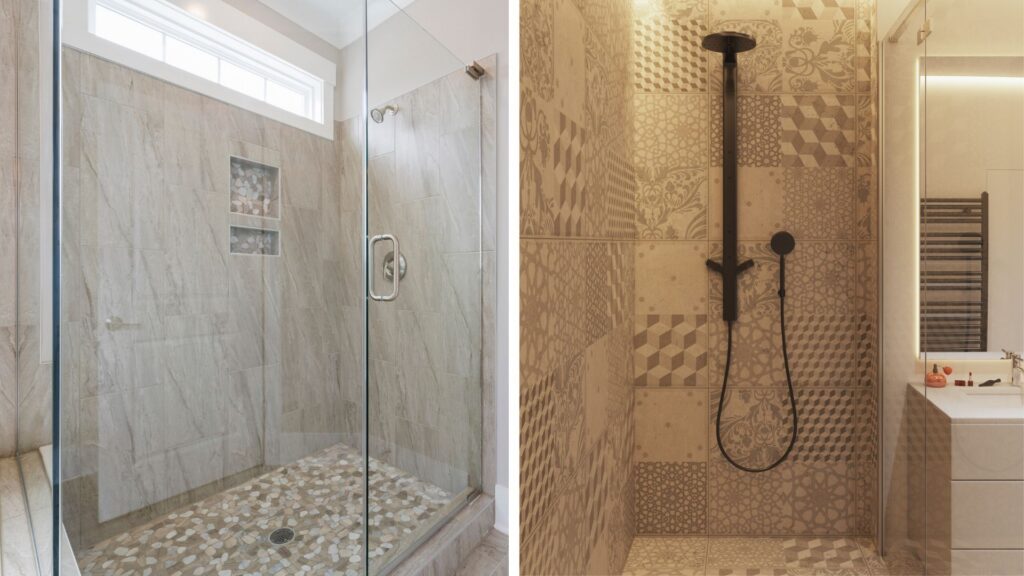
If you have ever spent a Saturday afternoon on your knees scrubbing grout lines with a toothbrush, you already know the frustration. Tile showers look beautiful on day one, but maintaining them is a different story. Grout absorbs moisture, grows mold, and eventually cracks – no matter how careful you are.
Shower wall panels have been quietly changing the game for homeowners who want a clean, low-maintenance bathroom without sacrificing style. They are not a compromise. In many ways, they are actually the smarter choice.
What Are Shower Wall Panels, Exactly?
Shower wall panels are large, solid sheets designed to cover your shower walls from floor to ceiling – sometimes extending to the ceiling itself.
They come in a wide variety of materials, including acrylic, PVC, SPC (stone plastic composite), and composite materials that mimic the look of marble, wood, or tile.
Unlike traditional ceramic or porcelain tiles, these panels are installed with minimal seams and zero grout lines. That single difference eliminates the biggest headache in most bathrooms: grout maintenance.
The Grout Problem Nobody Talks About Enough
Grout is porous by nature. Even when sealed properly, it absorbs water over time. In a shower environment where steam, heat, and moisture are constant, grout becomes a breeding ground for mold and mildew.
This is not just a cleaning issue. Deteriorating grout allows water to seep behind your tile, leading to wall damage, structural problems, and costly repairs. Many homeowners discover this during a bathroom renovation when contractors pull back tiles and find rotted drywall or subfloor underneath.
Waterproofing is where shower wall panels have a clear and measurable advantage. Because panels span large areas with sealed edges rather than dozens of individual tiles with grout joints, water has far fewer places to sneak in.
Shower Wall Panels vs. Tiles: A Practical Comparison
Installation Time and Labor Cost
- Traditional tile work is time-intensive. A tiler has to set each piece individually, allow mortar to cure, apply grout, seal it, and clean everything up. Depending on the design – say, a herringbone pattern or stacked stone effect – that process can stretch across several days.
- Wall panels, by contrast, typically install in a fraction of the time. Many systems are designed for straightforward fitting over existing surfaces, which also reduces demolition costs. For homeowners working with a budget, that labor savings alone can make a significant difference.
Maintenance Over Time
This is where wall panels truly pull ahead.
A tiled shower requires periodic resealing of grout, spot cleaning for mildew, and eventual re-grouting as the joints age and crack. That ongoing maintenance adds up in both time and money.
A wall panel system is essentially wipe-down clean. A damp cloth handles most messes, and there are no grout lines to trap soap scum or discolor over time.
Design Flexibility
One common concern is that panels look plain or corporate. That was fair criticism a decade ago. Today, it simply is not true.
Modern wall panels are available in finishes that convincingly replicate the look of marble, concrete, glass, and even wood. Companies like us have helped push interior design standards for panels to match or exceed what traditional tiles offer. You can achieve the look of book-matched marble or a sleek minimalism aesthetic without a single grout line in sight.
Panels also allow for creative integration of features like a built-in niche (a recessed shelf in the wall for shampoo and soap) without the complex waterproofing challenges that come with tiling around a niche in traditional construction.
Durability and Warranty
Quality matters here. Not all wall panels are equal. Cheap PVC panels can warp, discolor, or feel hollow and flimsy. SPC panels, on the other hand, are dense, rigid, and built for long-term performance in wet environments.
What About the Cost?
Let us be honest: the upfront cost of quality wall panels can be comparable to or even slightly higher than basic tile. However, cost is not just about the purchase price.
When you factor in the labor savings during installation, the elimination of grout sealing products, and the reduction in long-term maintenance and repair costs, wall panels often come out ahead over a five to ten year window.
For a bathroom renovation where the goal is lasting value, that lifecycle view of cost matters more than the sticker price.
If you are working with a tight budget and considering a do-it-yourself approach, some wall panel systems are genuinely more forgiving to install than tile.
That said, for the best waterproofing results and a finish that holds up over years, professional installation is still the recommended route.
Are There Situations Where Tile Still Makes Sense?
Tile is not going anywhere, and there are valid reasons to choose it.
If you have a very specific design vision – a custom mosaic, a particular herringbone pattern in a rare glass tile, or a floor design that requires intricate cuts – tile gives you a level of artisan customization that panels cannot fully replicate.
Tile is also extremely durable underfoot on the shower floor, where panels are less commonly used.
Many designers use a hybrid approach: wall panels on the shower walls for waterproofing and easy cleaning, combined with a tile floor for its grip and durability.
For the walls, though – especially in a busy household where mold and mildew are ongoing battles – panels are the more practical solution in most situations.
What Dallas Homeowners Should Know
Dallas weather brings heat, humidity, and dramatic temperature swings that can stress building materials over time. In a bathroom, where moisture is already a constant factor, choosing materials with solid waterproofing credentials is especially important.
A bathroom remodel is one of the highest-return investments you can make in a home. Getting the material choice right from the start means fewer repairs, lower maintenance costs, and a bathroom that looks as good in year ten as it did on day one.
At Build Strong Construction and Remodeling, the focus is always on helping homeowners make informed decisions – not just selling a service. Whether you are leaning toward panels, tile, or a combination of both, the goal is a result that fits your lifestyle, your design preferences, and your budget.
Frequently Asked Questions
Can wall panels be installed over existing tile?
In many cases, yes. If the existing tile is in good condition and firmly adhered, panels can be installed directly over them. This is one reason why wall panel renovations often cost less and finish faster than full tile removal and replacement.
Do wall panels look cheap compared to tile?
Quality panels from reputable manufacturers do not look cheap. The technology behind surface printing and texture replication has advanced significantly. Many visitors to a renovated bathroom would not know the difference without touching the wall.
Are wall panels safe for steam showers?
It depends on the material. Not all panels are rated for high-heat steam environments. SPC panels and purpose-built acrylic systems generally handle steam well, but always confirm the product specifications before installation.
How long do shower wall panels last?
With proper installation and basic care, quality wall panels can last 20 years or more. Premium systems often come with warranties ranging from 10 to lifetime coverage, which is a strong indicator of manufacturer confidence.
Why Shower Wall Panels Often Win
Shower wall panels offer a practical, stylish, and durable alternative to traditional tile – especially for homeowners who are tired of fighting grout. They simplify cleaning, improve waterproofing, and deliver real long-term value. If you are planning a bathroom upgrade, explore what a full bathroom remodeling service can do for your space.
Call Build Strong at +1-972-802-3107 to talk through your options with a team that knows how to get it right the first time.