
Shower vs Tub: Which One Makes More Sense for Your Home?
You are standing in your bathroom, staring at a space that just is not working for you anymore. Maybe the bathtub feels like a waste of room. Maybe the shower is cramped and frustrating.
Either way, you are trying to figure out whether a shower or bathtub setup is right for your next renovation, and you want a real answer, not a generic one.
This guide breaks it down honestly, covering the pros and cons of both options, what they mean for your home’s resale value, how lifestyle factors into the decision, and what Dallas homeowners are actually choosing right now.
Understanding the Core Shower vs Tub Debate
The shower or tub question is not just about personal preference. It touches on plumbing, tile, space, aesthetics, cost, and even real estate considerations. Whether you are doing a full bathroom remodel or a targeted upgrade, the choice between a shower and a bathtub affects how functional and marketable your home will be for years to come.
There is no single best choice for everyone. The best option for your bathroom depends on your lifestyle, your household, and what you want out of the space.
Shower Pros and Cons: What You Need to Know
Why a Shower Works for Most People
A shower is often the go-to for busy households where time and efficiency matter. A standard 10-minute shower uses significantly less water per session compared to filling a standard bathtub, which holds around 35 to 50 gallons. That makes a shower a smarter pick for water conservation and energy savings.
A walk-in shower also opens up design possibilities that a tub just cannot match. Think curbless shower layouts, frameless glass shower enclosures, rainfall showerheads, built-in niches, and custom tile work. These shower designs can elevate the entire feel of a bathroom, making even smaller bathrooms feel larger and more open.
Modern walk-in showers offer accessibility benefits, too. Adding a grab bar and a shower with a bench creates a safer bathing space for older adults or anyone dealing with mobility challenges.
A glass shower enclosure with no curb eliminates trip hazards and makes the bathroom feel more open.
What a Shower Cannot Do
The bathing experience of a shower is functional, but it is not the same as soaking in a deep tub. If you rely on bath time to decompress, manage muscle pain, or simply enjoy a long soak, a shower instead of a tub might feel like a step down in comfort.
A shower may also present maintenance challenges. Grout lines in a tiled walk-in shower require regular cleaning. The shower door or shower pan can collect buildup over time. A prefabricated shower unit is easier to maintain, but it lacks the custom appeal of a tiled design.
Bathtub Pros and Cons: Is It Worth Keeping?
Where a Bathtub Shines
A bathtub provides something a shower cannot: a fully immersive soak. Warm water at the right temperature can ease sore muscles, reduce stress, and help you unwind in ways that even the best shower cannot replicate. If you deal with chronic pain or tension, a deep tub or soaking tub can make a real difference in your daily life.
A bathtub is also the clear winner when there is a child in the household. Bathing a young child in a shower is awkward and impractical. A tub in your home with young kids is not a luxury; it is a necessity. Many parents would not consider removing the tub from a family bathroom for exactly this reason.
A standard bathtub with a shower combination is also the most space-efficient layout when you need both functions but do not have room for a separate shower and a tub side by side. A tub with a shower curtain or a tub with a shower door gives you a bath and shower setup in a single footprint.
Where a Bathtub Falls Short
The bathtub is one fixture that tends to sit unused in many homes. If no one in your household is actually using the tub in the bathroom for soaking, it is consuming square footage that could be used far more effectively.
A standard tub also uses significantly more water than a shower, raising utility costs over time. A tub wall surround, while functional, can feel dated in bathrooms where the rest of the design has been updated. And unlike a walk-in shower, a tub in your bathroom does not offer accessibility benefits unless it is a specialized walk-in tub.
Resale Value: What Real Estate Data Actually Shows
Here is where it gets interesting. Real estate professionals and data consistently show that keeping at least one tub in the home protects resale value. Buyers with children, or buyers who anticipate having children, often filter out homes without a bathtub in the home. Removing the only tub and installing a shower instead can reduce your home’s appeal to a significant portion of buyers.
That said, a walk-in shower and a bathtub in the master bathroom are considered premium features. Deciding between a walk-in shower and a standard tub in the primary bathroom? If space allows, keeping one tub in the house while upgrading the master to a walk-in shower is often the smartest investment you can make from a resale standpoint.
Homes without a bathtub at all can face more buyer resistance. Choosing between a walk-in shower and keeping at least one bathtub in the home often comes down to how many bathrooms your home has. If there is one bathtub in the home, try to keep it. If there are two or more bathrooms, replacing a tub in one of them with a walk-in shower can actually boost appeal.
Walk-In Shower vs Bathtub: Which Fits Your Lifestyle?
Choosing Based on Who Lives in Your Home
A tub and shower decision is always personal. If your household includes young children or a family member with joint pain, a bathtub and a walk-in shower with accessibility features may both be necessary. A walk-in shower vs bathtub debate gets easier when you map the decision to actual daily use.
If you live alone or with a partner and neither of you takes baths, a bathtub may be consuming space and water for no reason. In that case, converting the bathtub to a shower could transform your bathroom into a more functional, visually open room.
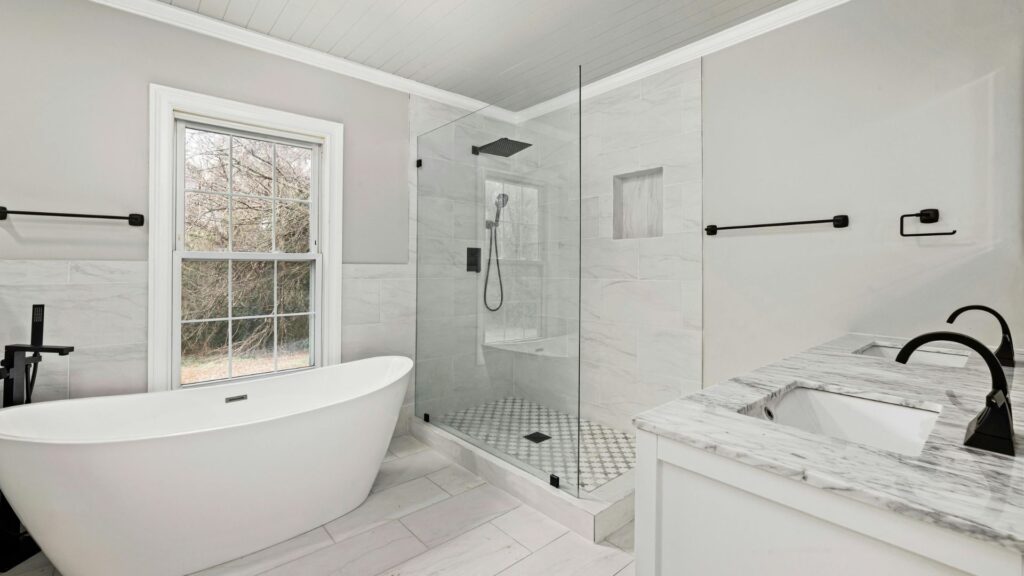
For larger bathrooms, a freestanding bathtub paired with a separate shower is the best of both worlds. A freestanding tub offers visual drama and a spa-like feel, while a walk-in shower handles everyday bathing. This layout works beautifully in primary bathrooms where space is not a constraint.
Choosing Based on Space
In a small bathroom, converting the tub into a walk-in shower often makes the most sense.
Removing the tub and installing a curbless walk-in shower can make the room feel dramatically larger. Small bathrooms with a standard shower enclosure or prefabricated unit gain usable space and easier movement.
In a larger bathroom, you have real options. A bath and a shower as separate fixtures, a freestanding bathtub alongside a glass shower with custom tile, or a walk in shower with a bench and rainfall head can all work depending on your design goals.
Cost to Install: Shower, Tub, or Both?
Understanding the cost to install a shower versus keeping or upgrading a tub helps you plan realistically.
A basic prefabricated shower unit starts at a lower price point, while a custom tiled walk-in shower with a glass shower door, rainfall head, and built-in niche can cost significantly more depending on materials and labor. A new shower installation in a bathroom remodel varies based on size, tile selection, plumbing changes, and whether a shower pan is being replaced or custom-built.
A standard bathtub replacement is generally more affordable than a custom shower build. However, a soaking tub or freestanding bathtub with upgraded plumbing and a tile surround can climb in price quickly.
Whether to install a shower, upgrade a tub, or do both comes down to your total bathroom renovation budget. A professional contractor can walk you through real numbers based on your specific bathroom layout and goals.
Planning A Full Renovation?
If you are planning a full renovation, exploring professional bathroom remodeling services gives you a clearer picture of what is possible within your budget. And if your project extends beyond the bathroom, an experienced interior remodeling contractor can coordinate the full scope of your renovation.
For homeowners considering a larger renovation scope, full-house remodeling services offer a comprehensive approach to updating every room. If your project includes new bathroom flooring, working with trusted flooring contractors in Irving, TX ensures your tile, vinyl, or stone is installed with precision.
Bath or Shower: Making the Final Call
Questions Worth Asking Before You Decide
Before committing to a tub or shower decision, ask yourself a few honest questions:
- Does anyone in your household actually take baths regularly?
- Do you have children who need a bathtub for bath time?
- Is this the only bathroom in your home with a tub?
- How important is accessibility for your household now or in the future?
- Are you planning to sell the home within the next few years?
A tub might be the right call if you have young kids, want to protect resale value, or genuinely enjoy soaking. A shower and tub combination may work best if space is tight, but you want to preserve both options. A walk-in shower is the clear winner if your priority is accessibility, modern aesthetics, water efficiency, or maximizing space in a smaller bathroom.
A bathtub and a shower do not always have to be mutually exclusive. In bathrooms with enough room, a tub and a shower as separate fixtures create a bathroom that appeals to virtually every lifestyle and every future buyer.
Conclusion
The shower vs tub debate does not have a universal answer, but it does have the right answer for your specific home, household, and goals. Think honestly about how you actually use your bathroom, who lives in your home, and what you want for the future.
Whether you are replacing a tub with a walk-in shower or adding a freestanding bathtub to a bathroom without one, getting the layout right matters. Build Strong Construction and Remodeling helps Dallas homeowners make smart, lasting renovation decisions. Contact us at +1-972-802-3107 to get started.