
7 Common Signs of Subfloor Damage You Shouldn't Ignore
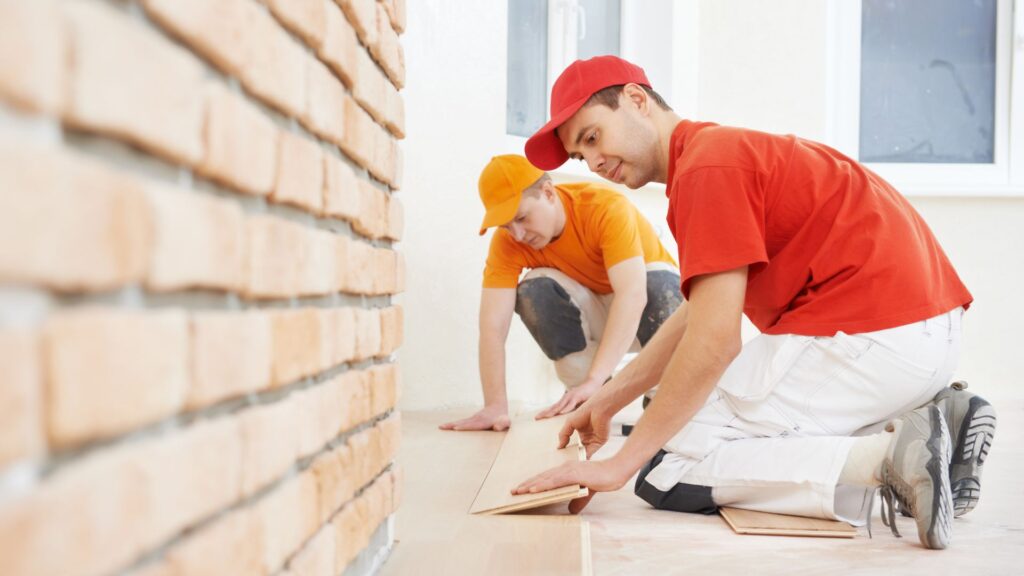
Your floors take a beating every single day. You walk on them, drop things on them, and rarely give them a second thought, until something feels off. But what happens underneath your floor covering can be far more serious than a surface scratch or scuff.
The subfloor is the structural layer that sits between your floor joists and the finished flooring you see and walk on. It’s typically made from plywood or oriented strand board, and when it gets compromised, whether by water, pests, or age, the problems can spread fast. Ignoring common signs of subfloor damage almost always leads to costly repairs down the line.
Here’s what to watch for before a small issue becomes a major headache.
Why Subfloor Damage Is More Serious Than It Looks
Most homeowners focus on what they can see: the tile, the carpet, the hardwood. But the subfloor underneath is what keeps everything stable and safe. When damage reaches this layer, it can threaten the structural integrity of the home itself.
Water and moisture are the biggest culprits, but termite activity, age, and poor installation can also cause significant damage. The tricky part is that subfloor issues often hide beneath your finished flooring for weeks or months before becoming obvious. Knowing the warning signs early is the best way to prevent costly repairs and protect your home.
Sign 1: Soft or Spongy Spots When You Walk
This is one of the clearest warning signs most homeowners notice first. If you’re walking across a room and certain spots feel unusually soft, spongy, or like they’re giving way slightly under your feet, your subfloor has likely absorbed moisture damage.
When water gets into plywood or oriented strand board over time, it causes the wood to weaken and break down from the inside. You may not see anything wrong with the surface, but the damage underneath can already be widespread. Press down with your foot in the area that feels soft. If the floor flexes or compresses, it’s time to assess the damage.
Sign 2: Squeaking or Creaking That Won’t Quit
Every old house has a few squeaks. That’s normal. But if you’re noticing new, persistent squeaking or creaking that seems to get worse over time, that’s a different story.
Squeaks often happen when the subfloor has shifted or separated from the floor joists beneath it. This can be caused by moisture swelling the wood and then drying out repeatedly, which loosens the fasteners holding everything together. A single squeak might be a minor fix, but widespread squeaking across a room often signals broader subfloor issues.
Sign 3: Warping, Buckling, or Uneven Floors
If your floor suddenly looks uneven, bowed, or wavy, that’s not just a cosmetic issue. Warping usually means the subfloor material has been exposed to water or excessive moisture, causing it to expand unevenly.
This is especially noticeable with hardwood flooring and laminate flooring, both of which can warp or buckle when moisture seeps up from below. You might notice it near a bathroom, under a kitchen sink, or in a basement area where humidity levels run high. Even tile floor surfaces can crack or lift when the subfloor beneath them shifts out of position. If you see this happening in your home, don’t wait.
Sign 4: Visible Mold Growth or Musty Odors
Mold loves dark, damp spaces, and there are few better environments than a wet subfloor with finished flooring on top. If you’re noticing a persistent musty smell in certain rooms, that could be a sign of water damage hiding below the surface.
Mold growth doesn’t always show itself right away. It can develop underneath carpet, behind baseboards, or along the edges of drywall near the floor before you ever see it. By the time indoor mold becomes visible, it often means the moisture has been sitting there for a while. A musty smell alone is enough reason to investigate further. Don’t assume it will go away on its own.
Sign 5: Water Stains or Discoloration on Your Floor
Water stains on the surface of your floor are one of the more obvious signs of water damage – but they’re also easy to dismiss as old marks or surface stains. The problem is that discoloration often points to hidden water that has already reached the subfloor.
This is especially common near plumbing fixtures like sinks, toilets, and dishwashers, as well as in rooms near exterior walls where a roof leak or rain intrusion can allow water to seep down through the ceiling and walls. If you notice water damage to your subfloor through staining or soft spots near these areas, a professional water damage restoration assessment is worth considering before replacing the new flooring on top.
Sign 6: Gaps Between the Floor and Baseboards
Here’s one that homeowners often overlook. If you start to notice gaps forming between your floor and the baseboards along the wall, the subfloor may be shifting or deteriorating underneath.
As moisture damage causes the subfloor to expand or contract, it can pull the finished flooring away from the wall. This kind of movement can cause damage to the flooring above and signals that the structural integrity of the floor system is being compromised. It’s not always dramatic, sometimes it’s just a thin, consistent gap that wasn’t there before. But it’s worth paying attention to.
Sign 7: Tile Cracks or Grout That Keeps Breaking
Tile is rigid, and it needs a stable, solid surface beneath it to stay intact. If your tile is cracking, especially in multiple places, or if your grout keeps cracking and crumbling no matter how many times you repair it, the subfloor beneath is likely the real problem.
A concrete subfloor that has shifted, or a wood subfloor that has softened due to moisture, won’t provide the solid base that tile requires. Pests like termites can also hollow out the wood beneath a tile installation, creating voids that cause the tile to flex and break. Termite damage, in particular, can cause damage in your home that’s invisible from the surface until the floor literally starts to fall apart.
What Causes Subfloor Damage in the First Place?
Understanding the common causes of subfloor damage can help you prevent it from happening again after repairs are made.
The most common subfloor issues trace back to plumbing leaks; a slow drip under a sink or behind a toilet can allow water to seep into the subfloor for months undetected. Roof leaks are another major factor, especially during heavy rain seasons in Dallas. Flooding, poor ventilation in crawl spaces, and even improper cleaning methods that leave standing water on a wood floor can all contribute over time.
One overlooked factor is poor bathroom waterproofing. If the area around a tub or shower isn’t sealed properly, water damage under your floor can accumulate slowly until it becomes a serious structural issue. That’s why investing in experienced kitchen remodelers or a qualified contractor who prioritizes proper waterproofing and moisture barriers can save you from subfloor headaches later.
Should You Repair or Replace Your Subfloor?
That depends entirely on the extent of the damage. In some cases, damaged sections can be cut out and replaced without disturbing the rest of the floor. In other situations, particularly where significant water damage or structural damage has spread across a large area, you may need to replace your subfloor entirely before installing new flooring above it.
Replacing a damaged subfloor is not a simple do-it-yourself project. It requires removing the existing floor covering, cutting out and replacing the damaged sections with new subfloor material, securing everything properly to the floor joists, and ensuring moisture issues are resolved before closing everything back up. If you’re dealing with water-damaged flooring on a large scale, hiring a professional is almost always the smarter path.
The cost to replace a subfloor varies based on the size of the area, the type of flooring being removed, and the extent of the damage, but catching it early always keeps costs lower.
Replacing a subfloor after it has caused damage to surrounding walls, joists, or a basement ceiling is far more expensive than addressing it at the first sign of water damage.
How to Prevent Water Damage to Your Subfloor
Prevention is simpler than repair. To prevent water damage and protect your subfloor, consider the following:
- Fix plumbing leaks promptly, even minor drips under sinks or around toilets
- Ensure proper ventilation in bathrooms, kitchens, and crawl spaces
- Use a dehumidifier in areas that tend to hold humidity
- Inspect your roof regularly, especially after heavy rain or storms
- Seal grout lines and tile edges in wet areas annually
- Address any water intrusion near baseboards or walls immediately
If you’re planning a kitchen or bathroom upgrade, working with experienced kitchen remodelers or a qualified contractor who prioritizes proper waterproofing and moisture barriers can save you from subfloor headaches later.
When to Call a Professional
If you’re noticing more than one of these signs of floor problems, or if any single sign is severe, it’s time to bring in someone who can properly assess the damage. A trusted interior remodeling contractor in Irving can identify how far the damage has spread, whether the floor joists are compromised, and whether you need a targeted repair or a more involved replacement.
For larger-scale work that extends beyond just the floors, full-house remodel services can address subfloor damage as part of a broader renovation plan. And for homeowners dealing with floor-related damage, working with professional flooring contractors ensures the new subfloor and finished flooring are installed correctly the first time.
Conclusion
Subfloor damage rarely announces itself loudly. It shows up in soft spots, squeaks, warped floors, and musty smells that are easy to dismiss. But the longer you wait, the more it costs to fix. If you’ve noticed any of the signs covered here, now is the time to act.
Build Strong Construction and Remodeling serves homeowners across Dallas and surrounding counties with honest assessments and skilled craftsmanship. Reach out today at +1-972-802-3107 or visit buildstronggroupremodeling.com to get started.