
Smart Uneven Flooring Solutions That Actually Fix the Problem
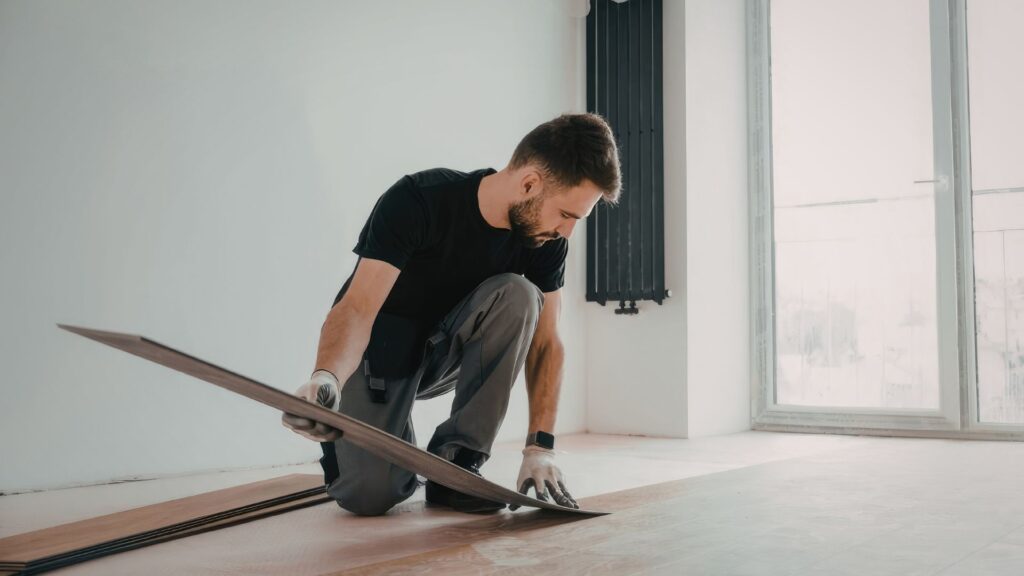
Walking across a floor that dips, creaks, or tilts underfoot is not just annoying; it can signal something deeper beneath the surface. Whether you are dealing with an old house that has settled over the decades or a newer space with poor installation, an uneven floor is a problem worth taking seriously.
The good news? There are real, lasting solutions available, and knowing which one fits your situation can save you time, money, and a lot of frustration.
Why Floors Become Uneven in the First Place
Before you fix anything, it helps to understand what caused the irregularity. A floor does not develop a slope or bump without a reason.
In older homes, wood joists can sag or shift due to age, moisture damage, or a settling foundation. A structural issue in the subfloor or slab below can also create visible unevenness across any type of flooring, whether that is hardwood, laminate, vinyl, or tile.
In a basement or ground-level space, drainage problems and moisture intrusion can warp the substrate beneath your feet. Even something as simple as poor preparation during installation can lead to a wobbly, unstable surface years later.
Matching the Solution to the Floor Type
Not every fix works for every floor. The right correction depends heavily on the type of flooring you have and the severity of the unevenness.
Hardwood and Wood Flooring
For hardwood floors, sanding down high spots and using a floor leveling compound to fill dips is a common approach. If the unevenness comes from a damaged joist below, a carpenter may need to sister the joist or re-level the subfloor entirely before any new flooring goes down.
Old homes with sloping floors and original wood flooring often have more charm than people realize. A skilled contractor can assess whether the slope is cosmetic or structural before recommending a full replacement.
Laminate, Vinyl, and Carpet
Laminate and vinyl are both rigid enough to crack or separate over an uneven subfloor. For these materials, a self-leveling compound is typically applied to the subfloor surface before installation begins. This single step of proper preparation can dramatically improve the longevity of your new flooring.
A carpet with the right pad thickness can mask minor surface imperfections, but it will not fix a genuine slope or dip. A rubber underlayment or felt pad can add a layer of stability and cushioning, but major unevenness still needs to be addressed underneath first.
Tile and Concrete Subfloors
Tile is unforgiving on an uneven surface. Cement board or a self-leveling application is often required before tile installation. On a concrete slab, grinding down high spots or applying a skim coat of leveling compound can create a stable substrate for tile or vinyl composition tile.
Waterproof membrane layers are especially important in kitchen and bathroom spaces where moisture is a concern.
Quick Fixes That Actually Help
Sometimes a full renovation is not in the budget right away. There are cost-effective ways to manage unevenness while you plan a longer-term fix.
- Furniture adjustments – A wobbly table or chair can be stabilized with adjustable felt pad legs or a rubber furniture glide. This is not a floor fix, but it prevents wobble and scratch damage in the meantime.
- Area rugs with a thick pad – They will not correct an uneven kitchen floor, but they reduce the feeling of unevenness in daily use.
- Furniture placement – Strategic furniture placement can visually minimize a slope in a room, buying time before a full floor correction.
These are temporary workarounds, not permanent solutions. If the unevenness is affecting furniture stability, causing tripping hazards, or getting worse, that is your signal to call in a professional.
When to Call a Professional
A DIY approach works for minor surface irregularities, but anything involving the subfloor (including moisture damage) or a structural sag needs expert eyes. A proper inspection will tell you whether you are dealing with a surface-level issue or something tied to the foundation of the home.
If you are in the Dallas area, professional flooring contractors in Irving, TX, can assess the problem and recommend the right solution, whether that is leveling, hardware repair, or a full floor replacement. For broader renovation needs, a trusted interior remodeling contractor in Irving can coordinate flooring work as part of a larger project. Those planning a full update might also explore complete full-house remodel services in Irving to handle everything at once.
Conclusion
Uneven floors are frustrating, but they are fixable when you match the right solution to the actual problem. From self-leveling compound to subfloor correction, the approach matters as much as the effort. Do not let an ugly dip or slope sit unaddressed until it becomes a larger structural issue.
Reach out to the team at Build Strong Group Remodeling services in Irving, TX, to get an honest assessment and a plan that actually works for your home.