
Sanded Grout Vs Unsanded Grout: Which One Should You Use For Your Tile Project?
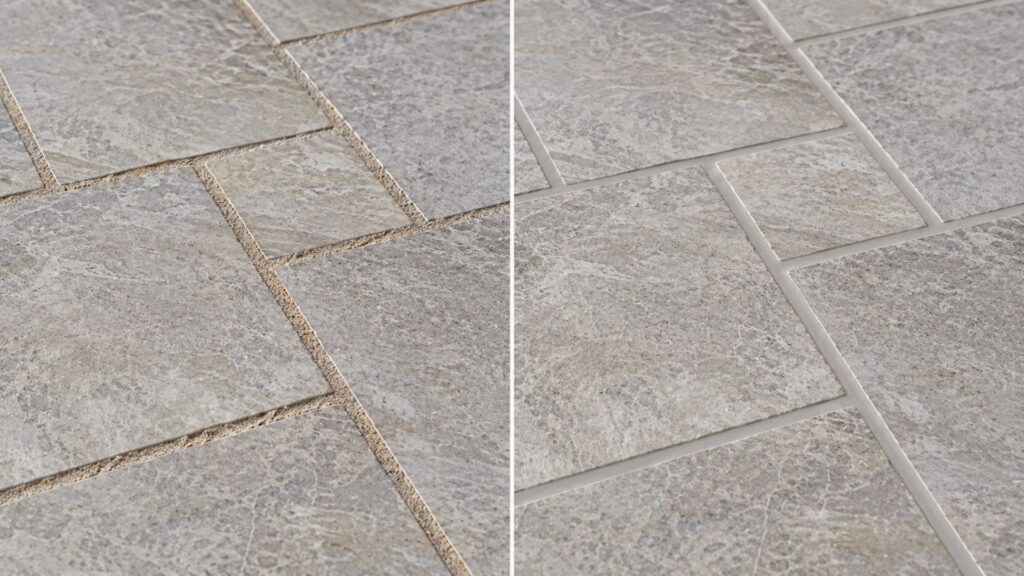
Choosing the right grout might seem like a small detail, but it can make or break your tile project. Get it wrong and you could end up with cracked joints, scratched surfaces, or a finish that just does not hold up over time.
If you have ever stood in a hardware store staring at bags of grout wondering what the difference between sanded and unsanded actually is, you are not alone. This guide breaks it down in plain language so you can make the right call before you lay a single tile.
What Is the Difference Between Sanded and Unsanded Grout?
The core difference between sanded and unsanded grout comes down to one thing: texture.
Sanded grout contains fine aggregate sand material mixed into a cement-based grout formula.
Unsanded grout, sometimes called non-sanded grout, is a smoother mixture without that sand component.
Sanded grout is thicker than unsanded grout, which gives it more body and makes it a better filler for wider tile joints. Unsanded grout is thinner and smoother, which makes it ideal for tight, delicate applications.
Both types typically use Portland cement as a base, though you can also find epoxy-based unsanded grout for specialized tile applications.
When Should You Use Sanded Grout?
Sanded grout is best for tile projects where the grout line is wider than one-eighth of an inch.
The aggregate in sanded grout prevents the mixture from shrinking as it cures, which helps it stay locked in place over time. The strength and durability of sanded grout make it a go-to choice for floor tile, large tile installations, and outdoor spaces like a patio.
Sanded grout is recommended for ceramic tile floors, large grout joints, and any area that sees regular foot traffic or pressure. If you are using sanded grout on a floor, the added volume and body help it resist cracking and breaking down under load.
High-quality sanded grout also holds up well in kitchens, where the floor and backsplash tile take a beating from spills, heat, and daily use. The durability of sanded grout in these environments is tough to beat.
Here is where sanded grout is best suited:
- Floor tile with grout lines wider than one-eighth of an inch
- Large tile joints and wider grout lines in kitchens or utility areas
- Outdoor tile on patios and hardscape surfaces
- Ceramic tile with larger tile joints
When Should You Use Unsanded Grout?
Unsanded grout is best for tile projects with thin grout lines – specifically grout lines under one-eighth of an inch. Because unsanded grout dries harder and sticks more aggressively to vertical tile applications, it works especially well on shower walls and other vertical tile applications.
Unsanded grout is usually the preferred grout type for delicate tile material like marble, glass tile, and polished stone. Sanded grout can damage delicate tile surfaces because the aggregate acts almost like sandpaper, scratching and dulling a polished tile surface.
Use unsanded grout in a shower tile installation and you will notice it does not sag or slide the way sanded grouts might on a vertical tile surface. That adhesion is what makes it so reliable on shower walls.
Unsanded grout is essential in these situations:
- Grout lines under one-eighth of an inch
- Glass tile or polished marble tile
- Vertical tile surfaces like shower walls
- Any tile surface where scratching is a concern
Unsanded grout provides a better finish on sensitive surfaces, and unsanded grout is used more often in bathroom renovation projects for that reason.
Sanded Grout Vs Unsanded Grout: A Side-by-Side Look
Understanding sanded grout vs unsanded grout gets easier when you compare them directly.
- Sanded grout uses a higher ratio of aggregate material to cement, making sanded grout thicker and more rigid once the grout cures. It is more durable than unsanded grout and better suited for high-pressure, high-traffic areas.
- Unsanded grout lacks the gritty texture that can scratch delicate tile surfaces. It is smoother, easier to work with than sanded grout in tight spaces, and bonds more strongly to vertical tile surfaces.
The traditional grout used for most floor tile jobs in a kitchen or bathroom is sanded, while unsanded grout is ideal for shower walls, marble tile, and narrow tile joints.
One thing to keep in mind: grout should be sealed regardless of which type you choose. Both sanded and unsanded grout are porous once dry, and sealing protects the grout and the surrounding tile from moisture and staining.
How to Apply Grout Correctly
No matter which grout you choose, the application process follows similar steps. You mix the grout to a smooth, workable consistency, then spread it across the tile surface using a grout float. Work it diagonally into the tile joints so the mixture fills completely without air pockets.
Once the grout dries to a haze, wipe the tile surface clean with a damp sponge. Avoid using too much water, as this can weaken the cement-based mixture as it cures.
Whether to use sanded or unsanded grout will shape how easy or difficult the application feels.
Consider the tile material, the grout line width, and the surface orientation before you start, and use sanded or unsanded grout based on those factors – not just what is on sale.
Choosing between sanded and unsanded grout does not have to be complicated. Use the right technique and the right tools with any grout type, and the results will speak for themselves.
Conclusion
Choosing between sanded and unsanded grout does not have to be complicated. Sanded grout is ideal for floors, wide joints, and high-traffic areas, while unsanded grout is best for narrow grout lines, delicate tile surfaces, and shower walls. The right grout choice protects your tile investment and ensures a finish that lasts.
If you are planning a tile project in Dallas and want it done right the first time, the team at Build Strong Construction and Remodeling is ready to help. Call us at +1-972-802-3107 or visit us to get started.