How Often Should You Replace Your Roof? Know the Signs Before It Leaks
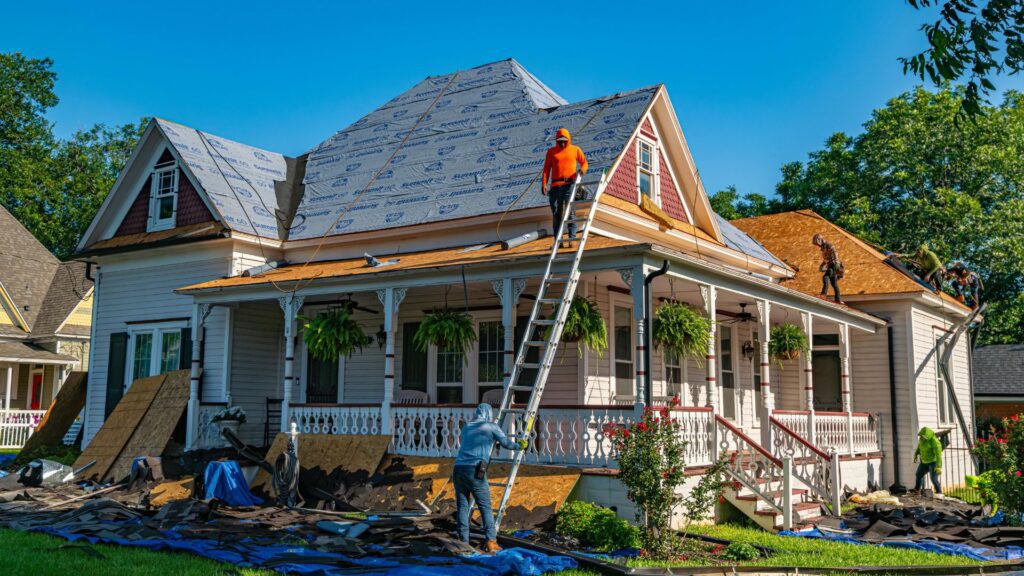
If you’ve ever asked yourself, “How often should you replace your roof?” you’re not alone. It’s a common concern for homeowners, especially if your roof is starting to show some wear or you’re dealing with unpredictable Dallas, Texas, weather. The short answer? It depends.
Let’s take a closer look at the factors that influence the life of your roof, how to spot when your roof needs to be replaced, and what you can do to protect your home long-term.
How Long Does a Roof Last?
The lifespan of a roof depends heavily on the type of roofing material, installation quality, and how well it’s been maintained over the years.
Average Roof Lifespan by Material
Here’s a look at how long some of the most common roofing materials typically last in Dallas:
Roofing Material | Average Lifespan
|
|---|---|
Asphalt Shingle Roof | 15 – 30 years |
Architectural Shingles | 25 – 30 years |
Metal Roofs (Steel/Aluminum) | 40 – 70 years |
Slate Roof | 75 – 100 years |
Tile Roofs (Clay Tiles) | 50+ years |
Wood Shingles/Shakes | 20 – 40 years |
Built-up Bitumen Roof | 20 – 30 years |
Your asphalt shingle roof might not last as long during constant exposure to intense sun, wind, hail, and rain – all very real concerns in Dallas.
Factors That Affect Roof Longevity
- Installation quality: A properly installed roof will last significantly longer than one that isn’t.
- Type of roofing material: Some last decades longer than others.
- Maintenance: Regular roof inspection and cleaning can extend life.
- Weather exposure: Dallas summers are brutal. UV rays, hail, and wind can all speed up deterioration.
Your roof can last longer with proper care, but eventually, every roof needs replacing.
Signs Your Roof Needs to Be Replaced
You don’t want to wait until water is dripping into your attic before acting. Instead, learn to identify the early signs your roof needs attention.
Common Visual Clues
- Missing shingles: A few might be a repair job. But many missing shingles generally mean your roof is near the end.
- Damaged shingles: Look for curling, blistering, or cracked shingles.
- Granules in your gutter: If roof granules are showing up in your rain gutter, shingles are deteriorating.
- Moss or mold: Excessive moss can cause rot beneath roof shingles.
- Flashing failures: Damaged or missing flashing around your chimney or vents can lead to leaks.
- Sagging roof deck: A sagging roof deck often signals long-term water damage or rot in the structure underneath.
- Signs of water damage: Stains on ceilings or walls, and mold or mildew in your attic, often point to a leaking roof.
Interior Red Flags
- Water damage in the attic: Discoloration, mildew smell, or damp insulation.
- Daylight through attic boards: If sunlight peeks through, so can rainwater.
- Peeling paint or warped walls: These may indicate trapped moisture from leaks.
If you’re seeing several of these signs of damage, it’s time to replace your roof.
How Often Should You Replace Your Roof?
There’s no one-size-fits-all answer to how often you should replace a roof. It comes down to materials, age, and condition.
What the Experts Typically Say
- Asphalt shingles: Need to be replaced about every 20-30 years.
- Architectural shingles: Lasting longer than flat 3-tab options, they should be replaced every 25-30 years.
- Metal roofs: Often last up to 70 years, depending on seam quality.
- Slate and clay tiles: Can last 50-100 years with regular maintenance.
- Wood roofing: Shakes or shingles need replacing in 20-40 years, depending on Dallas weather conditions.
If your roof is within these age ranges and is showing visible signs of wear, it might be time for a replacement.
When Does a Roof Need Replacing?
Your roof should be replaced when:
- It’s reached the end of its expected lifespan
- It has widespread roof damage (beyond just a few shingles)
- Multiple repairs haven’t stopped leaks
- Roof inspection reports suggest structural damage
- You spot visible signs of deterioration or serious wear and tear
Waiting too long can risk mold, compromised insulation, and even structural damage to your home.
Don’t Wait for a Leak
Many Dallas homeowners wait until there’s a major leak. But by that time, interior insulation, wood framing, or even your drywall could be damaged.
Here’s why you shouldn’t wait:
- Leaks often go undetected until serious water damage happens.
- Rotten decking or mold growth can require a costlier overhaul.
- Insurance may not cover pre-existing or preventable damage from a neglected roof.
- An old roof can reduce home insulation efficiency, increasing energy costs.
- Home insurance policies often refuse to renew if the roof is found to be outdated after inspection.
Being proactive helps you avoid money loss and protect your home.
Replace the Entire Roof or Just a Section?
Sometimes, a small patch will suffice. Other times, it’s smarter to replace the entire roof, especially if repairs are becoming frequent.
A Full Roof Replacement Might Be Needed If:
- Your roof is nearing replacement age
- You see multiple problem spots
- Patching won’t match your old roof in color or material
- Repair costs are stacking up and approaching replacement costs
Even the strongest domestic roof construction won’t last forever. Look at the big picture when deciding between patchwork and replacement.
The Importance of a Professional Roof Inspection
Unsure whether your roof is still in good condition? A professional inspection helps make the call easier. A licensed roofer will:
- Look for subtle signs of damage before water ever enters the attic
- Check flashing (weatherproofing), underlayment, and roof deck condition
- Evaluate the integrity of your roof system
- Provide a report to aid with insurance claims or warranty coverage
It’s wise to schedule an inspection:
- After a major storm (hail, wind, or heavy rain)
- If your roof has reached 15+ years of age
- Before listing your home for sale
- If you notice signs of wear and tear
Professional roofing services like Build Strong’s roofing experts in Dallas can walk you through options, costs, and next steps, making the process far less overwhelming.
Roof Longevity: How to Extend the Life of Your Roof
If you’re not quite ready to replace your roof, here are a few maintenance tips to help it last as long as possible:
- Clear the rain gutters regularly to prevent water backup on your roof deck.
- Trim nearby trees so branches don’t cause physical damage.
- Remove moss and debris that traps moisture and causes rot.
- Check flashing and re-seal if needed.
- Stay on top of regular maintenance by scheduling an inspection every few years.
- Watch the attic for condensation or mold, as this may signal roofing or insulation issues.
Even a tough material like metal won’t hold up without proper care.
Choosing the Right Roofing Material to Protect Your Home
If you do need to replace your roof, it’s a great time to think critically about the best type of roofing material for Dallas homes.
Compare Different Roofing Materials:
- Asphalt shingle: Budget-friendly and effective, but shorter life.
- Architectural shingles: Thicker and more durable with enhanced appearance.
- Metal (steel): Seam metal roofing is extremely durable, energy-efficient, and known for its durability.
- Clay tiles: Great in heat but heavy and expensive.
- Slate: Gorgeous and incredibly long-lasting, but very costly.
Pick a roofing material that balances durability, cost, and visual aesthetics. You’ll also want to think about weight, your home’s structure, building codes, and warranty options.
Not sure what’s best? Talk to a trusted roofing company that understands the unique climate needs of Dallas, Texas homes.
When It’s Time to Replace Your Roof, Trust the Signs
You don’t have to climb the roof yourself or wait for hail season to know when it’s time. Instead, monitor your roof from the inside out, and rely on a roofer’s trained eye when you’re unsure.
If you’re seeing visible signs of damage or your roof is showing its age, it may be time to replace it. Aging shingles, inconsistent flashing, sagging roof deck, or granules in the rain gutter are all clues.
Final Thoughts: Know When It’s Time to Replace Your Roof
Whether you’re dealing with an old roof or spotting early signs of deterioration, knowing when it’s time to replace your roof can save you money and stress.
Remember:
- Roofs typically last longer with good materials and maintenance.
- Watch for warning signs like damaged shingles, mold, or soft spots.
- Always consult a roofing professional before making a decision.
If your roof could use a checkup, don’t wait for a leaking roof to force your hand. Schedule a roof inspection today, ask questions, and plan ahead. Your roof is one of your home’s most important defenses—take care of it before the damage is done.
Stay informed, stay proactive, and when in doubt, let Build Strong’s professional roofing services guide you every step of the way.
Because when it comes to your roof, protecting your home starts from the top down.