
What Causes Roof Leaks? 7 Sneaky Issues Homeowners Often Miss
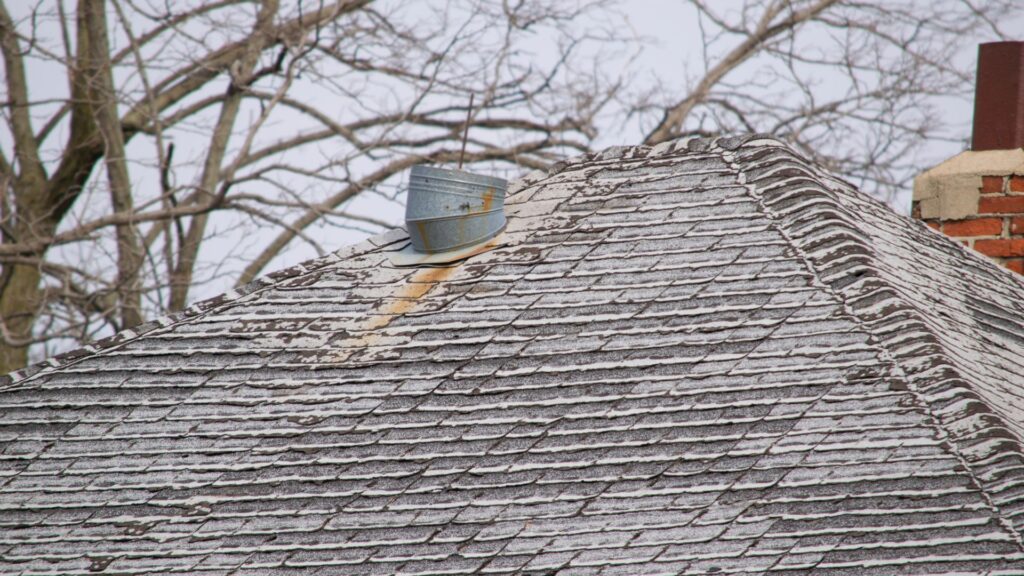
No one likes the drip-drip sound of water making its way inside your home. A leaking roof isn’t just a nuisance – it’s often a sign of deeper, hidden problems. For homeowners, finding out what causes roof leaks early can be the difference between simple roof repair and costly water damage to walls, ceilings, and insulation.
In this guide, we’ll walk you through the most common and sneaky problems that can lead to leaks, even if your roof looks fine from the outside. Whether you’re dealing with a flat roof, a pitched one covered in asphalt shingles, or even a commercial roof, understanding what causes leaks will help you maintain your roof properly and protect your home.
How Do Roof Leaks Start?
A roof leak happens when water penetrates the roofing system and makes its way into the structure of your home. Water might seep through damaged shingles, broken membranes, or clogged gutters – wherever there’s an opening or weakness.
Depending on materials, lifespan, and local weather conditions like rain, hail, or ice, your roof is under constant stress. Over time, temperature shifts lead to expansion and contraction of materials, especially at the edge of the roof, the roof valley, or around chimney bases and skylights.
But here’s the tricky part: the spot where water appears is rarely the source of the leak. Water often travels through internal structures before it drips into plain sight.
Let’s dig into the seven most overlooked sources of roof leaks.
1. Faulty or Damaged Roof Flashing
Roof flashing is metal or rubber trim placed around parts of your roof that intersect, like vents, chimneys, or where the siding meets the roofline.
If this flashing cracks, rusts, or becomes dislodged, it can let water through.
Signs of flashing issues:
- Loose or missing metal around chimneys or roof vents
- Water stains on ceilings near exterior walls
- Peeling sealant or underlayment wear
Flashing is a typical part of roof maintenance, which roofing professionals check during an inspection. It’s also one of the most vital areas to prevent leaks long-term.
2. Clogged Gutters Let Rainwater Pool
When gutters become clogged with debris, leaves, and natural rubber or granules from older roof shingles, water has nowhere to go. This causes ponding water on the lower parts of the roof, which can work its way underneath flashings and shingles.
Key gutter warning signs:
- Water spilling over the sides
- Sagging or separating from the fascia
- Mold or rot on the eaves
Regular cleaning can prevent leaks, protect your siding and walls, and extend the life of your roofing materials.
3. Poor Roof Vent Seals or Ventilation Problems
Every home has roof penetrations from things like vent pipes, HVAC systems, or skylights.
These entry points are vulnerable to leaks if not sealed properly.
Common vent-related problems:
- Cracked pipe boots (the rubber or metal parts sealing a vent)
- Warped or improperly fitted vents
- Poor ventilation in your attic, which increases heat and moisture buildup
Proper ventilation not only prevents leaks but also protects roof insulation, improves energy efficiency, and increases the lifespan of shingles.
4. Vulnerable Roof Valleys and Shingle Gaps
A roof valley is the line where two roof slopes meet. This part of the roof directs a large amount of water into a tight space. If the materials in the valley – metal flashing, ice and water barriers, or bitumen membranes – fail, leaks are likely.
Similar issues occur when shingles are missing, curled, or improperly driven nails allowing water under them.
What worsens valley leaks:
- Improperly installed valley flashing
- Lack of membrane protection
- Ice and snow collect during freeze-thaw cycles
If your valley or shingles are not secured, wet weather will cause leaks fast. A pro roofer can detect these issues before they turn serious.
5. Chimney Problems and Poor Masonry
The chimney isn’t just a stack of bricks. It’s filled with joints, mortar, and flashing that must be sealed and maintained. One crack in the chimney cap or brick gaps can allow saturation into your attic or upper floors.
How to tell if your chimney’s causing the leak:
- Moisture appears around the ceiling near the chimney
- Cracked or missing mortar
- Rusted or out-of-place flashings
Many chimney problems can be fixed with new flashing or masonry sealing. But if water has been entering for a long time, internal rot and mold may be widespread.
6. Skylight Leaks from Aging or Improper Installation
Skylights add beauty and natural light, but they’re infamous for leaks if improperly installed or aging out. The framing around a skylight must be prepared with flashing, sealant, and sturdy shingles. Even minor gaps let water in during Dallas’s rainy seasons.
Warning signs of skylight leaks:
- Cloudy skylight glass
- Pooling water or condensation at the corners
- Dripping around the skylight frame after a storm
Over time, flashing may shift, or seals may dry and crack due to heat or UV exposure. A roofing contractor can determine if it needs resealing or a full reinstall.
7. Improper Roof Installation or Low-Quality Repairs
Lastly, roof problems often stem from jobs rushed, misaligned, or poorly installed to begin with. Improperly driven nails, mismatched materials, or skipped steps in roof installation can create hidden problems that appear months – or even years – later.
This is especially true for:
- New homes with rushed closing deadlines
- DIY repairs without full weatherproofing
- Previous repairs that patched the symptom but not the cause
Whether you’ve got shingles lifting after a hurricane or noticed water stains on a dry day, an inspection from a qualified roofing contractor helps you find the source and fix the leak.
Additional Red Flags You Shouldn’t Ignore
Leaks may not always gush in – many seep slowly over time. Watch out for subtle clues pointing to roof leaks:
- Discolored ceiling spots or peeling paint
- Mold in attic corners
- Musty odor after rainstorms
- Inconsistent indoor temperatures due to damaged insulation
These signs may indicate deeper damage to the membrane, underlayment, or supports – not just a punctured shingle.
What About Flat and Commercial Roofs?
If you own a business or manage a warehouse, a commercial roof tends to trap water more than a pitched roof. These often use sheet membranes that can split over time, especially around roof penetrations, mechanical equipment, and vents.
You should watch for:
- Ponding water
- Rips, lifts, or bubbles in the roofing material
- Cracks near HVAC units or drain paths
Prompt roof repair of a flat roof is the best way to avoid costly interior losses or code violations.
How to Protect Your Roof Properly
Every homeowner should make seasonal roof maintenance a habit. Here’s what we recommend:
- Inspect your roof after major storms, hail, or strong winds.
- Clean clogged gutters each spring and fall.
- Call a roofer if you suspect leaks or see loose materials.
- Use qualified roofing professionals for installation and repair.
Quality installation matters. Using the right membrane, preparing the underlayment, checking for flashing issues – all of these details impact how well your roof will defend against Dallas’s weather swings.
Final Thoughts: Don’t Wait Until the Leak Worsens
A roof leak is never fun – but it’s not the end of the world either. Most water-related issues can be managed, prevented, or reversed with timely action. Once you know the trouble spots, you’ll start to recognize early warning signs.
Whether it’s a worn sealant around your skylight or improperly installed flashing, these problems don’t fix themselves. If you spot signs like mold, pooled water, or drips near walls, act quickly.
Need help? Trust local experts for professional roofing services who understand how Dallas’s climate affects your roof. Routine inspections and quality materials ensure your roof protects what matters most – your home.
So take action today. Check your roof, or schedule a professional inspection. It’s far easier to stop the leak now than replace an entire roof improperly cared for later.