Radiant Floor Heating: Pros and Cons Homeowners Should Know
If you’ve ever stepped onto a warm tile floor on a cold morning, you already understand the appeal of radiant floor heating. It feels different from any other heating system – almost like the floor itself is alive with warmth. But before you commit to ripping up your floors and installing one, there’s a lot your contractor might gloss over in the excitement of a new project.
This article breaks down the real radiant floor heating pros and cons, including the stuff that often gets left out of the sales pitch.
What Is Radiant Floor Heating, Exactly?
Radiant floor heating is a type of underfloor heating that warms a room through thermal radiation – heat that rises from the floor surface rather than being blown in from a vent. It’s a fundamentally different approach compared to forced-air systems, which push heated air through ducts in your walls and ceiling.
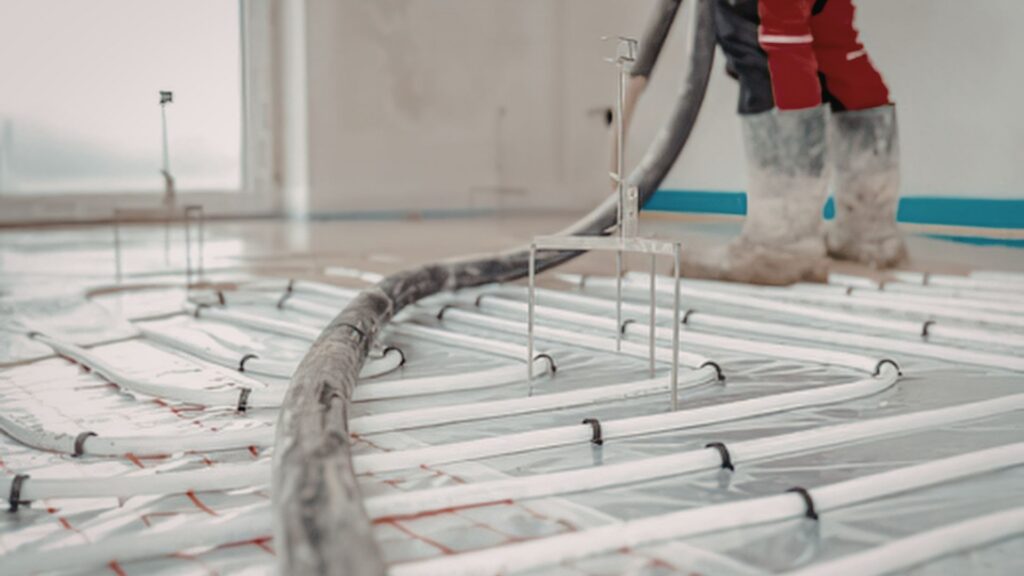
There are two main types. Electric heating uses a network of wires or heating mats installed beneath your flooring. The hydronic system circulates hot water through tubing connected to a boiler or water heating unit. Both deliver warmth from the ground up, but they work differently and carry different cost implications.
The Pros That Actually Matter
Comfort You Can Feel Immediately
The most honest pro on this list is the comfort factor. With radiant floor heating, the temperature across the floor stays consistent and even. There are no cold spots near windows or drafty corners caused by a struggling forced-air system.
Your feet are often the first thing to feel cold, and they’re the first thing this system addresses. That’s especially relevant in spaces like a bathroom or basement, where tile and concrete floors stay cold the longest.
Energy Efficiency Worth Talking About
Efficient energy use is one of the strongest arguments for radiant floor heating. Because heat transfer happens through radiation rather than air movement, very little energy is wasted. Forced-air systems lose a meaningful portion of their heat through duct leakage and temperature fluctuations.
A well-installed hydronic system connected to a modern boiler can significantly reduce your monthly operating cost. The energy savings over time can justify the upfront expense, particularly in homes with good building insulation.
A Quieter, Cleaner Way to Heat
No blower fan. No ductwork rattling. No air getting pushed around that stirs up dust or allergens. Radiant systems operate silently and keep indoor air quality noticeably better. For households dealing with allergies or respiratory sensitivities, this is a genuine quality-of-life improvement.
Programmable Thermostat Control
Modern radiant systems pair well with smart thermostats, allowing you to schedule heat by room, by time of day, or by occupancy. You’re not heating the whole house when only one room is in use. That level of control adds up to real savings over a full heating season.
The Cons Your Contractor Might Downplay
The Upfront Cost Is Significant
This is the part that doesn’t always get a full explanation upfront. Installing radiant floor heating – especially a hydronic system – is a major expense. You’re looking at costs that include removing and replacing existing flooring, installing the heating elements or tubing, and potentially upgrading your boiler or water heating setup.
Electric heating systems are less expensive to install but tend to have higher operating costs over time. Hydronic systems are the opposite – more expensive to install but cheaper to run long term. Neither option is cheap at the outset, and it’s important to understand that data before signing any contract.
Slow Response Time
Radiant systems heat up slowly. If you drop the temperature at night and then want a warm floor in the morning, you need to plan ahead with your thermostat settings. Forced-air systems can heat a room in minutes. Underfloor heating can take an hour or more to reach the desired temperature.
This isn’t a dealbreaker, but it does require a shift in how you manage your home’s temperature. It’s information worth having before you make the switch.
Not All Flooring Works Well With It
This is a detail that sometimes gets skipped. Tile is the ideal flooring choice for radiant systems because it conducts heat efficiently and holds temperature well. Tile and stone are the gold standard because they conduct heat efficiently and hold temperature well.
Wood flooring can work, but it requires careful selection. Engineered hardwood handles the temperature changes better than solid wood, which can warp or crack over time. Carpet insulates the floor, which works against the system by trapping heat beneath it rather than letting it radiate upward.
Installation Disrupts Your Space
Installing a radiant heating system typically means removing your existing flooring entirely. If you’re in the middle of a full house remodel or a bathroom renovation, the timing works in your favor. But retrofitting a radiant system into a finished space is a much more involved project.
Your electrician or HVAC contractor – and yes, this work touches both electrical and heating, ventilation, and air conditioning systems depending on the type – will need full access to the subfloor. Budget extra time and plan for displacement.
Warranty and Long-Term Responsibility
Ask about the warranty before anything else. Electric systems often carry a limited warranty on the heating elements, and if something fails beneath your new tile, the cost of diagnosis and repair can be high. Hydronic systems have fewer electrical components to fail, but a leak beneath your floor is a serious and expensive problem.
Reliable heating and air professionals often emphasize that maintenance planning matters just as much as the installation itself.
Is Radiant Floor Heating Right for Your Home in Dallas?
Dallas doesn’t deal with the extreme winters you’d find further north, which changes the math a little. A full hydronic radiant system may be harder to justify in a climate where sub-freezing temperatures are infrequent. However, electric radiant heating in bathrooms and basements is a popular and cost-effective upgrade that many Dallas homeowners find worthwhile.
If you’re already planning a flooring replacement or a remodel, that’s the best window to consider adding radiant heating. The disruption and labor costs overlap, making the upgrade far more economical than doing it as a standalone project.
Frequently Asked Questions
Is radiant floor heating expensive to run?
It depends on the type. Electric heating costs more per month to operate than hydronic systems. Hydronic systems connected to an efficient boiler can actually lower your overall heating bill compared to older forced-air setups, especially with good building insulation.
Can radiant heating replace my existing HVAC system?
In most cases, no – at least not entirely. Radiant heating handles the floor-level warmth well, but a full heating, ventilation, and air conditioning system still handles cooling, air filtration, and ventilation. Most homeowners use radiant as a supplement.
How long does installation take?
A bathroom installation can take a day or two. A full home retrofit is a multi-week project with significant floor removal involved.
Does it work under all flooring types?
Tile works best. Engineered wood flooring works with the right product. Carpet significantly reduces efficiency. Talk to your flooring contractor before choosing materials.
Is Radiant Floor Heating Worth It?
Radiant floor heating offers real comfort and long-term energy savings, but it comes with costs and trade-offs that deserve an honest conversation. If you’re already planning a renovation, this is the right moment to explore whether it fits your home and budget.
For expert guidance on flooring installation and what works best with radiant systems, connect with the team through our flooring contractor service page – or call us directly at +1-972-802-3107 to talk through your project.