
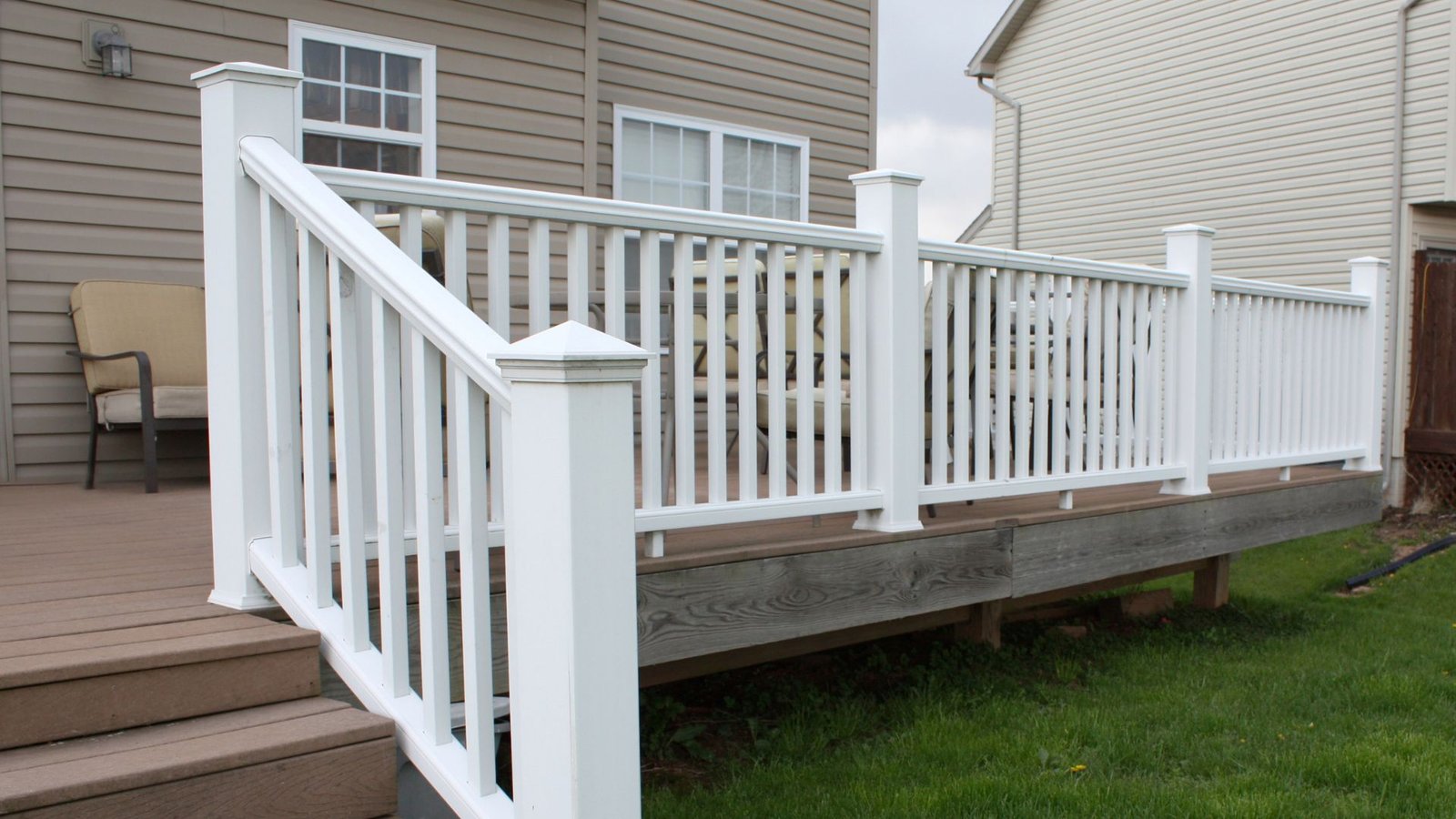
Building a deck is one of the most rewarding home improvement projects you can take on. But before you start picking out wood styles or browsing composite options, there is one part of the project that homeowners consistently underestimate: the railing system.
Deck railing is not just about aesthetics. It is a safety feature governed by specific building codes, and getting it wrong can result in failed inspections, costly fixes, or worse – injuries.
Whether you are building a ground-level patio deck or an elevated structure, understanding the rules before you break ground will save you a lot of time and frustration.
Why Deck Railing Codes Exist in the First Place
The IRC, or International Residential Code, sets the baseline standards for deck construction across the United States. These standards are developed by the International Code Council to reduce the risk of falls and structural failure. Local jurisdictions, including cities like Dallas, Texas, often adopt and sometimes modify these codes, so it is always worth confirming requirements with your local building department before starting any project.
The core reason these regulations exist is safety. Falls from elevated decks are a leading cause of serious injury, especially among children and elderly individuals. Guard rails, handrails, and balusters are all designed to work together as a protective system – not just as a design element.
Understanding Height Requirements for Deck Railings
One of the first questions homeowners ask is: how high does a deck railing need to be? The answer depends on how far your deck floor sits above the ground.
When Is a Guardrail Required?
According to the IRC, a guardrail is required when the deck surface is 30 inches or more above the ground below. At this height, a fall becomes a real safety risk, and the code mandates protection.
For decks between 30 inches and a certain elevation, a minimum railing height of 36 inches is typically required. However, if your deck is higher – say, on a second floor – many codes require the railing to be at least 42 inches tall. Always check your local amendment to the IRC, because the factor of safety built into these numbers is based on average adult height and the physics of falling.
Handrail vs. Guardrail – What Is the Difference?
These two terms often get confused. A guardrail is the full railing system that prevents people from falling off the edge of a deck. A handrail is specifically the graspable component along stairs. Both serve critical functions, but the code treats them differently.
On stairs, a handrail must be graspable – meaning it needs to have a specific diameter and profile that a person can firmly grip when walking up or down. This is particularly important for children and older adults who rely on that grip for balance and injury prevention.
Baluster Spacing and the 4-Inch Sphere Rule
Here is a detail that surprises many first-time deck builders. The space between balusters – the vertical posts that fill in the railing – cannot allow a 4-inch sphere to pass through. This regulation is specifically designed to protect children from getting their heads stuck between the openings.
In practice, this means balusters need to be spaced no more than 4 inches apart. The same rule applies to the opening at the bottom of the railing near the deck floor. Many homeowners forget that bottom gap, and inspectors catch it regularly.
Stair balusters follow a slightly different rule. Because of the angle created by stair treads, the openings can appear larger. The code still applies the 4-inch sphere test, but you have to account for the diagonal geometry of the staircase when spacing your balusters.
Material Options and What They Mean for Compliance
The material you choose for your deck railing system affects both appearance and long-term performance. Here is a breakdown of the most common options:
- Wood is classic and affordable, but it requires regular maintenance to prevent rot and insect damage – a real concern in the Dallas climate. Pressure-treated wood is the standard for structural components, while cedar or redwood can be used for aesthetic pieces.
- Metal railings, particularly those made with stainless steel, are increasingly popular for their strength and low maintenance. Cable railing systems, which use horizontal or vertical stainless steel cables instead of solid balusters, have become a modern design choice that also maintains open sightlines.
- Glass panel railings are another option, offering a sleek look and functioning as a partial sound barrier and wind block. However, glass panels must meet specific safety ratings, and the installation cost tends to be higher than wood or metal.
- Composite materials are engineered to resist rot, insect damage, and fading. They are a solid middle ground between wood and full metal systems in terms of cost and durability.
Cable Railing: Aesthetic Appeal With Specific Rules
Cable railing has grown in popularity because it provides safety while preserving views – a benefit that matters whether you are looking out over a backyard space or a cocktail patio setup.
However, cable railing comes with its own set of code considerations. The cables must maintain tension so they cannot deflect more than 4 inches when force is applied. Some jurisdictions have concerns about cables functioning as a climbing ladder for children, which has prompted certain local codes to restrict horizontal cable configurations. Always verify what your local code allows before committing to this style.
Stair Railing Requirements You Cannot Skip
Stairs are where most deck-related injuries happen. The IRC requires handrails on stairs with four or more risers, and those handrails must be continuous from the top to the bottom of the flight. The graspable diameter for a round handrail is typically between 1.25 and 2 inches – specific enough that inspectors do measure it.
Stair treads also factor into the overall safety equation. The depth and height of each tread must be consistent throughout the staircase, because inconsistent steps create a tripping risk, especially in low-light conditions. Consider adding deck lighting to your stair design for added safety at night.
Permits and Inspections in Dallas, Texas
If you are building in Dallas, Texas, you will need a building permit for most deck projects, especially those that are elevated or attached to the home. The permit process ensures that your deck railing and overall structure meet local code requirements before anyone sets foot on it.
Skipping the permit is not worth the risk. Unpermitted decks can create liability issues, complicate home sales, and leave you responsible for any injuries that occur. Working with a licensed contractor who knows the permitting process is the most reliable path forward.
Deck Railing Guidelines: Build Safer, Code-Ready Railings
Deck railing guidelines exist to protect the people who use your outdoor space every day. From height requirements to baluster spacing, material choices to stair handrail rules, every detail matters. Getting these right from the start means a safer deck, a smoother inspection, and a finished project you can actually enjoy. If you are planning a new deck or upgrading an existing one in Dallas, reach out to Build Strong at +1-972-802-3107 for expert guidance. Learn more about our Patio Deck Cover Service to see how we can help.