Can a Roof Be Repaired Instead of Replaced? Save Big With Smart Fixes
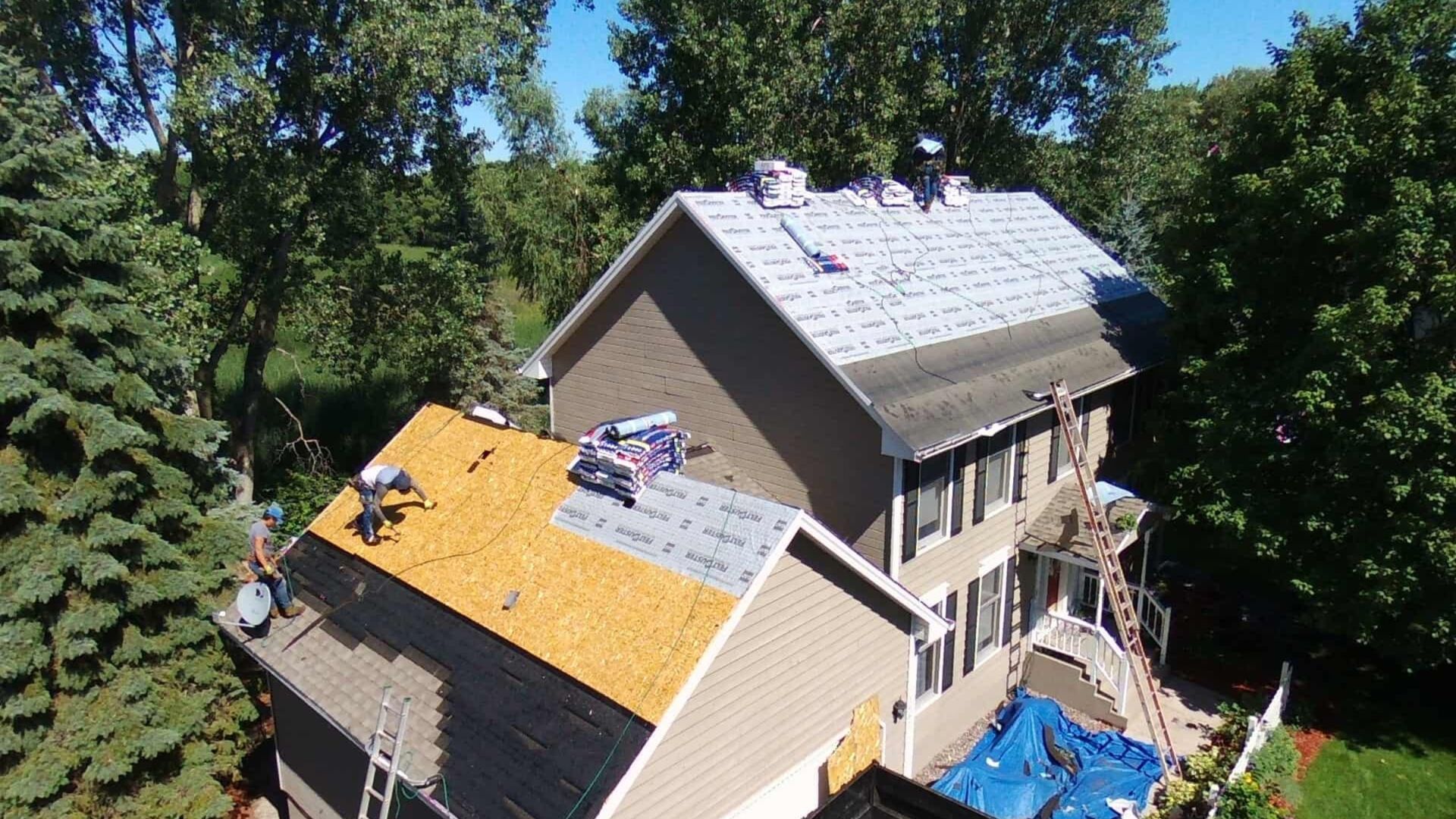
If you are staring at a stain on your ceiling or a few missing roof shingle pieces and wondering, can a roof be repaired instead of replaced?, you are not alone.
The truth: in many cases, your roof can be repaired and made solid and watertight again without a full replacement. In other cases, a full roof replacement might be the smarter, safer investment.
This guide will walk you through how to tell the difference, so you can decide whether to repair or replace your roof with confidence.
How To Tell If Your Roof Can Be Repaired Instead Of Replaced
The starting point is a thorough inspection of the roof. A good roofing contractor will look at:
- The age of the roof
- The condition of your roof surface and structure
- How widespread the roof damage is
- Whether there is visible water damage inside your home
If you are not sure if your roof needs to be replaced or if simple roof repair can solve the problem, a professional inspection is the safest first step.
Signs Your Roof Can Be Repaired Instead Of Replaced
Your roof may only need targeted work if:
- Damage is in just one or two small sections of the roof
- You only see a minor roof leak or a small area of water damage on the ceiling
- Most roof shingle pieces are still lying flat and intact
- The roof is relatively young for its roofing material
In these cases, a roofer can often repair a roof rather than push you into a full replacement.
Typical situations where a roof can be repaired:
- A few missing or cracked shingles after wind or weather
- Small flashing issues around a chimney, skylight, or vent
- Minor roof damage from fallen branches
- A leaky roof caused by one poorly sealed area
With a skilled roofer, your roof can be repaired in these spots and brought back to a watertight roof without tearing off the whole roof.
When Roof Replacement Is Usually The Better Choice
On the other hand, there are times when a complete roof replacement is simply safer and more cost effective over the long run.
You might need a roof replacement if:
- The roof is nearing the end of its expected life span
- You see widespread curling, cracking, or bald spots on shingles
- Multiple roof leak areas show up after every rain
- The roof is approaching structural problems (sagging or soft spots)
- There is major water damage in your attic or ceiling
If enough sections of the roof are failing, then repair vs replacement is not really a fair fight.
Replacement is the better long term solution.
How Age Affects Whether You Repair Or Replace Your Roof
The age of your roof plays a huge role in the repair vs replacement decision.
- If the age of the roof is under 10 to 12 years and the damage is light, you can usually repair your roof.
- If the age of your roof is close to its expected lifespan (for example, 18 to 25 years for many asphalt roof shingle systems), then replacement is usually smarter.
If your roof is nearing the end anyway, why spend money patching today only to replace the entire roof in a couple of years?
Roof Repair Vs Roof Replacement: How Pros Actually Decide
Roof repair vs roof replacement may sound like a simple either-or question, but good contractors do not guess. They look at several factors together.
1. Condition Of The Roof And Structure
A roofer will examine:
- The condition of the roof decking beneath the shingles
- Any sagging or soft spots that suggest rot
- Signs that heat and moisture are trapped in the attic
If the integrity of your roof structure is compromised in many areas, full roof replacement might be needed to keep your home safe.
2. How Much Of The Roof Is Damaged
Limited damage can be handled with repair and replacement of only the bad areas.
Your options include:
- Spot repairs on a handful of shingles
- A partial roof fix on one slope or one side
- A partial roof replacement where only a significant section is rebuilt
A partial roof approach sometimes makes sense if large but contained sections of the roof are damaged, yet the rest still has solid life left.
Once damage is spread across much of the roof surface, though, a total roof replacement becomes more realistic.
3. Roof Repair Costs Vs Long-Term Value
Short term, repairs are cheaper. Long term, repeated repairs and full replacement can end up costing more than a single, well planned full roof replacement.
Questions to consider:
- Will I keep paying roof repair costs every season?
- Are the existing roof materials outdated or inefficient for energy use?
- Would investing in a new roof lower my energy bills and give me a better warranty?
When the roof is tired and patching is only delaying the need for a complete replacement, replacement is usually more cost effective.
Can You Repair A Roof Without Replacing It Completely?
Yes, in many cases you can repair a roof without replacing it. You can often repair your roof without a full replacement if:
- Leaks are small and localized
- Damage is limited to a few shingles or one flashing area
- The condition of the roof overall is solid
A skilled roofing contractor can:
- Track down the source of a roof leak
- Replace damaged roof shingle areas
- Seal and protect penetrations like vents and chimneys
- Reinforce the roof without replacing the good areas
If the repair is planned carefully, you get a watertight roof without replacing everything and without wasting money.
Partial Roof Replacement: When Only Part Of The Roof Needs Work
Sometimes damage to your roof is significant, but not across the entire roof.
In these cases, a partial roof or partial roof replacement can be an option.
When A Partial Replacement Makes Sense
A partial replacement may be right if:
- Storm damage hit just one slope of your roof
- One side got more wind and weather over the years
- An old roof addition used a weaker roofing material than the main house
In these situations, a roofer can rebuild the damaged slope while leaving the rest alone.
The Pros And Cons Of Partial Replacement
Pros:
- Lower cost than full roof replacement
- Allows you to save money in the short term
- Targets the worst roof issues first
Cons:
- Color and texture may not match the existing roof perfectly
- You might still need a roof replacement on the remaining sections soon
- Some warranties are more limited when roofs are pieced together
Sometimes a partial replacement is a smart bridge step when your budget is tight but your roof needs major help in one area.
Can A Roof Be Repaired Instead Of Replaced After A Leak?
A single roof leak does not automatically mean you need a new roof.
A leak can come from:
- Cracked or missing shingles
- Faulty flashing near a chimney or wall
- Nail pops in the roof shingle layers
- Clogged gutters pushing water under the roof surface
If caught early, many leak problems can be repaired instead of replaced in full.
However, if leaks have been going on for a long time, the water damage might have spread into the decking, insulation, or even structural framing. When that happens, the roof needs to be replaced in more sections or possibly across the whole roof.
How A Roofing Contractor Inspects Your Roof In Dallas, Texas
If you schedule professional roofing services, here is what you can expect from a thorough inspection of the roof:
Exterior check
- Look at your roof for missing, curling, or broken shingles
- Examine metal flashing and roof edges
- Inspect vents, valleys, and penetrations for gaps and rust
Attic and ceiling check
- Search for water stains, mold, or mildew
- Check insulation for signs of moisture
- Look for daylight coming through the roof boards
Structural and safety check
- Assess the condition of the roof deck
- Identify any sagging or movement underfoot
- Confirm that domestic roof construction is sound
Afterward, the roofer will explain if the roof can be repaired or needs a full replacement, and why.
Roof Repair Costs Vs Full Replacement Costs
Roof repairs can cost far less than a full roof replacement, especially if the damage is small.
However, remember:
- Repeated small repairs and full replacement later can total more than one well-timed complete roof replacement.
- Roof repair or replacement should be viewed as an investment in your home, not just a one-time cost.
Factors that affect repair costs include:
- Type of roofing material (asphalt, metal, etc.)
- How many sections of the roof are affected
- Accessibility and roof pitch
- Extent of any hidden water damage
If you are not sure whether to replace or repair, ask your roofer for a written breakdown so you can compare roof repair costs against full replacement numbers.
Common Questions Homeowners Ask
1. How do I know if my roof needs to be replaced?
Look for:
- Widespread curling or cracked shingles
- Granules washing into your gutters
- Regular leaks after storms
- Sagging areas in your roof surface
If you are sure if your roof needs to be replaced or not, have a trusted roofer inspect it and advise on the best solution for your roof.
2. Can you repair a roof without replacing the shingles around it?
Often, yes. A pro can repair a roof without replacing every nearby shingle, but they must tie the new material into the existing roof properly so wind and water do not sneak in.
3. Can a roof be repaired instead of replaced if it is very old?
Sometimes, but if your old roof is failing in many spots, repairs might only delay the need for a complete replacement. When the roof is approaching its life limit, replacement is usually more cost effective than endless patch jobs.
4. Will a new roof help with efficient energy use?
Yes. Modern roofing material options and proper attic ventilation can improve efficient energy use, reduce heat transfer, and lower cooling costs. Investing in a new roof may improve comfort and possibly reduce your energy bills in the long term.
Repair Or Replace Your Roof: How To Decide In Real Life
When you are trying to decide whether to replace or repair, walk through these steps:
Check the age and condition
- Is the roof nearing the end of its lifespan?
- What is the overall condition of the roof and the structure beneath?
Look at the extent of roof damage
- Is it just a small area?
- Do multiple slopes leak?
- Is there visible water damage inside?
Consider your budget today vs. later
- Can you afford a complete roof replacement right now?
- Would a partial replacement or targeted repair buy you safe time?
Review warranty and future plans
- Will repairs affect any existing warranty?
- How long do you plan to stay in the home?
A good roofing contractor will walk you through these questions and help you decide whether to repair a roof without replacing everything, or if a full replacement is smarter.
What About Warranties, Weather, And Long-Term Risk?
Dallas weather can be rough on a roof. Heat, sun, wind, and sudden storms all work against your roofing material over time. When considering repair or replacement:
Warranty matters
- A new roof may come with strong manufacturer and labor warranties.
- Patching an existing roof might not carry the same protection.
Weather risk
- If your roof needs to be replaced soon and more storms are on the way, full roof replacement might prevent emergency damage.
- If your roof needs to be replaced soon and more storms are on the way, full roof replacement might prevent emergency damage.
Long-term investment
- A full roof replacement can add value to your home, improve energy performance, and reduce surprise repair bills.
If you need a roof repair today, ask your roofer how that fix fits into your long-term plan and whether it affects any future warranty or complete replacement options.
Can You Repair A Roof Rather Than Replace It For Budget Reasons?
Sometimes you simply do not have the budget to get a new roof right away, even if replacement is ideal.
In that case, an honest contractor can help you:
- Prioritize critical safety repairs
- Stabilize damage to your roof as much as possible
- Plan for a full replacement later when your budget allows
You might:
- Choose a partial replacement now, then finish the rest later
- Make targeted repairs to extend the life of the existing roof a few more years
The goal is to protect your home, your money, and your peace of mind while planning for the need for a complete upgrade down the road.
Should I Replace My Roof Or Keep Repairing It?
If you keep asking, “Should I replace my roof or keep repairing it?”, look for these signs that it is time to replace the whole roof:
- Repairs are becoming more frequent each year
- Roof repairs can cost almost as much as a big partial replacement
- The roof is old, and the condition of your roof keeps getting worse
- Your attic or ceiling shows recurring water damage
When you reach the point where repairs and full replacement costs start to overlap, that usually means full replacement is necessary or soon will be.
If you are thinking, “I might need a roof replacement soon but want to be sure,” ask for both quotes: one for repair and one for complete roof replacement. That side-by-side roof repair vs roof replacement comparison makes the choice clearer.
How To Work With A Roofing Contractor You Can Trust
To feel confident about whether your roof can be repaired instead of replaced, you need honest advice from a real expert.
Look for a roofing contractor who:
- Explains the condition of your roof in plain language
- Shows you photos of roof damage and problem areas
- Offers both repair and replacement options when appropriate
- Talks openly about cost, warranty, and long-term value
If you are in Dallas, Texas and need a roof repair or replacement opinion, you can reach out for professional roofing services and get a clear, no-pressure assessment.
Final Thoughts: The Best Solution For Your Roof
So, can a roof be repaired instead of replaced?
Often, yes. Your roof can be repaired if:
- Damage is limited
- The structure is sound
- The roof still has solid life left
Replacement is the better choice when:
- The roof needs to be replaced due to age and widespread wear
- Multiple leaks and serious water damage keep returning
- The roof entirely is at risk in the next big storm
You do not have to figure it out alone. Start with a careful inspection, compare repair costs with full replacement options, and choose the path that protects your home, your budget, and your peace of mind.
If you are unsure about the condition of your roof or whether to roof or replace, take action today: schedule an inspection, ask detailed questions, and decide with clear facts instead of guesswork.