
Can You Live in a House While Renovating? Smart Tips to Stay Sane
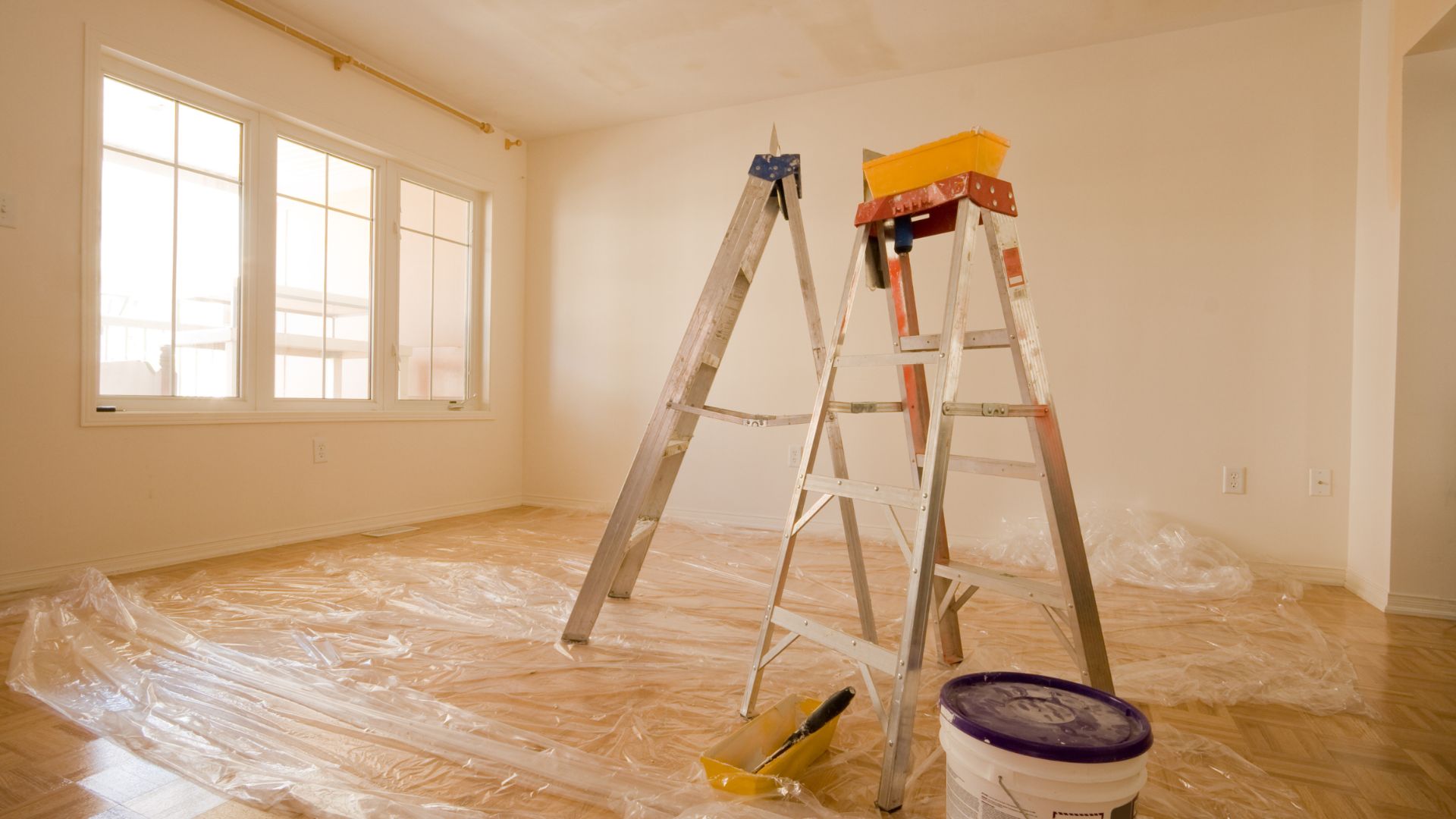
If you are planning a big renovation in Dallas, Texas, you are probably asking yourself: Can you live in a house while renovating, or is that just asking for chaos?
The honest answer: yes, it is possible to live in the house while renovating, but it is not always comfortable, and it is not always the safest choice.
The key is to understand the trade-offs, be realistic about your limits, and set your home up so you can actually function without feeling like you are living in a construction zone or a building site from hell.
This guide walks you through the real-world things to consider, especially if you want to stay in your Dallas home throughout your remodel.
Renovation Reality: Is It Possible to Live in the House While Renovating?
Is it possible to live in your house during a renovation? In many cases, yes.
You can usually live in the house if:
- The work is focused on one room or one side of the house.
- You still have at least one working toilet and place to bathe.
- There is a safe living area that is not covered in dust or blocked by tools and debris.
- Your general contractor is on board with you living on site and can phase the work.
It becomes very difficult or unsafe to live in your house if:
- You are doing a whole home or major renovation that affects every room, floor, and system at once.
- There is extensive plumbing work, new plumbing, HVAC changes, or open drywall and wiring throughout the duration.
- The construction team needs access to every living room, bedroom, and kitchen at the same time.
Many homeowners in Dallas decide to stay, but that does not mean it is comfortable. You will be dealing with dust and debris, noise, odors, and limited privacy.
Things To Consider Before You Choose To Stay During a Remodel
Before you choose to stay in your Dallas house during a renovation or remodel, step back and look at the big picture. These things to consider will help you make a smarter decision.
1. Scope of the Renovation or Remodel
Ask your general contractor:
- Is this a kitchen renovation, bathroom remodel, or full house remodel in Irving, TX style project that touches almost everything?
- Will there be plumbing and electrical upgrades throughout the house?
- Are we opening up walls, replacing floor finishes, or reworking multiple living spaces?
If this is a small reno focused on one bathroom or one side of the house, staying can be easy to manage.
If you are doing a deep home remodel or conversion of multiple spaces at once, you may want temporary housing or at least a clear staged plan.
2. Health and Safety Considerations
Your health and safety should always come first.
Renovation work creates:
- Dust and fine particles from sanding drywall, cutting tile, and demolishing old materials.
- Debris like nails, screws, splinters, and scraps of plastic and metal.
- Strong odors from paint, adhesives, and finishes.
This can be especially tough on:
- Anyone with asthma, allergies, or breathing issues.
- A child or older adult in the house.
- Kids and pets that tend to touch or taste everything.
- A dog or other pets that are anxious around strangers and noise.
If anyone in your home has health concerns, or if the house will be dusty and dirty for weeks, it may not be wise to be living in the home full time.
3. Daily Routine, Work From Home, and Privacy
Think about your daily routine in real life.
- Do you work from home and need quiet video calls?
- Do you have children and pets who nap during the day?
- Is there only one bedroom that works for everyone right now?
Renovation often means:
- Power tools starting early.
- Doors open for ventilation.
- People going in and out of almost every door and room.
If you cannot find a way to be away from the noise for a few hours a day, staying onsite may quickly become overwhelming.
Setting Up a Main Living Area So You Can Live Through a Remodel
If you decide to live in your house, the most important step is to protect a main living zone so your family can eat, relax, and sleep.
Here is how to keep your living spaces as calm as possible.
Creating a Safe, Dust-Free Living Area
Ask your contractor to help you:
- Choose one living room, bedroom, or combination of spaces that will be your family base.
- Seal this area off with plastic sheeting and zipper doors to keep it as dust-free as possible.
- Use hepa air scrubbers or good-quality air filters to keep the air cleaner.
- Make sure there is a clear path from that area to a shower, toilet, and exit door.
This helps keep your living area from being completely covered in dust and construction mess.
Storing Furniture and Essential Items
You will want to keep your essential items close and everything else out of the way.
- Move non-essential furniture to the garage, attic, or a storage unit.
- Keep a small set of clothes, toiletries, and bedding in your main living area.
- Store items in clear plastic bins so they are easy to manage and stay clean.
Think of this like a very organized, very compact apartment inside your own house.
Kitchen Renovation: How To Create a Temporary Kitchen You Can Actually Use
A kitchen renovation is one of the hardest projects to live through because the kitchen is usually the heart of the house.
If your Dallas remodel includes a kitchen remodel, you will probably lose access to your stove, countertop, and sink for a while.
That does not mean you have to eat out every night. You just need to create a temporary kitchen that fits your family.
How To Create a Temporary Kitchen During a Remodel
Look for a spot like:
- A corner of the living room
- A section of the bedroom that you can spare
- A covered outdoor space if the weather cooperates
Then set up a simple temporary kitchen with:
- A microwave
- A hot plate
- A camping stove (if you can safely vent it and your contractor approves)
- A coffee maker
- A toaster
Use a folding table as a makeshift countertop, and add a small cart or shelving rack for dry food and dishes.
Paper plates, disposable cutlery, and a small wash tub can help if you do not have a sink available.
This kind of setup may not feel like your new kitchen, but it will keep you functional while the reno is in full swing.
Bathroom Access When You Have Only One Bathroom
If your Dallas home has one bathroom and you are doing a bathroom remodel, planning is critical.
Ask your contractor:
- Can we phase the work so the toilet is out of service for the shortest possible time?
- Is there a way to leave a shower working for part of the project?
- Will we ever be completely without a place to bathe?
If there will be days without any working fixtures, you may need:
- A short stay in a hotel
- A friend or family member you can stay with
- A nearby gym membership for emergency showers
This is one of the biggest deciding factors for many homeowners when they decide whether to relocate or stay.
Kids and Pets: Tips For Living On-Site With a Family
Trying to live through a remodel with kids and pets is a different challenge from renovating an empty nest.
Children and Safety in a House During a Renovation
If you have a Child in the house:
- Set strict rules about not crossing plastic barriers or going into construction zones.
- Keep tools, nails, and scraps of plastic or metal well out of reach.
- Plan regular outings to get them away from the chaos and the noise.
Remember, to a curious kid, a construction zone looks like a playground filled with interesting debris and mess.
Managing a Dog or Other Pets While Living On Site
For a dog or other pets:
- Create a secure, quiet corner far from the main work zones.
- Make sure your contractor always knows if a pet is loose so doors are not left open.
- Arrange pet daycare or time with family if your animal is very anxious.
For some families, boarding a pet for the loudest phases of work makes living on site less stressful for everyone.
Temporary Housing vs. Staying At Home in Dallas
Sometimes, the smartest move is staying at home in a reduced way. Other times, a short break in temporary housing can pay off in both comfort and sanity.
When Temporary Housing Might Be the Better Option
You may want to plan short-term temporary housing or a Hotel stay if:
- There is no working kitchen or toilet for multiple days.
- The hvac system will be shut off during extreme Dallas weather.
- Your old home has structural work that makes the house during a renovation unsafe at times.
- There is heavy home improvement work that affects the whole home at once.
Some families split the difference:
- Stay onsite during planning and light work.
- Leave for the messiest, loudest, or most intrusive weeks.
- Return once the dust and debris level drops and the basic systems are back online.
How Your Contractor Can Help You Live In Your Home Throughout a Remodel
A good general contractor does more than just swing hammers. They help you plan how to live in your home safely while work goes on.
Phasing, Scheduling, and Time and Cost
Talk with your contractor in Dallas about:
- Phased schedules: finishing one part of the house while renovating another.
- Keeping one working bathroom or partial kitchen as long as possible.
- How living onsite might affect time and cost. Sometimes, extra setup to protect your living areas can add labor or materials.
This conversation should happen before you sign a contract, not after the first wall comes down.
Inspections, Plumbing Work, and Safety Checkpoints
Ask about:
- Any inspection stages where utilities need to be turned off.
- How plumbing work and new plumbing connections will affect water use.
- When you might be completely without power, water, or HVAC.
Clear information helps you plan nights out, temporary housing, or simply a night or two away from the chaos.
Dust, Debris, and Keeping Your Living Spaces Habitable
Renovation dust is unavoidable, but you can reduce how much it affects you.
- Use plastic barriers, negative air machines, and hepa air scrubbers where possible.
- Keep doors to your main living area closed.
- Have the crew sweep or vacuum regularly to keep dust and debris off the floor.
No matter what, expect it to feel dusty and dirty at times. That is normal, but it should not feel unsafe.
Planning, Budget, and Contingency When You Live In Your House
When you decide to live in your house during a remodel, planning is everything.
Build a Realistic Contingency
Include a contingency in your budget and schedule for:
- A short stay in a Hotel if work runs long.
- Extra cleaning if your main spaces get more covered in dust than expected.
- Eating out a bit more when your temporary kitchen setup is not enough.
Cash set aside for surprises helps you feel less trapped if your remodeling project hits delays.
Think About Long-Term Comfort
Ask yourself:
- Can I tolerate living in a building site for weeks or months?
- Is my stress level worth the savings if I choose not to move out?
- How important is a quiet, clean space to my mental health?
Sometimes, a few carefully chosen nights offsite can make it much easier to stay patient until the renovation is complete and you can enjoy your new space.
Simple Tips For Living Through a Remodel Without Losing Your Mind
Here are practical tips for living in a Dallas house under construction:
- Keep one small zone neat and calming, with your bed and a few personal touches.
- Use white noise or earplugs to get rest away from the noise.
- Schedule regular breaks out of the house – walks, visits to friends, or time at a gym.
- Protect valuables and sentimental items from dust, damage, or theft.
- Communicate clearly with your contractor about work hours and access.
Your goal is not perfection. It is simply to keep your living situation workable while the house transforms.
When You Should Not Live In The Home During a Major Renovation
There are times when it is simply not possible to live safely onsite, even if you want to:
- Structural changes that leave parts of the house unstable.
- Complete system overhauls of electrical, plumbing, and hvac all at once.
- Projects where every room, including kitchen, bathroom, and bedroom, is unusable at the same time.
If your contractor tells you that staying would be unsafe, listen. Living in a construction zone can put your family at risk if basic protections are not in place.
How Build Strong Can Help Dallas Homeowners Decide
If you are in the Dallas area and planning a home remodel or renovation, you do not have to figure this out alone.
A local team that understands how Dallas homes are built, how inspections work, and how to phase projects can help you decide when it is smart to stay and when to step away.
We can walk you through:
- Phased plans that keep part of your home usable.
- Options for protecting your main living zones.
- Honest guidance on whether living on site makes sense for your specific project.
You can also learn more about how a full project is structured by exploring our full house remodel in Irving, TX overview.
Conclusion: Yes, You Can Live in Your House While Renovating – But Plan Smart
So, can you live in a house while renovating?
In many Dallas homes, yes, it is absolutely possible. People do it all the time. But you should go into it with clear eyes:
- Protect a clean living area.
- Set up a realistic temporary kitchen.
- Prioritize health and safety, especially for children and pets.
- Be honest about your noise tolerance and your need for routine.
- Build in a plan B if the mess and hell of renovation gets to be too much.
If you are unsure what is realistic for your specific project, talk with a qualified general contractor who understands phasing, dust control, and on-site living.
When you are ready to explore your options or want help planning a remodel that respects your day-to-day life, schedule a consultation with a trusted Dallas renovation expert and map out a plan that works for your family.