
Do You Need a Permit to Build a Deck? Here’s How to Know for Sure
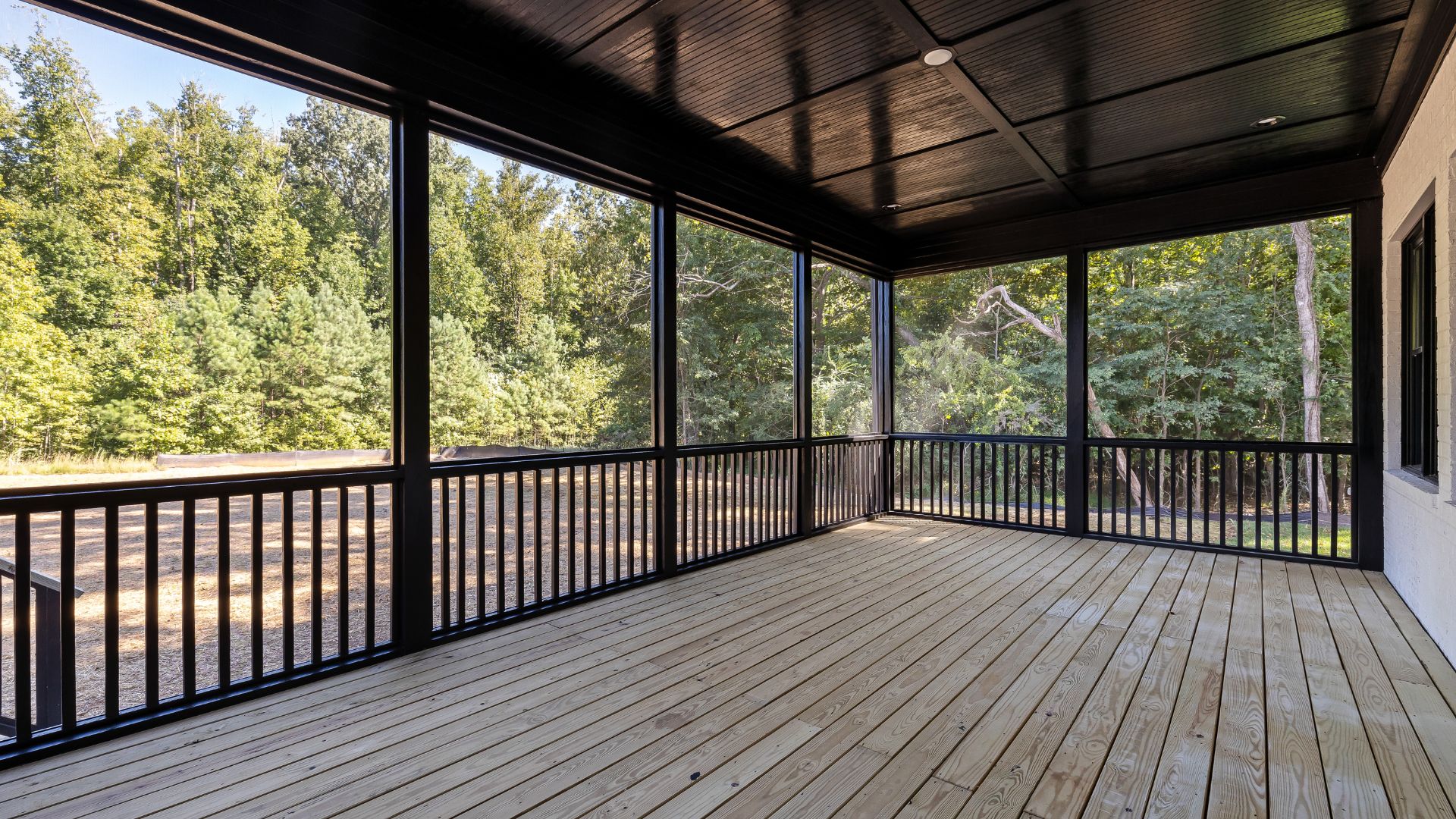
If you are planning a new deck, one of the first questions that pops up is: do you need a permit to build a deck in Dallas, Texas?
The honest answer: usually yes, but the details depend on size, height, and how the deck connects to your home and yard.
This guide will walk you through when you need a building permit, what size deck you can build without one, how the permit process actually works, and what happens if you build a deck without a permit.
By the end, you will know how to stay on the right side of local building codes and keep your family safe.
Do You Need a Permit to Build a Deck in Dallas?
In Dallas, most deck construction that is attached to your house or higher than a certain height will require a permit.
City and local building codes focus on two main things:
- Height: If the walking surface is 30 inches above grade or more at any point, a building permit is required.
- Connection to the house: Attached decks almost always need a building permit, even if they look simple.
Every jurisdiction can tweak rules a bit, but within Dallas:
- A ground-level or floating deck that is less than 30 inches tall and square feet or less of a certain size may not need a permit.
- Once your deck gets bigger, higher, or tied into your house structure, you almost always need permits to build.
The only way to be fully sure is to find out if you need a permit from the local building department before you buy lumber or start demolition on an old deck.
What Size Deck Can I Build Without a Permit?
Homeowners often ask: what size deck can I build without a permit? Or what type of deck can I build without needing to deal with paperwork?
In general:
- Very small, low, freestanding decks might be allowed without permits.
- Once you pass a certain size, or a specific height like 30 inches, you need a permit.
In Dallas, a very small freestanding deck or platform:
- Under about 200 square feet
- Less than 30 inches tall
- Not attached to the home
- Not blocking a door or emergency exit may not need a permit.
However, “may not need a permit” does not mean “safe to assume”. Local building codes and regulations can change, and local zoning and zoning codes can place restrictions based on your yard, property line, or well and septic system location.
You should always:
- Call your local building department.
- Ask what deck size you can build without a permit in your neighborhood.
- Confirm in writing or from an inspector if possible.
It takes a few minutes, and it can save a lot of money, risk, and legal trouble later.
When Do You Absolutely Need a Permit for a Deck?
There are clear situations where you need a permit to build or extend a deck in Dallas. You will need a building permit when:
- The deck is 30 inches above grade or more.
- The deck is attached directly to the house structure.
- You cut into the siding or connect at any door.
- The deck changes your property access or affects plumbing lines, beams, or joists.
- You are doing structural work on an old deck that affects beams, a joist, or support posts.
- The deck is part of a larger Construction or remodeling project.
You will also need a permit when:
- You build a deck over or close to a well and septic system.
- You run gas or electrical lines to the deck area.
- You change stairs, guardrails, or structural supports.
If you need a permit to extend an existing structure, the city might check the whole deck design, not just the new part.
Why Deck Permits Matter: Safety, Insurance, and Resale
A deck permit is not just paperwork. It protects you in several important ways.
Safety and building codes
Permits and permits and inspections exist to make sure your deck:
- Meets current building codes and regulations
- Can safely handle the expected load in foot (unit) measurements
- Has proper support posts, beams, joists, and connections
- Has correct dimension spacing in inch measurements between boards and guardrails
Good deck construction reduces the chance of an accident, injury, or structural failure.
Insurance, tax, and legal issues
Building a deck without a permit can create big headaches with:
- Insurance: Your insurer may refuse to cover damage or injury connected to unpermitted work.
- Property tax: An unpermitted deck can cause problems when the county updates property tax records or checks your property.
- Homeowner association: If you live in a community with a homeowner association, they may have their own rules about planning permission, regulation, and design approvals.
When you get a building permit, you show regulatory compliance with building code and zoning. This reduces risk and helps protect your investment.
What Happens If You Build a Deck Without a Permit?
Building a deck without a permit or doing unpermitted work might feel like a way to save time and permit cost money, but it can backfire quickly.
Possible consequences of a deck without a permit or work done without proper permits include:
- Fines from the city
- An order to stop work or even remove the deck
- Having to apply for a retroactive permit
- Extra Fee and design corrections to meet construction plans and codes
- Problems when you try to sell, refinance, or update Tax records
If inspectors find unpermitted work, you may need to:
- Provide a full deck plan and construction plans
- Upgrade the deck to meet current building permit regulations
- Open up parts of the structure for deck inspection
If you are in this situation, it is often best to talk with a professional deck builder who knows Dallas local building codes and can help you obtain permits or apply for your permit retroactively.
How to Find Out If You Need a Permit to Build a Deck
To find out if you need a permit to build a deck, follow this simple approach:
- Call or visit the local building department in Dallas.
Ask specifically: “Do I need a permit to build this deck as described?” - Prepare basic information about deck details:
- Height off the ground (in inch or foot measurements)
- Approximate square footage, such as around 200 square feet or more
- Distance from the property line
- Whether it is attached or freestanding
- Any impact on a door or windows
- Ask about zoning and zoning department rules:
- Any limits on certain size structures
- Setbacks from the property line
- Drainage, easements, or local zoning requirements
- Confirm if you need to obtain a permit to build or if you may not need a permit for a simple, low floating deck.
This quick step will tell you whether you can build a deck without a permit or if you must go through the permit process.
What You Need To Apply For Your Permit
If your deck project does require permits, here is what you typically need to apply for your permit in Dallas.
1. Site plan and deck plan
You will usually need a site plan that shows:
- Your house footprint
- The yard and property line
- Where the new deck will go, with dimension details in foot and inch units
You will also need a basic deck plan that may include:
- Overall deck design
- Height (including if it is higher than 30 inches)
- Joist and beam layout
- Stair and railing locations
Some homeowners can sketch this themselves; others prefer a pro to draw approved plans to match Dallas codes and regulations.
2. Permit application and paperwork
Your permit application will ask for:
- Your contact information as the homeowner
- Job address in Dallas
- Basic construction scope
- Estimated permit cost
This kicks off the official application process so you can get a permit.
3. Local building review and fees
The local building staff will review:
- Compliance with building codes
- Local regulations and local zoning
- Any special issues, like a nearby well and septic system
You will pay a fee based on project size. Once the city approves, you obtain a permit and can start building your new deck.
Inspections: How They Work and Why They Matter
Part of getting a permit for a deck is agreeing to city inspection steps. Typical permits and inspections for a Dallas deck include:
- Pre-pour or footing inspection: Before you pour concrete for posts.
- Framing inspection: After joists, beams, and connections are in place.
- Final deck inspection: When all work is complete and safe to use.
An inspector checks that:
- Structural pieces like the beam and joist layout match the approved design.
- Guardrails and stairs meet height and spacing rules.
- The deck matches the approved plans and current regulation standards.
These inspections protect you from hidden issues that could cause an accident later.
Can I Build Without a Permit If My Deck Is Small?
Some Dallas homeowners ask directly: Can I build without a permit if my deck is small and low?
In certain cases, yes. A small, low, detached platform might be allowed without a full deck permit, especially if it is:
- Under 200 square feet
- Less than 30 inches tall
- Not attached to the house
- Not blocking any exit door
But because rules can vary from state to state and by Dallas neighborhood, you should still talk with the local building department to confirm. What was allowed years ago for an old deck may not match today’s building codes and regulations.
If your deck is truly minor, the city may confirm that you may not need a permit. In that case, document that conversation or get it in writing if possible.
What If My Existing Deck Is Unpermitted?
If you bought a house and later discover your deck is unpermitted, or you did work years ago without obtaining the right approvals, do not panic.
Steps you can take:
- Contact the Dallas building department staff and explain the situation.
- Ask whether you can apply for a retroactive permit.
- Prepare information about deck size, height, and structure.
- Expect a deck inspection and possibly required repairs.
It may feel frustrating to spend money and time on an existing structure, but resolving unpermitted work now protects you for future resale, insurance, and property tax updates.
Working With a Professional vs DIY
You can absolutely manage the permit for your deck as a DIY homeowner, especially for a simpler deck project.
However, many Dallas homeowners choose to work with a professional deck builder or remodeling team for:
- Navigating permit requirements
- Handling the permit application and permit process
- Making sure all building codes and building permit regulations are met
- Coordinating deck inspection visits
If you want to add shade or upgrade your outdoor space further, you can also explore patio and deck covers in Irving TX, for ideas that blend comfort with code-compliant design.
Conclusion: The Smart Way To Start Building Your New Deck
If you remember only one thing, make it this:
Always check if you need a permit to build a deck in Dallas before you start.
- If your deck is attached, higher than 30 inches, or larger than a small platform, you almost certainly need a building permit.
- Small, low, freestanding platforms might not require permits, but you should always verify with your local building and zoning offices.
- Building your new deck with proper permits protects your family, your wallet, and your home’s value.
Before you buy materials or start demolition, take a few minutes to call the local building department, confirm what you need to obtain, and decide whether you want professional help or a DIY approach.
Use this guide as your starting point, then take action:
- Sketch your deck design
- Contact the city to confirm permit requirements
- Begin the application process with confidence
With the right permits, plans, and inspections in place, you can enjoy your deck for years – safely, legally, and proudly. Contact us now!