
Why Laminate Flooring Expands and Contracts in Dallas Homes
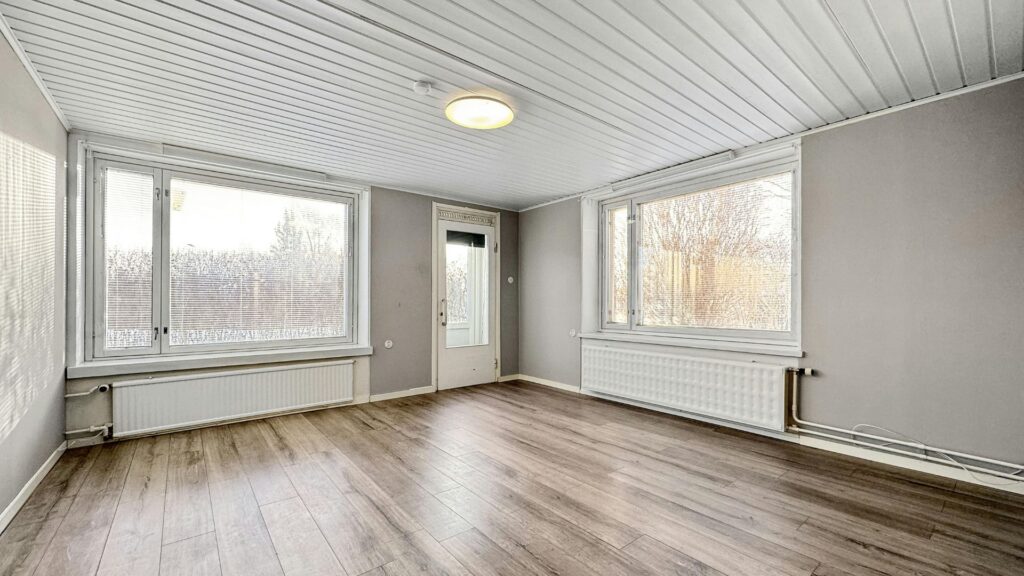
Does laminate flooring expand and contract throughout the year? Yes. Although laminate is manufactured rather than cut from solid wood, its fiberboard core still responds to moisture in the surrounding air.
When indoor humidity rises, laminate planks can absorb moisture and expand. When the air becomes drier, they release moisture and contract. This movement is usually small and manageable, but it can lead to buckling, gaps, lifting edges or damaged locking joints when the flooring is installed incorrectly.
Seasonal movement is especially important to consider in Dallas-Fort Worth homes, where air conditioning, heating, outdoor humidity and indoor moisture levels can change considerably throughout the year.
Why Laminate Flooring Moves in the First Place
Laminate flooring is made from several bonded layers. Most products include:
- A stabilizing backing layer
- A high-density fiberboard core
- A printed design layer that resembles wood or stone
- A transparent wear layer that protects the surface
The fiberboard core is the main reason laminate expands and contracts. It contains wood fibers that absorb and release moisture as the relative humidity inside the home changes.
Laminate is more dimensionally stable than many solid hardwood products, but it is not completely unaffected by the environment. Manufacturers specifically design floating laminate floors to move slightly as temperature and humidity conditions change.
Does Temperature or Humidity Affect Laminate More?
Humidity normally has the greater effect.
Warm air can hold more moisture than cold air, but the amount of water vapor actually present inside the room is what influences the laminate core. A warm, humid room may cause the flooring to expand, while dry indoor air may cause it to contract.
Temperature still matters because it affects indoor humidity and the conditions under which the flooring is stored, acclimated and installed. Problems are more likely when flooring is installed in a house without working climate control or when the temperature changes dramatically shortly after installation.
For that reason, the home’s HVAC system should generally be operating before, during and after the flooring project according to the product instructions. Shaw, for example, advises having the HVAC system operating before installation and maintaining the required indoor conditions afterward.
What Happens When There’s No Room to Move
Here’s where things go wrong. Laminate flooring is installed as a floating floor – meaning it isn’t nailed or glued directly to the subfloor. Instead, the planks click together and float as a single unit over a surface, whether that’s plywood, concrete, or old carpet padding.
Because it floats, the entire floor moves as one piece. If there’s no space around the edges for expansion, the pressure has nowhere to go. That’s when you start seeing buckling, where sections of the floor push upward in the middle of a room.
The Expansion Gap Explained
Every laminate flooring installation requires what’s called an expansion gap – typically about a quarter to three-eighths of an inch of space left between the edges of the flooring and the wall, baseboard, or any fixed object like a door frame or drywall.
This gap gives the floor room to expand in length during warm, humid conditions without creating pressure that causes buckling. Without it, even well-installed laminate will fail over time.
The gap itself is hidden under the baseboard and under trim such as shoe molding or transition molding at doorways. Most people never see it, but it does all the heavy lifting when the seasons change.
Common Problems Caused by Poor Expansion Planning
Buckling is the most dramatic symptom, but it’s not the only one. Here’s what can happen when laminate flooring isn’t given enough room to contract and expand:
- Buckling or warping – planks push upward due to pressure buildup with nowhere to expand
- Gapping – visible separations between planks during dry winter months when the floor contracts
- Clicking or creaking sounds – the floor shifting against a fixed object under pressure
- Edge lifting – the perimeter of the floor lifting where it meets baseboards or walls
All of these issues can be traced back to one of two problems: not enough expansion space, or too much moisture entering the floor from below or above.
How to Protect Your Laminate Flooring Year-Round
The good news is that laminate flooring is durable and low-maintenance when it’s installed correctly and treated with some basic care. Here’s what makes the biggest difference.
Maintain Consistent Indoor Humidity
Keeping your home’s humidity between 35 and 65 percent year-round dramatically reduces the amount your laminate flooring expands and contracts. In Dallas summers, that often means running your air conditioning consistently. In drier winter months, a humidifier can help stabilize moisture levels in the room.
Never Block the Expansion Gap
Heavy furniture, door stops, and even overly tight shoe molding can block the gap and prevent the floor from moving freely. Make sure any decorative molding or trim along the baseboard isn’t pinning the flooring down.
Watch for Water Sources
Moisture from below is a serious threat to laminate floors – especially in rooms near plumbing or in below-grade spaces. Unlike hardwood, laminate is not designed to handle standing water or prolonged moisture. A small leak or condensation issue can cause permanent swelling that no amount of drying will reverse.
Acclimate Before Installation
Before laminate flooring is installed, it needs to sit in the room where it will be placed for at least 48 hours. This allows the planks to adjust to the local temperature and humidity of that specific space so that the initial expansion or contraction happens before installation, not after.
Is Laminate Right for Every Room?
Laminate is a smart choice for most areas of a home, but it does have limitations. It performs well in living rooms, bedrooms, hallways, and kitchens. However, high-moisture rooms like bathrooms or spaces with significant humidity fluctuation – including some basements – may require moisture-resistant lamination products or a different flooring type entirely.
If you’re weighing laminate against hardwood or other wood flooring options, the expansion behavior is roughly similar. The difference is that hardwood can often be sanded and refinished if damage occurs, while laminate generally has to be replaced.
How to Keep Laminate Flooring Stable Year-Round
Laminate flooring is a solid investment when it’s installed and maintained properly.
Understanding how it responds to humidity and temperature keeps you ahead of common problems like buckling, gapping, and pressure damage. If your current floor is showing signs of movement-related wear, or if you’re planning a new installation and want it done right the first time, reach out to the team at Build Strong Construction & Remodeling.
Explore our flooring contractor services or call us at +1-972-802-3107 to get started.