
How to Level a Floor Without Tearing Up Your Home
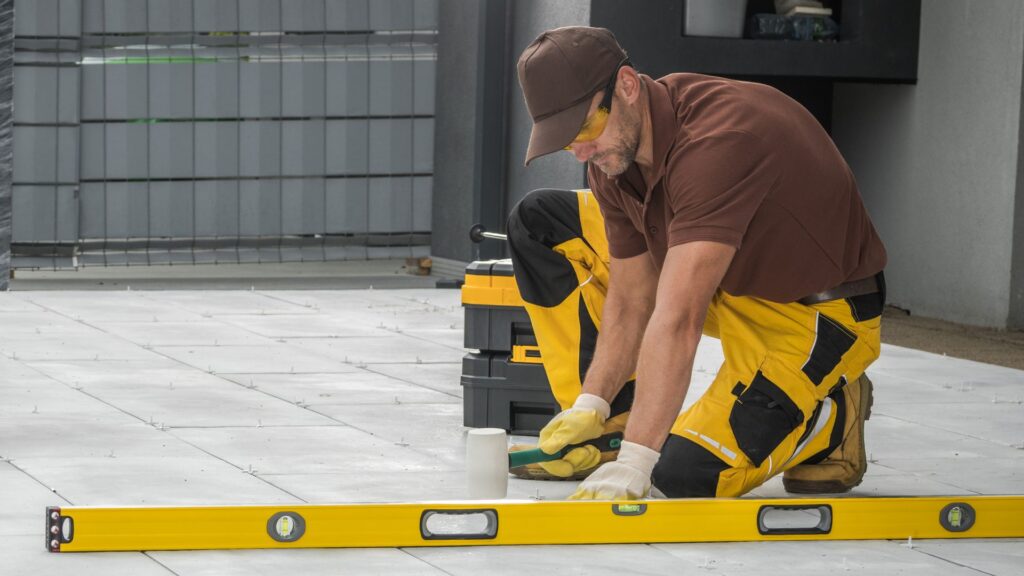
Uneven floors are a common issue in both new builds and older homes. Whether you notice a dip near the bathroom, a slope across the floor in your kitchen, or a bounce underfoot in the living room, these problems are more than just a nuisance. They can affect new flooring installations, create safety hazards, and even signal deeper structural concerns.
The good news? You do not always need a full gut renovation to fix them. This guide walks you through practical ways to level a floor without tearing everything apart.
Why Floors Become Uneven in the First Place
Before you fix anything, it helps to understand why the unevenness exists. In older homes, sagging joists are a frequent culprit. Wood rots, settles, or shifts over time, causing the subfloor above to slope or sag.
In homes with a concrete floor, cracks, moisture intrusion, and settling soil can create high and low spots across the entire floor surface. The floor type and the severity of the problem will determine the best repair approach.
How to Diagnose the Problem
Start with a long straightedge or a laser level to identify where the deviation is greatest. Walk the room slowly and look for any area where the floor visibly dips or rises. A good rule of thumb is that a deviation of more than 3/16 of an inch over a 10-foot span will affect tile, laminate, and other finish flooring installations.
Once you know the severity, you can decide whether this is a DIY fix or a job for a contractor.
Leveling Floors Over a Wood Subfloor
Check the Joists First
If your subfloor is wood, inspect the floor joists below. In a basement or crawl space, look for any joist that has started to sag or separate. A carpenter can sister a new joist alongside the damaged one to restore support before you address the surface.
Using a Shim or Plywood to Raise Low Spots
For minor slope issues, a shim placed beneath the subfloor framing can lift a low area back into alignment. For larger sections, adding a layer of plywood over the existing subfloor is a reliable method. Use plywood sheets that are appropriately thick and fasten them with a screw pattern that pulls them snug to the framing below.
If the plywood subfloor has a gap between panels or shows signs of soft spots, repair those areas before adding any underlayment or finish flooring. Always follow the manufacturer’s instructions when working over a plywood subfloor, especially for products like new laminate flooring or a floating floor system.
Feathering with a Leveler
Self-levelling (or levelling) compound can be troweled over wood subfloors to smooth out high spots and fill low areas. It is poured and spreads on its own across the floor, then dries into a hard, even surface. The varying thickness you can achieve makes it useful for correcting moderate unevenness without adding significant height.
Working With a Concrete Floor
When working with a concrete floor in need of leveling, the process involves grinding down high spots and filling low areas with cement-based leveler. The compound is troweled smooth and allowed to cure fully before installation of tile, laminate plank, hardwood, or carpet begins.
Always clean the surface first. Debris, adhesive residue, and loose material will prevent the leveler from bonding correctly. Make sure the original floor is dry – moisture is the enemy of a good bond.
When to Call a Professional
In severe cases, leveling floors is not a one-afternoon DIY project. If you are dealing with sagging joists, a failing plywood subfloor across a large area, or a concrete slab with major cracks, it is worth bringing in a professional. A qualified contractor can assess the structural cause, not just the surface symptom.
As a homeowner, learn how to level a floor at the surface level, but know when the problem runs deeper than a tutorial can solve. Trying to install underlayment or a new floor over a broken subfloor will only lead to larger problems and higher repair costs later on.
Conclusion
Leveling the floor in your home does not have to mean chaos and demolition. With the right approach – whether that is shimming joists, laying plywood sheets, or applying a self-leveling compound – most unevenness can be corrected cleanly and effectively. If you are in the Dallas area and want an expert assessment of your flooring situation, Build Strong Construction and Remodeling is here to help. Reach out to our team at +1-972-802-3107 or visit us to get started.