
How To Get Rid Of Paint Smell After Painting Fast (Proven Tips That Actually Work)
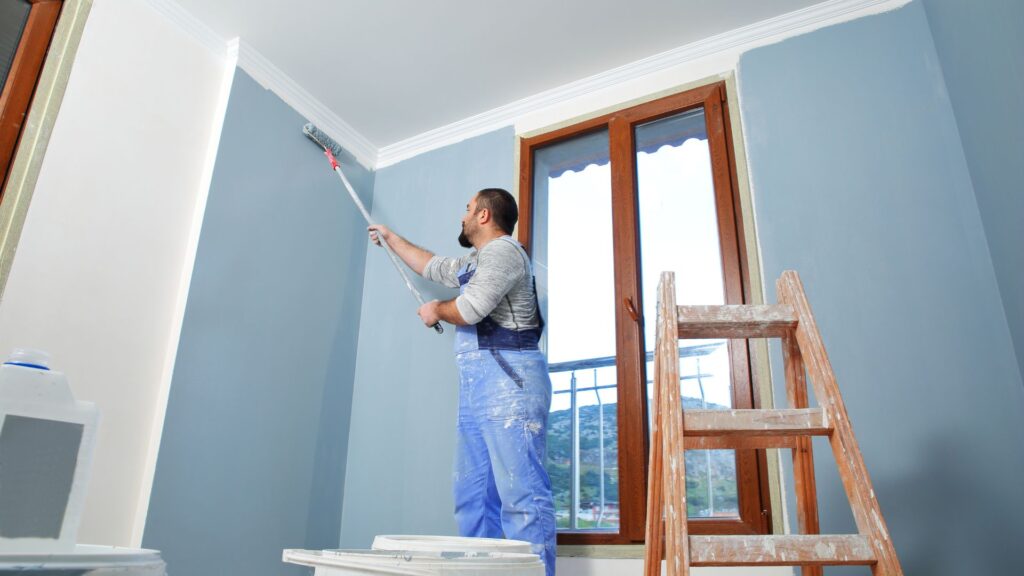
You finally finish painting. The color looks perfect. The room feels fresh and updated.
Then the paint smell hits you.
Some people love the smell of fresh paint. Others get headaches, irritation, or just feel uncomfortable breathing it in. If your home in Dallas, Texas, is freshly painted and you are wondering how to get rid of the paint smell quickly and safely, this guide will walk you through what actually works.
We will cover why paint fumes linger, how long do paint fumes last, and the best practical steps you can take today to remove paint smells and restore healthy indoor air quality.
Why Does Paint Smell Linger After Painting
The smell of paint is not just a smell. It is caused by chemical compounds released as the paint dries.
Most traditional paint products release volatile organic compounds, also called VOCs. A volatile organic compound is a chemical substance that evaporates into the air during the drying process. This process is known as off-gassing.
These volatile organic compounds contribute to:
- Strong paint odor
- Headaches or irritation
- Short-term exposure symptoms like dizziness
- Potential health concerns with prolonged exposure
Oil-based and solvent-based paints usually have higher VOC levels. Water-based paints and low-voc options generally release fewer fumes. However, even interior paint labeled low-voc can still produce an unpleasant odor during curing.
If the room has limited ventilation or you are working in poorly ventilated spaces, those lingering fumes can hang around longer.
How Long Do Paint Fumes Last?
One of the most common questions we hear at Build Strong is: how long do paint fumes last?
In most cases, fumes from new paint begin to dissipate within 24 to 48 hours. However, that does not mean they are completely gone.
- Low-voc water-based paints may dissipate within a few days.
- High-voc or oil-based coatings can continue off-gassing for several days or even weeks.
- In one room with windows and doors closed, the odor may last much longer.
Humidity, heat, and overall ventilation (architecture) in your home all impact how fast a fume clears out. Dallas weather can be helpful. Warm conditions can speed up evaporation, but without airflow, the smell of paint has nowhere to go.
The goal is simple: increase airflow and help absorb or neutralize odor molecules.
Step 1 – Maximize Ventilation Immediately
The most effective way to get rid of paint smell is fresh air.
As soon as you start painting, open window panels and keep windows and doors open if the weather allows. Keeping doors and windows open creates cross-breeze airflow, which pushes the fume outside instead of letting it circulate around the room.
To significantly reduce odor:
- Use box fans in windows to pull air outward
- Set your HVAC system to circulate air
- Ventilate continuously for at least 24 to 72 hours
In homes with limited ventilation, the paint odor can feel trapped. Even a simple fan setup can make a noticeable difference in indoor air quality.
Step 2 – Use Air Purifiers With Proper Filtration
An air purifier is one of the fastest ways to eliminate paint smell indoors.
But not all air purifiers are equal. For paint fumes, look for:
- HEPA (high-efficiency particulate air) filtration
- Carbon filters or activated carbon
HEPA handles particles like dust. Carbon filters help absorb odors and chemical molecules from the air, including VOCs and other organic compounds.
Proper filtration captures odor molecules and reduces that lingering fume sensation. If you recently completed a full house remodel service in Irving, TX, placing air purifiers in high-use areas can dramatically improve air quality after a fresh coat is applied.
Step 3 – Natural Ways To Absorb Paint Odor
If you prefer natural ways to remove paint smells, there are time-tested household options that actually help.
Baking Soda
Baking soda, also known as sodium bicarbonate, is a powerful odor absorber.
Place bowls of baking soda in shallow bowls around the room. You can also place bowls of baking soda near walls or corners where fumes concentrate. Bowls around the space help absorb odors from the air.
Leave it overnight and replace if needed. This method works especially well in bedrooms and enclosed areas with carpet and upholstery.
White Vinegar
White vinegar contains acetic acid, which helps neutralize odor-causing particles.
Pour white vinegar into a bowl and leave it in the room overnight. The vinegar smell fades quickly, and it helps remove the paint odor in the process.
Vinegar is particularly helpful after removing paint drips from hard surfaces, where the smell seems stronger.
Activated Charcoal
Activated charcoal, sometimes labeled as activated carbon, acts as a natural absorber. It traps organic compound molecules from the air.
Place charcoal in a bowl or breathable sachet and position it in different parts of the room. It is highly effective at helping absorb chemical smells.
Coffee Grounds
Spread fresh coffee grounds in shallow bowls and set them around the room. Coffee is excellent at masking and reducing bad smells. The strong aroma of coffee grounds can compete with the smell of fresh paint while also helping absorb it.
This trick is simple and surprisingly effective for strong paint situations.
Onions and Lemon
Cut an onion in half and place it in water overnight. It can help absorb fumes, though it produces its own odor.
For a lighter approach, slice a fresh lemon and place it in a bowl of water. Lemon adds a cleaner scent while helping neutralize odour.
Step 4 – Control Humidity and Temperature
Humidity and heat influence how quickly paint dries.
When paint dries faster, the off-gassing period shortens. Use fans or your HVAC system to maintain steady conditions. Avoid excessive moisture, which can slow the drying process and allow odor to linger.
Proper airflow combined with stable temperature helps paint products cure completely dry and faster.
Step 5 – Clean Soft Surfaces Where Odor Hides
Odor does not just float in the air. It can settle into carpet, furniture, and upholstery.
After painting:
- Launder nearby laundry or curtains
- Wipe down furniture surfaces
- Steam clean fabric if needed
These materials can trap odor molecules, especially in freshly painted rooms with limited ventilation.
If you recently invested in expert kitchen remodeling solutions or custom bathroom remodeling services, cleaning surrounding surfaces ensures new paint and new installations feel truly fresh.
Choosing The Right Paint From The Start
Prevention always beats correction.
When you choose paint for your next project in Dallas, Texas, look for:
- Low-voc or zero-voc formulas
- Water-based paints instead of solvent-based paints
- Interior paint designed for improved air quality
Some high-voc or solvent-based paints release higher voc emissions for longer periods. That is when prolonged exposure becomes a concern.
If you are planning a larger renovation, working with a professional interior remodeling contractor in Irving, TX ensures the right materials are selected from the beginning. Experienced contractors understand which paint products balance durability, finish, and healthier indoor air quality.
When To Be Concerned About Health
Most short-term exposure to paint fumes in a ventilated space is not dangerous. However, sensitive individuals may experience:
- Headaches
- Skin or eye irritation
- Nausea
- Respiratory discomfort
If odor persists beyond what seems normal, or if someone in the home feels significant irritation, improve ventilation immediately and consider upgrading your filtration setup.
Never ignore persistent symptoms, especially after using high-voc or oil-based coatings.
Professional Help Makes A Difference
Large remodeling projects involve more than just removing paint or applying a fresh coat. They involve ventilation planning, material selection, and managing airflow during and after the job.
At Build Strong Construction & Remodeling in Dallas, Texas, we take air quality seriously.
Whether it is a single room refresh or a complete renovation, proper ventilation, clean application methods, and smart product selection all play a role in helping eliminate paint smell quickly.
Final Thoughts
Getting rid of paint smell fast comes down to three things: airflow, absorption, and smart product choices. Open up the space, use proper air purifiers with carbon filtration, and rely on proven options like bowls of baking soda or activated charcoal. These techniques help remove paint smells and improve indoor air quality quickly.
If you are planning a remodel in Dallas, Texas, and want results without lingering fumes, work with professionals who prioritize ventilation and low-voc materials from the start. Your home should feel fresh, not overpowering. Reach out today.