
How To Protect Furniture During Renovation Without Stress Or Costly Damage
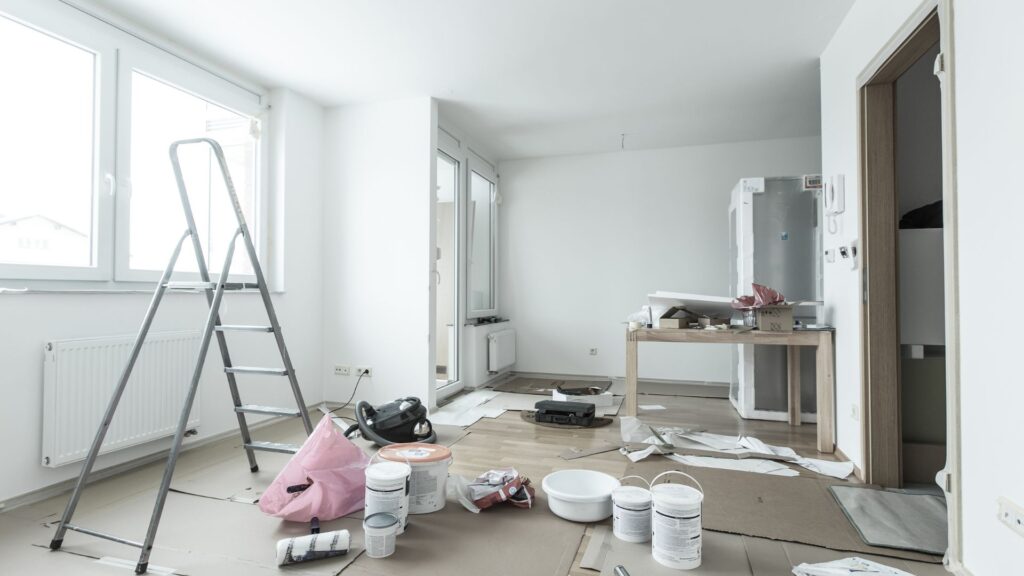
Embarking on a home improvement project is exciting. You get to reimagine your space, update outdated finishes, and finally fix what has been bothering you for years. But once the renovation starts, reality hits fast: dust in the air, tools everywhere, and furniture pushed into corners.
If you are a homeowner planning a renovation in Dallas, Texas, you may be wondering how to protect your belongings without turning your house into a warehouse. The good news is that protecting your furniture during a home renovation is completely manageable with the right strategy.
This guide breaks down the best ways to protect what you own, reduce the risk of dust and damage, and make your home improvement journey far less stressful.
Why Protecting Your Furniture Matters During Renovation
A renovation is not just noise and paint. It involves construction equipment, power tools, sanding, cutting, and sometimes demolition. That means dust and debris travel farther than you think.
Even if you are only updating one room, airborne particles can move through vents, settle into carpet fibers, and cling to textile surfaces like your couch or blanket. Without proper storage or protection, you risk:
- Permanent stain marks from paint
- A scratch or dent on wood surfaces
- Mildew growth in humid areas
- Warping caused by moisture
- Loose debris is damaging fragile items
One of the best ways to protect your investment is to plan ahead before the remodeling project begins.
Assess the Scope of Your Home Renovation First
Before deciding how to store furniture, look at the scope of your renovation. Are you working on a single kitchen update or a full house remodeling in Irving, TX?
A minor painting project may only require protective covers and plastic sheeting. A major renovation that affects flooring, walls, or multiple parts of your home often requires temporary storage or relocation.
Ask yourself:
- Will contractors need full access to the space?
- Is new flooring being installed?
- Will heavy-duty equipment be used?
- How long will the renovation process last?
The home renovation process determines how intensive your protection plan needs to be.
Move or Store Furniture? Choosing the Right Storage
One of the biggest decisions during a home remodel is whether to leave items inside the home or move them elsewhere.
When Leaving Furniture Makes Sense
If you are renovating one room at a time, moving furniture into a storage room or unused space inside your home might work. Use a tarp, drop cloth, or heavy-duty plastic sheeting to cover everything securely.
However, simply leaving furniture uncovered is not enough. Dust will settle into fabric and joints.
To safeguard everything properly:
- Wrap items with stretch wrap
- Use protective covers and bubble wrap for fragile items
- Disassemble large furniture pieces when possible
- Elevate items slightly off the floor
This approach works best for short, contained projects.
When a Storage Unit Is the Better Storage Option
During a major renovation, especially one involving flooring replacement or structural changes, storing your furniture outside the home is often the safer option.
Choosing the right storage option can mean:
- A secure storage container delivered for on-site storage
- A climate-controlled storage unit
- Working with moving and storage professionals
Climate-controlled storage is essential in Dallas, Texas. Humidity can contribute to mildew, warped wood, and damaged textile pieces. A climate-controlled facility regulates temperature and moisture to prevent damage.
When choosing the right storage, look for:
- Climate control
- Security measures like gated access
- Clean, dust-free conditions
- Flexible short-term storage options
- Reliable storage companies with good reviews
Proper storage ensures your belongings are safe while the renovation is complete.
How To Protect Your Belongings Inside the Home
If you are not using off-site storage, you must build layers of protection.
Use High-Quality Protective Materials
Basic thin plastic is not enough. Invest in:
- Heavy-duty plastic sheeting
- Tarpaulin or tarp
- Drop cloth for painting areas
- Bubble wrap for corners and fragile items
- Stretch wrap to secure drawers and doors
Cover wooden surfaces with a blanket protector before adding plastic layers. This helps prevent moisture buildup and reduces the risk of dents or scratches.
Seal Off Construction Zones
Dust control is critical. Professional contractors often use:
- Plastic sheeting barriers
- Zipper door systems
- HEPA air filter and air purifier systems
- Vacuum systems connected to power tools
A HEPA filter captures microscopic particles, protecting belongings from dust and improving air quality. This is especially important if you are living in the house during the remodeling process.
Special Considerations for Large Furniture and Fragile Items
Large furniture, like a couch, coffee table, or dining chair, requires extra attention. If possible, move these pieces to another room or off-site storage.
For fragile items:
- Wrap with bubble wrap
- Place in sturdy boxes
- Label clearly
- Store in secure storage areas
Never stack heavy items on top of delicate ones. Even a small shift can crack glass or scratch surfaces.
Flooring Projects Require Extra Caution
If you are replacing carpet, tile, or hardwood floor surfaces, dust levels increase significantly.
Sanding and cutting materials release fine particles that cling to fabric and furniture.
Working with professional flooring contractors in Irving, TX can help reduce the mess because experienced teams use proper debris containment methods and specialized vacuum equipment.
During flooring renovation:
- Remove all movable furniture
- Use proper storage for large items
- Protect nearby rooms with sealed plastic barriers
Flooring work is one area where removing everything from the affected space is often the safest choice.
Kitchen and Bathroom Renovations: Hidden Risks
Kitchen and Bathroom spaces create additional hazards like water exposure, moisture, and chemical fumes from paint and sealants.
If you plan to renovate these areas, consider custom kitchen remodeling services or expert bathroom remodeling services that understand how to contain dust and debris properly.
Moisture in particular increases the risk of mildew forming on employees’ belongings from dust if airflow is not controlled. Climate control and ventilation matter here.
Do You Need Moving Companies or Portable Storage?
For larger projects, especially full-house remodeling in Irving, TX, hiring moving companies for relocation may be worth the investment.
Portable storage or a self-storage facility gives you storage to keep items safe until the renovation is complete. Some storage facilities also offer moving and storage packages, which can make the transition much easier.
This is especially helpful if you are temporarily moving out to make your home more functional during construction.
Choosing the right storage provider reduces stress and ensures your belongings are handled professionally.
Ways To Minimize Dust and Damage Every Step of the Way
Even with storage solutions in place, you still want to reduce the risk inside your house.
Ways to protect your belongings include:
- Installing temporary air purifier units with HEPA filtration
- Blocking HVAC vents in active construction zones
- Scheduling regular cleanup during the renovation
- Keeping high-traffic areas clear of unnecessary items
These small steps make a big difference in preventing dust and damage.
Experienced teams like an interior remodeling contractor in Irving, TX, understand that home improvement is not just about transformation. It is about protecting what already exists in your space.
Communication Is Part of Protection
If you are embarking on a home renovation in Dallas, Texas, talk openly with your contractor.
Ask about:
- Dust containment plans
- Security measures for tools and materials
- Furniture storage recommendations
- Timelines so you can arrange short-term storage
Good contractors see protecting your furniture as part of the renovation process, not an afterthought.
The Best Protection Starts With Planning
Many homeowners wait until the day construction begins to think about furniture storage. That is when mistakes happen.
Protecting your furniture requires:
- Planning before demolition
- Choosing the right storage solution
- Using protective covers properly
- Considering climate-controlled environments
- Being proactive about dust control
When you renovate with preparation in mind, you prevent damage instead of reacting to it later.
Conclusion
Protecting your furniture during renovation does not have to feel overwhelming. With realistic planning, proper storage, and smart dust control, you can keep your items safe while transforming your home. Whether you are updating one room or tackling a major remodel in Dallas, Texas, preparation is everything.
If you want guidance from professionals who understand both construction and care, reach out to Build Strong Construction & Remodeling at +1-972-802-3107 and make your renovation smoother from day one.