
How to Choose the Right Flooring: Smart Tips for Every Room & Budget
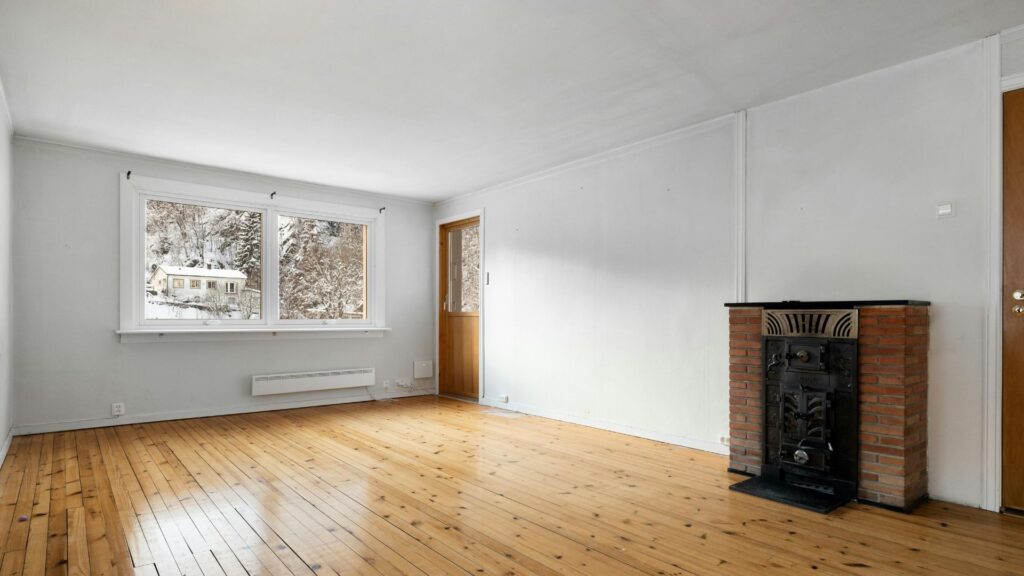
Trying to figure out how to choose the right flooring for your home can feel like wandering through a maze of materials, finishes, and features. With so many different flooring types available, each offering its own blend of beauty, durability, and cost, it’s easy to get overwhelmed.
This guide breaks everything down in plain English to help you select the right flooring material for every room, situation, and budget.
Whether you’re renovating a cozy bedroom or updating a high-traffic kitchen, here’s how to choose the best floor for the job — and feel confident doing it.
Consider Your Lifestyle Before You Choose the Right Flooring
Before diving into finishes or patterns, take a moment to reflect on your household.
Do you have pets that shed and scratch? Kids who spill juice? Maybe you just want something easy to clean and maintain. Different flooring types respond differently to daily wear and tear.
Questions to consider when choosing:
- How much foot traffic does the room get?
- Is the room exposed to moisture (like bathrooms or laundry rooms)?
- Do you need floors that are scratch-resistant or waterproof?
- Are allergies a concern in your household?
By answering these up front, you’ll narrow down your options and focus on what matters most to your lifestyle.
Flooring Materials 101: Understanding Key Options
You don’t have to become a flooring expert overnight, but it helps to understand what each material offers. Here’s a breakdown of common flooring materials and why you might choose them.
Hardwood and Engineered Wood Flooring
Hardwood flooring is a timeless flooring option known for warmth and value. It’s made from solid wood species like oak, maple, or walnut. You can refinish it multiple times over its lifespan.
- Pros: Long-lasting, adds warmth, improves home value, can refinish
- Cons: Expensive, susceptible to moisture and heat
Solid hardwood is one piece of wood from top to bottom, while engineered hardwood flooring features multiple layers of wood pressed together in a durable plank. The top layer is real wood, which gives you that natural look of hardwood.
- Better for high humidity spaces than solid hardwood
- Installation is often easier
Choose solid hardwood or engineered wood floors if you’re after beauty, prestige, and a long-lasting flooring material for living rooms or dining rooms.
Laminate Flooring
Laminate uses a high-resolution image of wood or tile printed on a composite base, topped with a tough wear layer.
- Pros: Budget-friendly, easy to clean, scratch-resistant
- Cons: Can’t refinish, not fully waterproof
Laminate wood flooring mimics the look of hardwood for a fraction of the price and is ideal for high-traffic areas where real wood flooring might not be practical.
Vinyl and Luxury Vinyl Flooring
Vinyl flooring products have leveled up in recent years. Luxury vinyl plank (LVP) and luxury vinyl tile (LVT) can convincingly mimic the look of hardwood or stone while adding superior waterproofing.
- Pros: Waterproof, durable flooring, affordable, many styles like luxury vinyl plank or tile
- Cons: Not as long-lasting as hardwood
Sheet vinyl is another resilient flooring option that’s great for large areas, like basements or laundry rooms.
Look into rigid core flooring under the luxury vinyl umbrella if you need extra resilience and a firmer underfoot feeling.
Tile Options: Ceramic and Porcelain
Tile is a go-to for bathrooms and kitchens, thanks to its waterproofing and easy maintenance.
Ceramic tile is made from clay and is typically more budget-friendly.
Porcelain tile is denser and more durable, making it perfect for high-traffic areas or outdoor patios.
- Pros: Waterproof, heat-resistant, available in many designs
- Cons: Hard underfoot, can crack on impact
Ceramic or porcelain tile can even come as planks that mimic the look of hardwood, giving you a high-end floor with added durability and waterproof qualities.
Carpet: Softness for Bedrooms and Cozy Spaces
Nothing beats the comfort of carpet in a bedroom or cozy living room. Available in endless colors and textures, it adds warmth and absorbs sound.
- Pros: Soft, quiet, affordable
- Cons: Stains easily, not great for allergies, wears over time
While not ideal for high-moisture rooms, carpet remains one of the best flooring options for kids’ rooms and relaxed spaces.
Choosing the Right Flooring for Every Room
Different rooms have different demands, which affects your choice of flooring. Let’s walk through the best options for common home zones.
Kitchen and High-Traffic Areas
For high-traffic areas like kitchens, opt for durable flooring that’s also waterproof and easy to clean.
- Best options: Porcelain tile, luxury vinyl plank, engineered hardwood flooring, high-quality laminate
Avoid solid hardwood in areas where moisture is a concern, unless you’re fully committed to maintenance.
Living Rooms
Living rooms thrive on aesthetic appeal, comfort, and durability.
- Top choices: Solid hardwood flooring, engineered wood, laminate, or even carpet for a plush, inviting feel
Add warmth and timeless flooring appeal by choosing natural wood textures or textured laminate flooring.
Bedrooms
Since bedrooms see less wear and tear, your choice focuses more on comfort and style.
- Ideal picks: Carpet, laminate, wood flooring, vinyl flooring
Consider how a floor feels under bare feet and how it contributes to sound insulation.
Bathroom & Laundry Room
Moisture is the enemy here. Floors need to be waterproof, non-slip, and easy to clean.
- Best choices: Porcelain tile, ceramic tile flooring, luxury vinyl, sheet vinyl flooring
Avoid laminate or solid wood in these rooms as they tend to warp with exposure to water and humidity.
Basement
Basements often deal with humidity and temperature change, so choose a flooring type that’s moisture-resistant and flexible.
- Best options: Luxury vinyl flooring, rigid core vinyl, tile, or laminate designed for damp areas
If your basement is regularly wet, skip wood products completely and lean into waterproof flooring materials.
What to Consider When Choosing Flooring Materials
Now that you’ve narrowed your options, weigh these practical factors.
- Flooring cost: Budget wisely for materials, underlayment, labor, and prep work
- Durability: How well does the flooring stand up to foot traffic, kids, pets, or appliances?
- Maintenance: Some floors can be a mop-and-go dream; others may need regular sealing or refinishing
- Aesthetics: Think of your home’s interior design, existing furniture, and color schemes
- Climate and moisture: Especially important for solid hardwood and laminate
- Installation complexity: Are you DIYing or hiring professionals?
Still unsure? Try visiting local showrooms or working with trusted professionals like flooring contractors in Irving, TX, who can guide you based on the layout and conditions of your home.
Comparing Different Flooring Products at a Glance
Here’s a quick comparison table to help you choose the right type based on the most important traits.
Flooring Type | Waterproof | Scratch-Resistant | Refinishable | Cost Range | Best Use
|
|---|---|---|---|---|---|
Solid Hardwood | No | Medium | Yes | $$$$ | Living Room, Dining Room |
Engineered Wood Flooring | Somewhat | Medium | Once | $$$ | Bedrooms, Living Rooms |
Laminate Wood Flooring | Somewhat | High | No | $$ | High-Traffic Areas |
Luxury Vinyl Plank | Yes | High | No | $$ | Kitchen, Bathroom, Basement |
Ceramic or Porcelain Tile | Yes | High | No | $$ to $$$ | Bathroom, Kitchen, Outdoor |
Carpet | No | Low | No | $ to $$ | Bedrooms, Low-Traffic Areas |
Installing Your Flooring: Final Thoughts
Once you’ve made your selection, the next step is installing your flooring. Whether it’s locking planks, adhesive tiles, or glued-down hardwood, the surface must be prepped properly to ensure longevity and performance.
Many homeowners in Dallas opt for professional installation to ensure the flooring materials are laid efficiently and according to warranty guidelines.
If you’re working with an irregularly shaped room, professionals can also help ensure precise cuts and design flow.
Conclusion: Find the Perfect Flooring for Your Home
At the end of the day, the best flooring is one that balances form and function specific to your space. Consider your budget, your lifestyle, and the room’s purpose — these are the pillars of smart flooring decisions.
Still have questions? Don’t worry — the pros at Build Strong are here to help you choose the best floor for your renovation or new build. Reach out or visit us to plan your next steps with confidence.
Let your floors reflect your lifestyle — and let every room shine.