
How Long Does a Wood Deck Last? Tips to Extend Its Life and Value
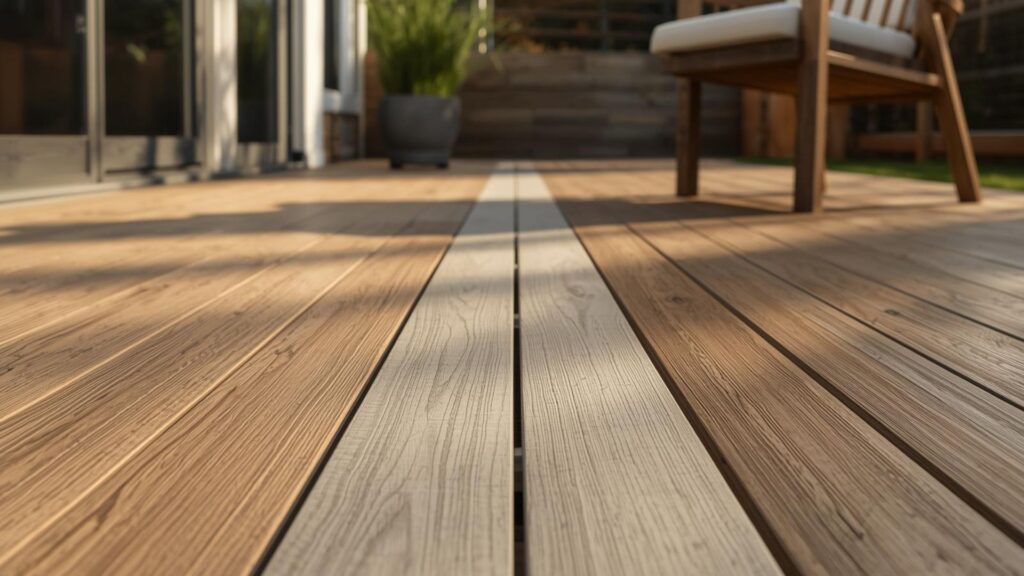
If you’re building or maintaining an outdoor space and wondering how long does a wood deck last, you’re not alone. For many homeowners, a deck is more than just a place to relax; it’s an investment in comfort, style, and, over time, property value.
But let’s face it: whether you’re installing a new deck or trying to squeeze a few more years out of an older one, knowing how long your deck will last is crucial for planning and budgeting. Let’s break it down and make sense of what affects the life expectancy of a wooden deck, how it compares with composite options, and what you can do to keep your deck looking and performing its best.
What’s the Average Lifespan of a Wood Deck?
The lifespan of a wood deck can vary significantly. Generally, a well-maintained wooden deck lasts 10 to 15 years, though this range is only a baseline. Factors like climate, the type of wood used, how often you perform deck maintenance, and how it’s treated all come into play.
Types of Wood Decks and How Long They Last
The type of wood (also called wood species or wood type) greatly influences how long a wood deck can last.
Here’s how different types of wood decks stack up:
Type of Wood | Average Lifespan | Durability
|
|---|---|---|
Pressure-treated wood | 10-15 years for treated wood | Moderate |
Cedar | 15-20 years | Good (natural oils help resist rot) |
Redwood | 20+ years | Strong rot resistance |
Ipe (Handroanthus) | 25-40 years | Excellent (very dense hardwood) |
Untreated wood | 5-10 years for untreated wood | Low |
Hardwoods tend to last longer, especially species like ipe and mahogany. Softer species like pine need more regular maintenance.
Wood Deck Lifespan Depends on More Than Wood Type
Even the best kind of wood won’t last as long if it’s not cared for. How long your deck lasts also depends on:
- Moisture levels (snow, rain, and humidity can damage the wood)
- UV exposure (sunlight can bleach surfaces and break down wood fibers)
- Construction materials (joists, screws, and beams affect structural integrity.
- Deck maintenance and upkeep
How Climate Affects the Deck’s Lifespan
In places with variable weather, like Dallas, Texas, your deck faces everything from hot summers to heavy rainstorms. Moisture causes the wood to expand and contract, leading to cracks and, eventually, rot. Combined with intense UV rays, this can reduce your deck’s lifespan if not properly addressed.
Deck Materials: Wood vs Composite Deck
Choosing between a wood and composite deck is one of the most critical decisions homeowners make.
Wood Deck
Pros:
- Authentic appeal: Offers natural beauty and texture.
- Lower initial cost: Less expensive upfront than composite.
- Customizable: Easy to stain, paint, or reseal.
Cons:
- Maintenance-heavy: Needs regular cleaning, staining, and sealing.
- Shorter lifespan: Even a well-built wooden deck won’t last as long without serious care.
Composite Deck
Composite decks are made of wood fibers combined with plastic (composite material) – this boosts their durability.
Pros:
- Low maintenance: No staining, sealing, or painting required.
- Durability: Resistant to rot, insects, moisture, and UV.
- Long-lasting: Can exceed 25-30 years.
Cons:
- **More expensive **initially
- Less natural look: Some composites closely mimic wood, but purists might still prefer real wood.
Wood vs composite comes down to your budget, preference for aesthetics, and willingness to invest time in upkeep.
What Can Damage a Wood Deck Over Time?
Knowing what eats away at deck longevity can help you catch problems early. The main culprits include:
- Water: Heavy rain, snow, and constant humidity lead to mildew, mold, and rot.
- Sun (UV rays): Breaks down the wood’s natural oils, leading to splintering and fading.
- Debris and leaves: Traps moisture that causes the wood to soften and rot.
- Insects: Termites and carpenter ants burrow into wood, damaging its structural integrity.
- Improper deck construction: If the deck substructure and screws aren’t installed correctly, the entire deck can fail prematurely.
Signs Your Deck Is Going Bad
Keep an eye out for these signs of wear so you can address them before replacing the deck:
- Warping or cracking deck boards
- Soft spots in the wood
- Rust on fasteners like screws or joist hangers
- Mold or algae on the deck surface
- Sagging or unstable railings
If these red flags show up, your deck may be on its last leg.
Tips to Extend the Life of Your Wood Deck
How long do wood decks last? That depends heavily on maintenance and care. Fortunately, there are proven ways to get the most years out of your wood deck.
1. Regular Maintenance Matters
Consistent care helps preserve your wood deck and enhances its durability.
- Clean your deck every season using pressure washing or a wood-safe cleaner.
- Seal your deck every 1-2 years to protect it from moisture.
- Stain or oil the deck to protect against UV and keep your deck looking like new.
- Inspect for rot and damage annually, especially after rainy seasons.
2. Use the Right Materials
Start with durable, weather-resistant wood (like cedar or ipe), and invest in quality deck substructure hardware to prevent rust and structural issues.
- Use galvanized or stainless-steel screws to prevent rust.
- Consider treated wood or composite lumber for added resistance to moisture and insects.
3. Protect the Deck Surface
- Remove snow and debris promptly.
- Place mats under furniture to prevent scratches.
- Ensure water drains properly to avoid pooling.
Regular maintenance and smart practices protect the deck from UV rays, moisture, and wear and tear from daily use.
When to Consider Replacing the Deck
Even with proper deck cleaning and care, a time comes when repairs aren’t enough. Some signs your deck needs replacing include:
- Rotten beams or joists
- Widespread deck board damage
- The deck doesn’t feel sturdy
- Repeated costly repairs
If your deck can’t pass a safety inspection or is over 20 years old, replacing the deck might be the smart move.
Building a Long-Lasting Deck in Dallas
If you’re in the Dallas, Texas area and want a deck that’s built to last, partner with professionals who understand the local climate and use quality deck materials. At Build Strong, we provide services to ensure your deck remains safe, stylish, and strong for years to come.
And if you’re considering shade or style upgrades, explore our patio and deck covers in Irving TX to enhance your outdoor space while protecting your wood investment.
Final Thoughts: How Long Will Your Wood Deck Last?
To sum it up, the lifespan of a wood deck hinges on the type of wood, the weather, and how well you maintain your deck year-round.
- Decks are made to be enjoyed, but they won’t last as long without care.
- If you prefer less maintenance and longer life, investing in composite decking may be worth the cost.
- For traditional wood lovers, wooden deck maintenance helps extend the life of your deck well beyond the average.
Whether you’re replacing an aging deck or building a new deck, remember: a deck can last for decades if it’s constructed properly and cared for regularly.
So go ahead, get out there, remove the debris, seal your wood, and keep an eye out for any signs of rot. Your deck’s lifespan depends on it.
Need help choosing the best wood options or creating a deck design that’ll last? Follow us for expert insights, or reach out to ensure your wood deck is a lasting part of your home.