Top Benefits of Roof Insulation: Maximize Comfort and Savings
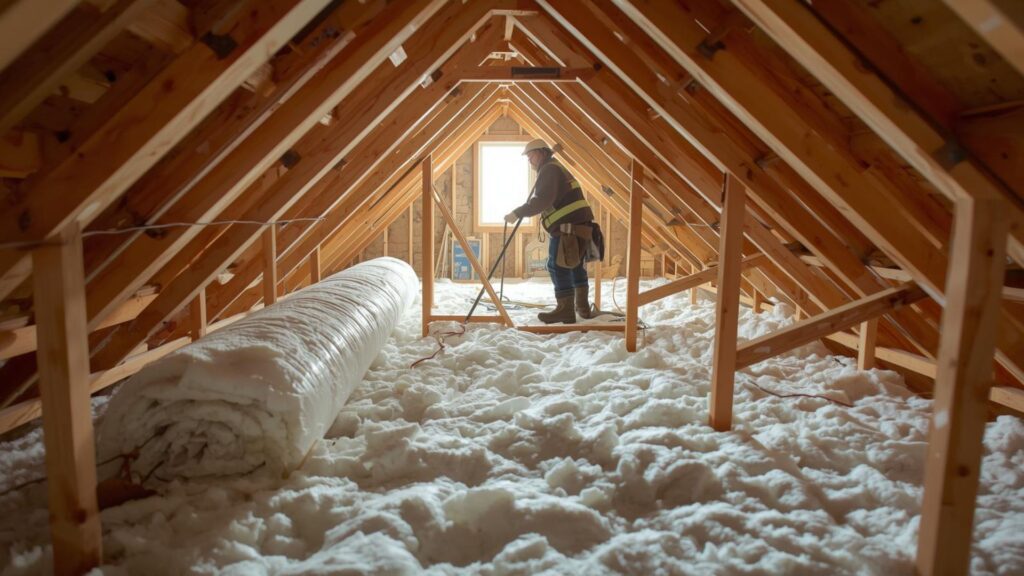
If your energy bills in Dallas have been creeping up or you notice your home just can’t hold heat in the winter or stay cool in the summer, you’re not alone. One area often overlooked is what’s above your head: your roof. More specifically, how well your roof is insulated.
Understanding the benefits of roof insulation can help you create a more energy-efficient, comfortable living environment while trimming down monthly costs. Let’s break it all down in plain English.
Why Insulation Matters for Your Roof
Insulation is one of the most practical and cost-effective ways to improve your home’s energy efficiency. Your roof plays a significant role in how energy moves through your house. Without proper roof insulation, heat transfer becomes a problem. In summer, your attic can become a heat trap, and in winter, you can lose warm air fast.
How Insulation Works
Think of insulation as a thermal barrier, slowing the flow of heat between the inside and outside of your home. Whether it’s hot or cold outside, good insulation helps keep the temperature inside the house more stable.
Thermal insulation materials reduce heat conduction, radiation, and convection. This means less heat escaping in the winter and less heat entering during the summer.
The Key Benefits of Roof Insulation
Let’s walk through how roof insulation can save you money, make your home more comfortable, and even help the planet.
1. Reduce Heat Transfer and Improve Temperature Control
Heat naturally flows from warmer areas to cooler ones. During winter, that means the warm air inside your home tries to escape through the roof. In summer, the sweltering Dallas sun can bake your roof tiles, turning your attic into an oven.
Roof insulation provides resistance to heat flow, which reduces the amount of heat loss in winter and minimizes heat gain during summer. This is especially critical in homes with flat ceilings or exposed attic spaces.
2. Boost Energy Efficiency and Cut Utility Bills
Heating and cooling costs take up a huge portion of the average household budget. But with the right insulation in place, your HVAC system won’t have to work as hard. The result? Lower energy bills and a longer lifespan for your heating, ventilation, and air conditioning (HVAC) system.
Here’s how insulation helps keep your home energy bills in check:
- Reduces the amount of heat that escapes through your roof
- Limits how much outside heat seeps in during summer
- Keeps warm air inside longer in winter
In short, roof insulation can help you use less energy and save more money.
3. Create More Comfortable Living Spaces
No one likes a drafty bedroom or a stifling hot attic. Insulation helps stabilize temperature differences between rooms, especially in two-story homes or homes with loft spaces.
By insulating the attic and roof deck, your living spaces can become more balanced in temperature year-round. This makes room temperatures more predictable and gets rid of hot and cold spots, especially in upstairs bedrooms or finished attic areas.
Understanding the Structure: How Your Roof System Plays a Role
When considering an insulation project, it’s helpful to know how your roof and attic space are built. The structure includes important elements like:
- Roof deck: This is the flat surface that supports the roof covering (like roof tiles or shingles).
- Joists: These are the horizontal beams that support the weight of the roof and ceiling.
- Ceiling: The ceiling helps create an interior boundary between living spaces and the attic above.
- Attic floor: Adding insulation here is a common and cost-effective method to improve energy performance.
Each of these components matters when deciding how much insulation you’ll need and what insulation material is best.
Different Types of Insulation for Your Roof and Attic
There are several insulation options depending on your goals and roofing system. The insulation you choose should reflect your home’s unique layout, climate challenges in Dallas, and budget.
Common Types of Insulation
Here are the most widely used insulation types for roofs and attics:
1. Fiberglass Insulation
- Made from fine fibers of glass
- Comes in batts or rolls
- Common for attic floors and flat ceiling areas
- Affordable and widely available
- Moderate insulation r-values and easy to install
Note: If your home has current insulation like fiberglass batts but is still uncomfortable year-round, you may need to add insulation to increase efficiency.
2. Spray Foam Insulation
- Applied as a liquid, then expands to fill gaps
- Provides excellent air sealing
- High R-value per inch
- Great for complex roofing systems and small spaces
- More costly but delivers great energy savings
3. Blown-In Insulation (Loose-Fill)
- Uses a blowing machine to fill attic cavities
- Can be fiberglass, cellulose, or mineral wool
- Uniform coverage reduces thermal bridges
- Ideal for attics with irregular layouts or many joists
4. Rigid Foam Insulation Board
- Sheets of foam that provide high R-values
- Great for installing over roof decks or in new construction
- Common with slate roofs and tiled roofing systems
- Reduces thermal conduction significantly
Each insulation material comes with pros and cons. The insulation performs differently depending on where it’s installed and how thickly it’s applied.
What’s the Right R-Value for a Dallas Home?
The R-value measures an insulation’s resistance to heat flow. Higher R-values = better insulation performance. The recommended insulation r-values for attics in Dallas typically range from R-30 to R-60, depending on the insulation thickness and type.
If you’re unsure about your current insulation levels, a professional inspection can tell you how your insulation compares to recommended standards. Roof insulation depends on factors like ventilation, roof structure, and attic temperature.
Don’t Overlook Ventilation and Air Sealing
While adding insulation improves temperature control, ventilation is just as important. Proper airflow in the attic:
- Prevents moisture buildup and condensation
- Extends the lifespan of roof materials
- Enhances the insulation’s effectiveness
Pairing insulation with air sealing helps prevent air leaks around recessed lighting, attic doors, and holes for pipes or wiring. Combined, you create a well-insulated and well-ventilated attic system that functions smoothly year-round.
Prevent Heat Loss and Protect Your Roof
Insulating the attic can help prevent heat loss that escapes through the ceiling and roof deck, especially during cold Dallas winters. If your home feels drafty despite running the heat pump or furnace, chances are heat is sneaking out through an uninsulated roof.
Even better, insulation also helps prevent overheating in summer when attic temperatures climb. That makes your HVAC system more effective and reduces wear and tear.
Moisture, Condensation, and Vapor Barriers
A common question we get is: Will insulation trap moisture?
The answer: not if it’s installed correctly.
A proper system includes a vapor barrier, which limits the movement of moisture through walls, ceilings, and attic floors. This helps prevent:
- Condensation in the roof and wall cavities
- Moisture damage from temperature changes
- Mold, mildew, and ruined drywall
Pairing your insulation with a vapor barrier and solid ventilation ensures your home stays dry and energy-efficient.
When Should You Add Insulation?
Here are a few signs your home might need insulation:
- Rooms above the garage or attic are always hotter or colder
- You’ve got inconsistent indoor temperatures
- Your energy bills are steadily climbing
- There’s little or no insulation in your attic floor
- You see gaps or inconsistencies in your attic’s insulation coverage
If you’re living in an older or uninsulated home, adding insulation can be one of the smartest upgrades you’ll make.
You’ll Need a System That’s Right for Your Roof
The amount of insulation, the thickness of the insulation, and even the location (attic floor vs. roof deck) all play factor in how well insulation performs.
A consultation with a specialist can help determine:
- Whether you need ceiling or roof deck insulation
- Which building insulation material is right for your attic space
- Whether your current insulation is adequate or needs an upgrade
Additional Things to Keep in Mind
Insulation is One Part of a Bigger Puzzle
In domestic roof construction, insulation works best when combined with other components:
- Quality roof surface
- Durable roof tiles
- Efficient ventilation (architecture) systems
- Proper siding (construction) and wall insulation
Each component helps boost the total home energy performance.
Professional Installation vs. DIY
While some homeowners try a DIY approach, a professional installation ensures:
- Correct R-value for your climate
- Effective placement without gaps or thermal bridges
- Integration with your existing HVAC and roofing system
If you’re looking to get started with a trusted expert, we recommend checking out our professional roofing services for guidance tailored to Dallas homes.
Conclusion: Discover the Benefits of Roof Insulation for Your Home
In a climate like Dallas, where summers are blazing, and winters surprise with freezing nights, roof insulation isn’t just helpful – it’s essential.
To recap, insulating your roof can:
- Keep your home warm in winter and cool in summer
- Help reduce heat loss and control attic temperature
- Improve energy efficiency and lower utility bills
- Enhance overall comfort and prevent costly moisture issues
- Maximize the longevity of your roofing and HVAC systems
Still not sure how much insulation you need or if your current insulation is up to par? You don’t have to figure it out alone. Explore the latest home insulation tips or connect with experts who know the ins and outs of Dallas roofing.
Smart insulation decisions today can lead to significant energy savings tomorrow. Whether you choose fiberglass insulation, spray foam insulation, or rigid foam insulation, the right approach can help turn your home into a comfortable, efficient haven, season after season.