
Do I Need a Permit to Remodel My Kitchen? What You Must Know First
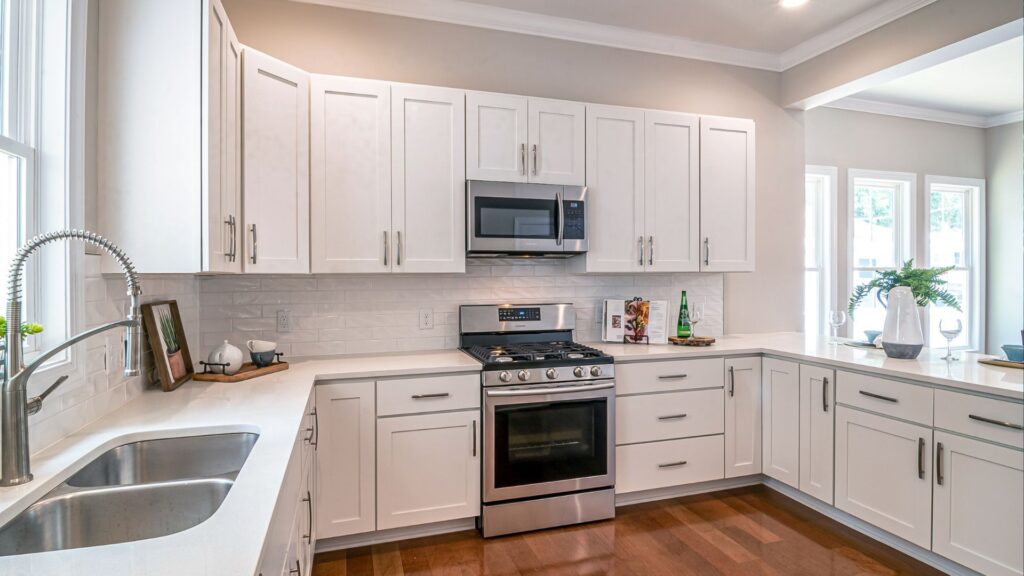
Thinking about a kitchen remodel? You might be wondering: Do I need a permit to remodel my kitchen in Dallas, Texas? The short answer is: it depends on the scope of work.
Many homeowners get confused trying to understand when a permit is required, what kind, and how to handle the process. If that’s you, you’re not alone. This guide will walk you through the essentials of kitchen remodeling permit requirements in plain English, so you can feel confident and stay in compliance.
When Do You Need a Permit to Remodel Your Kitchen?
In Dallas, Texas, whether or not you need a permit to remodel your kitchen depends on the type of work you’re doing. Permits help ensure the work is done safely, up to building code, and does not affect your home’s structure or safety.
Permit Requirements Based on Scope of Work
Here’s a general breakdown of what typically requires a permit:
- Structural changes (e.g., removing or moving a wall)
- Plumbing work (e.g., relocating the sink or gas line)
- Electrical work (e.g., installing new outlets or lighting)
- HVAC changes (e.g., upgrading a vent hood or ducting)
- Installing new windows or doors (especially if modifying openings)
- Significant changes to the kitchen layout
Meanwhile, simply replacing kitchen cabinets, countertops, or appliances often does not require a permit, as long as you’re not touching plumbing or electrical systems.
Quick Tip: Always check with your local building department before starting your remodel. They can help clarify what permits are required for your specific project.
What Type of Permit Is Required?
Depending on your kitchen renovation, multiple permits might be required. Some of the most common include:
1. Building Permit
A building permit is required to construct, enlarge, or alter a structure. If your kitchen reno involves structural changes such as moving walls or expanding the kitchen’s footprint, a building permit is necessary.
2. Electrical Permit
If you’re adding or moving outlets, installing lighting, or modifying any wiring, an electrical permit is likely needed. Work like installing a kitchen hood or updating old electrical wiring qualifies.
3. Plumbing Permit
Changing plumbing lines, moving the sink, or modifying any gas lines requires a permit for plumbing. This ensures safety and regulatory compliance with water and gas systems.
4. Mechanical Permit (if applicable)
Venting systems, including kitchen hoods and ductwork, may require a permit if changes are being made.
Permit Is Not Required For…
There are cases where you won’t need to bother with permits, usually when work is minimal:
- Simply replacing cabinets or countertops (no structural, electrical, or plumbing changes)
- Painting walls or updating flooring
- Installing new appliances that don’t affect the electricity, gas, or plumbing
- Changing your backsplash
Still, when in doubt, always check with the local building division in Dallas. Taking the extra step can save costly issues down the road.
Why You Shouldn’t Skip the Permit
It might be tempting to skip the permit process to save time or money. But working without a permit can have serious consequences:
- Failed inspection: Unpermitted work discovered during inspection may need to be removed or redone.
- Insurance issues: Insurance might not cover damage caused by unpermitted upgrades.
- Resale problems: When you sell your home, unpermitted work can delay or derail the sale.
- Safety risks: Poorly done electrical wiring or plumbing can lead to fires, mold, indoor mold, or even structural issues.
How to Pull a Permit for a Kitchen Remodel
The permit process might sound intimidating, but it’s manageable—especially if you hire reputable contractors familiar with Dallas’s building codes and local building department rules.
4 Steps to Get the Proper Permits
- Plan your kitchen remodel carefully
Know your full scope of work, including details like leveling floors, moving walls, plumbing, electrical wiring, and installing cabinets. - Submit a permit application
Head to the Dallas building division office or online portal to submit plans along with your permit application. - Receive approval and pay fees
After a review by inspectors or engineers, your building permit is issued with any required conditions. - Schedule inspections
Once work is underway, inspections are required at different stages to ensure safety and code compliance.
Contractor Tip:
If you’re working with a contractor, they often handle the permit application and approvals on your behalf. Ask upfront to confirm who will pull a permit and manage the process.
Common Kitchen Reno Work That Requires Permits
Let’s clarify a few scenarios that Dallas homeowners frequently ask about:
Renovation Task | Permit Needed?
|
|---|---|
Replacing kitchen cabinets | No (if no plumbing/electrical) |
Moving sink or dishwasher | Yes (plumbing permit required) |
Installing new gas appliances | Yes (plumbing + gas permit) |
Updating outlets or lighting | Yes (electrical permit) |
Removing a wall to open kitchen space | Yes (building permit) |
New layout including appliance move | Yes (multiple permits may be needed) |
As you can see, depending on the scope, a permit may or may not be necessary.
Do I Need a Permit to Remodel My Kitchen in Dallas?
To recap: do I need a permit to remodel my kitchen in Dallas? Yes, if your remodel includes any structural, plumbing, or electrical changes. Even updating a floor or installing a kitchen hood could trigger the need for inspections or permits depending on your home’s setup.
You do not usually need a permit if you’re:
- Installing new countertops without moving anything
- Simply replacing cabinets (no wiring or plumb changes)
- Replacing appliances using existing connections
But if you’re doing more than cosmetic updates, you’ll need to get a permit to remodel legally and safely.
Why Permits Matter for Dallas Homeowners
Getting the proper permits isn’t just about checking boxes. It’s about protecting your home, staying compliant with zoning laws, and ensuring your renovations don’t void insurance or lower property value.
By following the right steps, you’ll also gain peace of mind knowing:
- The work is done safely
- The home complies with city building codes
- You’ll avoid potential penalties or legal issues
FAQs • Do I Need a Permit?
Do I need a permit to replace a backsplash?
Probably not, unless you’re moving outlets or installing new lighting in the area.
What if I already remodeled without permits?
You may need to file for a retroactive permit. Contact the Dallas building division to avoid fines and ensure compliance.
How long does it take to get a permit?
It varies depending on the scope of work but expect anywhere from a few business days for small projects to weeks for larger constructions.
Is it ever OK to skip a permit?
If you’re only making purely cosmetic updates with no ceiling, wall, door, or plumbing adjustments—then a permit is not required. But don’t make that call alone. Double-check with the building division.
Work With Trusted Experts
At Build Strong, we’re here to make your kitchen remodel seamless. Our team has deep experience navigating Dallas’s building codes, handling permit requirements, and delivering top results—without cutting corners.
From updating your kitchen design to replacing cabinetry, installing appliances, or transforming your existing kitchen into a dream space – we help verify compliance and get the job done right.
Conclusion: Don’t Skip the Permits
Whether you’re installing new kitchen cabinets, changing plumbing, or upgrading your countertops, it’s crucial to understand what permit is required and what work qualifies as exempt. The key takeaway? When in doubt, check with your local building department before starting any kitchen renovation.
Avoid costly mistakes, ensure your project passes inspection, and make sure your home improvement investment adds lasting value to your Dallas property.