Deck Railing Safety Standards Homeowners Need To Get Right
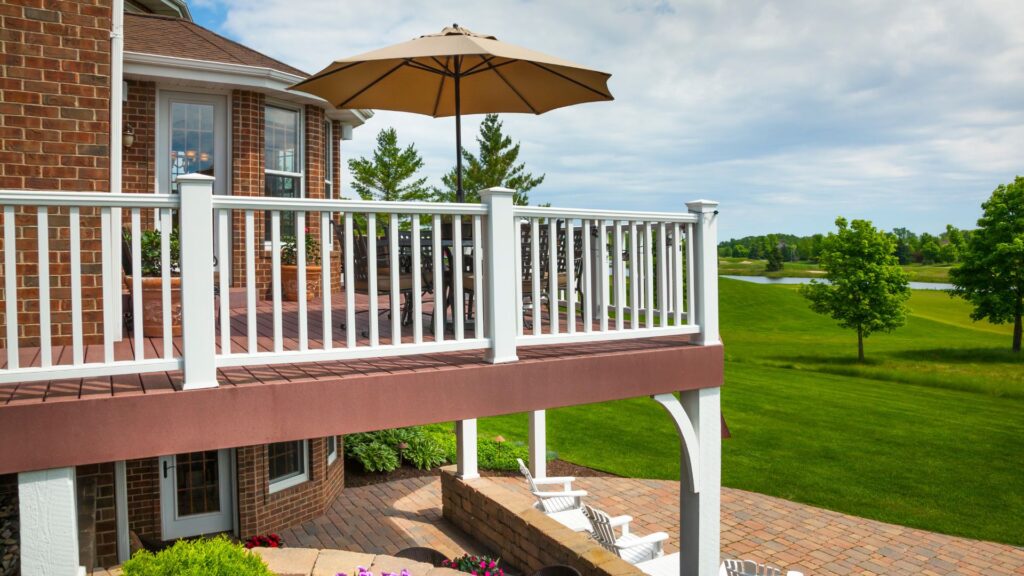
If you have a deck at home, the railing around it is doing more work than most people realize. It is not just a design choice or a finishing touch. It is a structural safety feature governed by specific rules that vary based on your deck height, location, and how the space will be used.
Getting these details wrong is not just a code violation. It is a genuine hazard, especially for children and anyone near an elevated surface. Here is what every homeowner should understand before building, replacing, or modifying a deck railing.
Why Deck Railing Height Codes Exist
The rules governing railing height are rooted in rigorous safety data regarding fall prevention. The International Residential Code (IRC), established by the International Code Council, dictates the baseline safety requirements for residential decks across most of the United States.
While most local municipalities adopt these standards directly, some regions implement stricter modifications. Here is the current standard:
- Residential Requirement: For any deck surface 30 inches or more above the ground, a guardrail with a minimum height of 36 inches is mandatory.
- Commercial/Multi-Family: A minimum height of 42 inches typically applies to commercial structures or multi-family dwellings under the International Building Code (IBC).
- The 4-Inch Rule: Beyond height, codes also mandate that balusters or infill must be spaced closely enough that a 4-inch diameter sphere cannot pass through any opening.
Because local building authorities may have specific amendments, especially in high-wind or coastal zones, always verify your plans with your local building department before beginning construction.
When Do You Actually Need a Railing?
Not every deck automatically requires a railing. Whether you need a railing depends on one key factor: deck height. Most jurisdictions require a railing when the deck surface is 30 inches or more above the surface below the deck.
If your deck sits close to the ground, you may not technically need one. That said, many homeowners consider installing a railing on a lower deck to enhance safety for children, pets, and guests, especially in areas with specific safety concerns like uneven terrain or landscaping features nearby.
For clarity, here is how the general threshold breaks down:
- Decks under 30 inches off the ground: railing not typically required
- Decks 30 inches or higher: railing required by most codes
- Specific safety concerns may require railings at lower heights, depending on the jurisdiction
Always confirm code requirements with your local building authorities before assuming your deck is exempt.
Railing Height Requirements: The Numbers That Matter
Understanding railing height requirements is straightforward once you know which code applies to your project. The International Residential Code sets the recommended deck railing height at 36 inches for most residential decks, measured from the deck surface to the top of the rail.
However, deck railing height can vary based on local regulations. Some jurisdictions, particularly those with commercial overlap or areas with stricter safety requirements, may require a deck railing height exceeding 36 inches. The International Building Code, which applies to commercial and multi-family buildings, typically sets the minimum at 42 inches.
If you are planning a deck and are unsure which code applies, consult a licensed contractor or your local building department. Railing building codes exist to protect lives, and regulatory compliance is not optional.
Baluster Spacing and the 4-Inch Rule
One of the most important and most overlooked aspects of deck railing is baluster spacing. The railing baluster spacing code is built around a simple concept: a 4-inch sphere should not be able to pass through any opening in the railing system.
This rule applies to the space between balusters, the space between the bottom rail and the deck surface, and the components of the railing assembly as a whole. The reason is straightforward. A child’s head can fit through gaps larger than 4 inches, making it a serious entrapment hazard.
This same rule applies to cable railing systems. The cables on cable railing systems must be tensioned properly so that a 4-inch sphere cannot pass through, even under pressure. If you are exploring different types of railing, such as wood, metal deck railing, or cable railing systems, each must meet this standard regardless of material.
Key Aspects of Deck Railing Construction
The railing system is one of the most regulated components of any outdoor structure. Here are the key aspects of deck railing that go beyond just height and spacing.
Top Rail Graspability
The top rail must be graspable in certain applications, particularly when the railing is adjacent to stairs. Stair treads and stair nosing create transition points where people are most likely to lose their footing, so the handrail must support a firm grip. This is especially important for ensuring safety and functionality on elevated decks with stairs.
Post Strength and Anchoring
Railing posts must be anchored to meet load-bearing requirements. A railing that looks solid but is not properly anchored is a major safety risk. This is one of the most common issues flagged during inspection by local building authorities.
Railing Materials and Durability
Different railing materials come with different performance expectations. Wood requires regular maintenance to prevent rot. Metal deck railing is durable but may need rust protection depending on the climate. Products from manufacturers like Trex Company, Inc. offer composite options that combine aesthetics with low maintenance and often come pre-engineered to meet code requirements.
Inspections and Local Code Compliance
Installing a railing is not just about getting the measurements right. Permits and inspections are part of the process for most elevated deck projects. Your local building codes and safety regulations will determine what is required before, during, and after construction.
Specific regulations regarding deck railing height, baluster spacing, and post anchoring must all be verified with codes in your area. Working with trusted local contractors ensures that your project meets every requirement from the start, rather than discovering problems during inspection.
If you are upgrading your outdoor space with custom patio and deck cover installation, or working with professional hardscape contractors, make sure deck railing safety is part of the conversation from day one.
For homeowners expanding their outdoor living with thoughtful landscaping, connecting your deck to a well-designed yard through expert landscaping services can also affect the planning around your railing needs, particularly if grade changes or elevation differences are involved.
Looking for inspiring deck railing ideas that also meet safety requirements? Focus on designs that prioritize both function and form. Important safety compliance and good aesthetics are not mutually exclusive. With the right materials and a qualified deck and patio contractor, you can build a railing system that meets safety standards while enhancing the look and feel of your deck.
Conclusion
Deck railing safety is not something to guess at. The stakes are too high, and the rules exist for good reason. Whether you are building new, replacing an aging railing, or simply checking if what you have meets current standards, taking the time to understand railing height requirements, baluster spacing, and local building codes protects everyone who uses your deck.
Reach out to the team at Build Strong Construction and Remodeling at +1-972-802-3107 to ensure the safety and quality of your next deck project.