What Is a Subfloor and Why Does It Matter for Your Floors
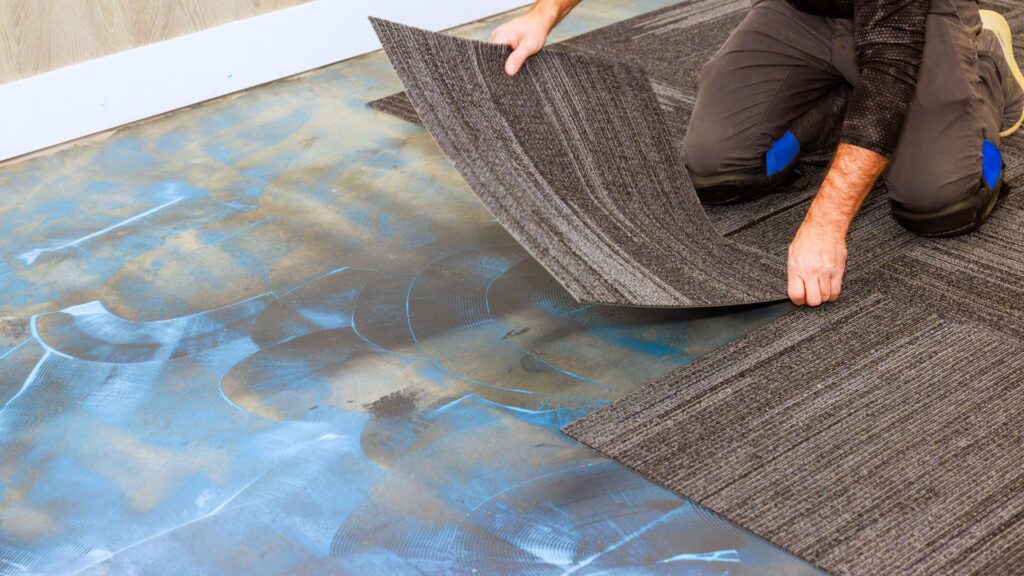
When most people think about flooring, they picture the surface they walk on. But underneath that beautiful hardwood, tile, or laminate plank is an unsung hero doing all the heavy lifting. That hidden layer is called the subfloor, and without it, your floor would literally fall apart.
Understanding what a subfloor is and why it matters can save you from costly mistakes, especially when planning a renovation or installing new flooring.
What Is a Subfloor?
The subfloor is the structural layer that rests on your floor joists and supports the finished flooring, furniture, appliances, and foot traffic. It provides a stable, rigid base that keeps the entire floor system secure.
A common misconception is that the subfloor and the floor are the same thing. But the difference between floor and subfloor is significant. The floor is what you see and walk on. The subfloor rests on top of the joists and sits beneath the finished flooring material, hidden but absolutely essential.
Types of Subfloor Materials
Not all subfloors are built the same. The type of subfloor used in your home depends on when it was built, its location, and what floor covering will be installed above it. Here are the most common options:
Plywood Subfloor
Plywood is the most common subfloor material used in residential construction. It is strong, stable, and widely available. Tongue-and-groove plywood is especially popular because the tongue-and-groove edges lock panels together, which creates a stiffer floor and reduces movement between sheets. Plywood subfloors hold up well under hardwood, tile, laminate, and engineered wood flooring.
OSB (Oriented Strand Board)
OSB, or oriented strand board, is made from compressed wood strands bonded together with resin. An OSB subfloor is slightly more affordable than plywood and has become increasingly common in modern construction. Plywood and OSB are both strong options, but OSB can be more vulnerable to moisture damage if not properly sealed. For most residential applications, using plywood or OSB sheets will give you solid, reliable results.
Concrete Slab
In many Dallas-area homes, especially those built on a slab foundation, the concrete slab itself acts as the subfloor. A concrete subfloor is extremely durable, but it comes with challenges.
Concrete subfloors can develop moisture issues over time, which may require a moisture barrier before any flooring materials are installed on top. Tile, luxury vinyl, and engineered wood flooring are especially well-suited for concrete floors.
Traditional Subflooring with Wood Planks
Older homes sometimes feature traditional subflooring made from diagonal wood planks laid across the joists. While this method has largely been replaced by plywood or OSB, it is still found in homes that have not undergone major renovation. If your home has this type of subfloor, it is worth having a professional assess its condition before installing new flooring.
Why the Subfloor Matters More Than You Think
A solid subfloor is essential to the performance of every flooring type above it. Here is why it deserves serious attention:
- Structural integrity. The subfloor supports the weight of the entire floor, including everything on top of it. A damaged subfloor can cause floors to sag, bounce, or crack.
- Moisture protection. Whether you are dealing with a basement, a slab, or wood-framed construction, moisture is always a concern. A compromised subflooring material can allow mold, mildew, and rot to spread upward into the floor covering above.
- Smooth installation surface. Various types of flooring, from laminate to tile to solid hardwood, require a flat, even surface to install correctly. Subfloor problems like warping or soft spots will telegraph directly through to the top of the floor.
- Reduces squeaky floors. Many cases of squeaky floors come from a subfloor that has shifted or separated from the floor joists. Construction adhesive and proper fastening during installation can prevent this issue.
What Goes Between the Subfloor and the Finished Floor?
In many flooring projects, there is a layer between the subfloor and the finished flooring material called underlayment. Underlayment serves several purposes depending on the flooring type: it can add cushion underfoot, reduce sound transmission, provide a moisture barrier, or smooth out minor surface imperfections.
For example, luxury vinyl flooring and laminate often use foam or cork underlayment. Tile typically goes over the cement board. Engineered wood flooring may be glued directly using adhesive or floated over the subfloor. Carpet uses padding as its own layer of underlayment.
Each flooring type has its own requirements, so making the right choice matters.
How to Know If Your Subfloor Needs Attention
Before starting any flooring project, make sure the subfloor is in good condition. Look for soft spots, visible warping, discoloration from water, or areas where the floor feels springy underfoot.
These are classic signs of subfloor issues that need to be resolved before new flooring goes down.
A new subfloor or targeted repairs can make a dramatic difference in the final result. If you skip this step, even the most expensive flooring options will underperform and wear out faster.
If you are planning a renovation and want the right subfloor paired with the best surface for your space, working with professional flooring contractors in Irving, TX, ensures the entire floor system is done right. Build Strong also offers expert kitchen, bathroom, and full-house remodeling services.
Conclusion
Your subfloor is the unsung foundation beneath every floor you walk on. Ignoring it can lead to squeaky floors, moisture damage, and costly repairs down the road. Whether you are replacing old flooring or starting a full remodel, understanding your subfloor is the first step toward a lasting result.
If you are ready to get started, reach out to Build Strong at +1-972-802-3107. Our team is here to help Dallas homeowners build smarter from the ground up.