
Can a Contractor Do a Home Inspection? What You Should Know First
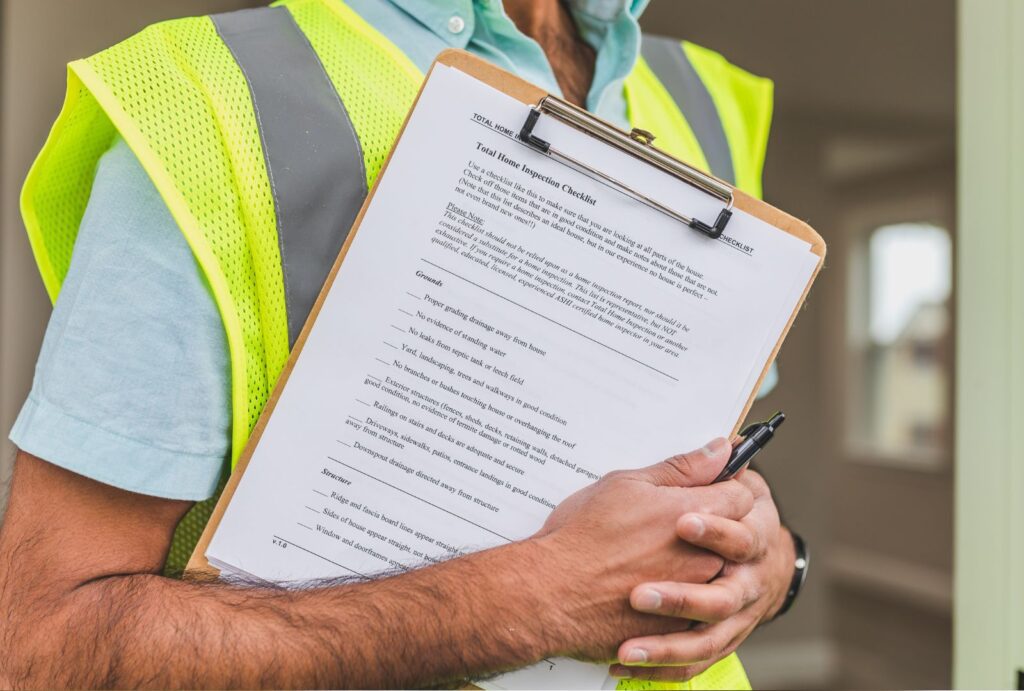
Buying or selling a home in Dallas, Texas is a huge milestone. Whether you’re a first-time home buyer, a homeowner preparing to list, or working with a realtor, there’s one universal truth: a home inspection is critically important.
But sometimes, confusion creeps in – especially when wondering, can a contractor do a home inspection? Let’s dive into that question and break down everything you need to know before relying on a contractor instead of a certified home inspector for your next inspection.
What Is a Home Inspection?
A home inspection is a visual evaluation of a home’s physical structure and systems – from roof to foundation. It’s typically completed during the buying or selling process so both parties understand the condition of the home.
A professional home inspector looks at the systems and components of the home, including:
- Roof
- HVAC (heating, ventilation, and air conditioning)
- Plumbing system
- Electrical panel
- Foundation and structural elements
- Major appliances
The home inspection report details findings, flags potential problems, and recommends repairs or renovations, if necessary. For buyers, this can impact the price, negotiation, or even whether they continue with the sale (depending on the inspection clause in the contract).
Contractor vs. Home Inspector: What’s the Difference?
A general contractor is someone who manages the construction or remodeling of homes and buildings. They often supervise subcontractors like electricians, plumbers, and roofers.
A home inspector, on the other hand, is trained to inspect a home objectively. They’re focused solely on evaluating the current condition of the property, not fixing it.
Key Differences:
Aspect | Contractor | Home Inspector
|
|---|---|---|
Primary Role | Construction & Renovation | Evaluation & Reporting |
Licensing | Varies, not always required in Texas | Texas requires home inspector licensing |
Focus | Building & Repairs | Identifying issues |
Can perform home inspections? | Only if licensed as a home inspector | Yes |
Objectivity | May have conflict of interest if offering repairs | Independent & unbiased |
In Texas, a contractor may be licensed as a home inspector, but simply being a contractor doesn’t automatically qualify them to perform inspection services.
So, Can a Contractor Do a Home Inspection in Dallas?
Here’s the simple answer: Yes, but only if they are also a licensed home inspector.
In Dallas, as part of the Texas Real Estate Commission (TREC)’s oversight, home inspectors must be licensed. That means a contractor could complete a home inspection, but only if they’ve gone through the home inspector licensing process and satisfy all licensing requirements.
What Are the Licensing Requirements in Texas?
To become a licensed home inspector in Texas, applicants must:
- Complete required education (194 hours of TREC-approved coursework)
- Pass the national and state licensing exam
- Follow a code of ethics
- Meet standards of practice
- Carry professional liability insurance
Just because someone has years of knowledge and expertise as a contractor does not exempt them from these rules. Without a license, even an experienced contractor cannot legally perform official home inspections in Dallas.
Why Some People Want a Contractor to Do the Inspection
You might be wondering, “Why even consider a contractor for a home inspection?”
Many homeowners and home buyers believe a contractor brings practical, hands-on experience to the table. Sometimes, their specific expertise in certain trades like electrical or plumbing is seen as a major perk, especially during older renovation projects.
It’s also fairly normal to bring a contractor along during a showing or right after an inspection to get estimates for repairs or renovations.
This makes sense when you’re:
- Planning a remodeling project post-purchase
- Budgeting for a full house remodel in Irving, TX
- Evaluating repair or replacement needs beyond what the inspector found
But those assessments should always come after the official home inspection by a certified home inspector – not instead of it.
Is It a Conflict of Interest?
Yes, it can be.
If a contractor inspects the property and later offers to complete the repairs, there’s a chance they could inflate problems or downplay others to get work. That’s a conflict of interest – one that could cost you money, time, and peace of mind.
That’s why Texas law separates home inspectors from contractors, even though many home inspectors have contractor backgrounds.
When Should You Involve a Contractor?
While they shouldn’t perform the actual inspection, there are smart times to involve a contractor:
- After the inspection report: Use it as a guide to get quotes for any needed repairs.
- During a renovation: If you plan on remodeling, a contractor look at potential upgrades could help.
- If specialized expertise is required: A general contractor can bring in trades like an electrician, plumber, or roofer to assess particular issues flagged by the home inspector.
So, yes – a contractor to a home inspection visit is helpful, but it cannot replace the role of a licensed inspector.
Why It Matters That Your Inspector Is Licensed
Choosing a licensed home inspector means:
- They follow a strict code of ethics
- They’re required to carry liability insurance
- They adhere to TREC’s standards of practice
- Their findings are considered valid for negotiation and legal protections
Even a well-meaning contractor without a license can mislead you, often unintentionally. They might miss crucial issues outside their trade or fail to deliver a compliant inspection report.
Remember, this report is often the only thing standing between you and costly surprises after closing. Make sure it’s done by a professional home inspector.
Red Flags to Watch For
If someone offers to do a home inspection but:
- Can’t show their home inspector license
- Offers to fix problems they haven’t formally inspected
- Hints at “finding more issues” for repair
- Glosses over major problems
…you may be exposing yourself to unnecessary liability, bad information, or even future legal issues.
Any inspection performed for the purpose of a real estate transaction in Texas must be done by a licensed home inspector – no exceptions.
What About Other Types of Inspectors?
Beyond home inspectors, there are other specialties involved in many home inspections:
- Pest inspector: For termite and insect evaluations
- Radon inspection: Especially important in certain areas (though rare in Dallas)
- Roof inspection: Might be done by a licensed roofer if concerns arise
- Structural engineer: Called in for major problems or foundation issues
The home inspector is like your generalist. From there, they might advise hiring niche professionals if they suspect issues outside their scope. Many inspectors keep a vetted referral list ready.
Final Thoughts: Hire the Right Person for the Job
In short, yes, a contractor may complete a home inspection, but only if they’re also licensed as a home inspector in Texas.
Otherwise, the inspection isn’t legally recognized, and you could throw off your whole real estate process.
Working with a trusted, certified home inspector gives you peace of mind, meets all legal licensing requirements, and ensures your report is objective and thorough. Afterward, bring in a contractor to look at a home for repairs or renovations based on the report’s findings.
Not sure where to start? Visit our page to see our experience with full house remodel in Irving, TX and how we work hand-in-hand with licensed professionals to help you at every stage of the journey.
If you’re ready to explore ideas or get a personalized estimate, give us a call at
+1-972-802-3107 or explore our wide range of services on our website. Let’s build something
remarkable—together.