What Is the Best Material for a Deck? Compare Top Options
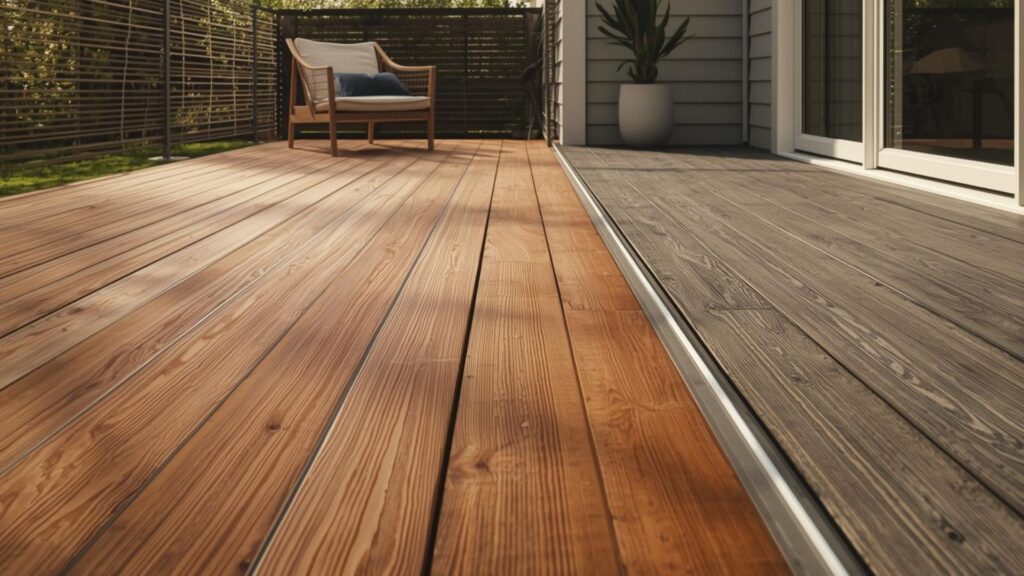
Building a new deck is an exciting home project, but let’s be honest, choosing the right deck material can get overwhelming quickly. You’re standing at a home improvement store, looking at rows of wood planks, composite boards, and maybe even aluminum panels, wondering what’s best for your budget, climate, and long-term happiness.
Let us help simplify it.
At Build Strong, we believe that the best deck material isn’t just about looks. It’s about durability, weather resistance, maintenance requirements, and how well your chosen decking suits your lifestyle right here in Dallas, TX. Let’s break down the most popular decking options and help you make an informed choice with confidence.
Types of Deck Materials to Consider
When building a deck, there are several primary materials to choose from. Each offers different advantages and fits different homeowner needs.
Composite Deck: A Popular, Low-Maintenance Option
Composite materials are made from a blend of recycled plastic and wood fibers. This type of decking has become a go-to for many homeowners looking for minimal maintenance and long-term performance.
Benefits of composite decking include:
- Low maintenance: No need for annual staining or sealing
- Doesn’t splinter, warp, or rot like wood
- Available in many colors and wood grain finishes
- Resistant to mold, moisture, and insects
Composite decking comes in a variety of brands, such as TimberTech and Fiberon. While it has a higher initial cost compared to wood, composite decking offers durability and low maintenance requirements that often pay off over time.
Advantages of Composite
- Made from recycled material
- Composite boards mimic the look of wood
- Composite decking offers years of use with proper installation
- Doesn’t need regular maintenance to preserve its appearance
Still, composite decking may get hot underfoot if left in the sun, and because of the plastic and wood composition, it might not feel as authentic as natural wood to some.
Wood Deck: Traditional Feel and Timeless Beauty
There’s a reason wood decks are still a favorite. The natural beauty and classic look of real wood is hard to beat. But not all wood is the same.
Let’s explore common wood types used for decking.
Pressure-Treated Wood: Budget-Friendly but Maintenance Heavy
This is the most common and budget-friendly decking material. Pressure-treated wood, usually pine, is infused with preservatives to protect it from insects and decay.
- Affordable and widely available
- Easy to cut and install
- Requires regular maintenance to preserve its appearance
Keep in mind:
- You’ll need to stain it regularly
- Prone to rot, warping, and splinters over time
- Treated with chromated copper arsenate, which requires proper screws and fasteners to avoid corrosion
PT wood is a great option for DIY projects, but it won’t give you the same longevity or aesthetic as other decking types.
Cedar and Redwood: Naturally Resistant and Beautiful
Both cedar and redwood are softwoods that are naturally resistant to insects and rotting.
- Rich colors and natural wood grain
- Less likely to warp than pressure-treated lumber
- Ages beautifully with or without stain
Their durability varies. Cedar, particularly from the Cedrus genus, may last 15–20 years with care. Redwood is slightly more durable, but both benefit from staining and sealing.
However, they’re more expensive than pressure-treated options and still require maintenance to preserve their appearance.
Ipe and Hardwood Options: Premium and Durable
If you’re prioritizing durability, you might consider hardwood like Ipe wood (from the Handroanthus genus).
- Extremely durable and dense
- Resists insects, rot, and even mold
- Lasts for decades with proper care
The downsides? It’s expensive, heavy, and difficult to work with. But if you’re dreaming of the best deck and don’t mind the investment, hardwoods like Ipe are worth exploring.
PVC Decking: The Ultimate in Weather Resistance
PVC decking is made entirely from polyvinyl chloride, meaning there’s no wood at all. It’s a type of synthetic decking designed for minimal maintenance.
Perks include:
- Fully resistant to moisture, insects, and mold
- Won’t rot, warp, or stain
- Offers good performance in Dallas’s hot climate
But note:
- It can look artificial despite attempts to mimic the look of natural wood
- Tends to cost more than composite or regular wood
- Can feel slippery when wet
Still, for homeowners seeking the most durable deck with low maintenance requirements, PVC or composite decking may be the better route.
Aluminum Decking: Uncommon But Ultra-Durable
Though not a popular decking material, aluminum decking deserves mention for its outstanding durability.
- Fireproof, insect-proof, and rust-resistant
- Excellent for areas exposed to a lot of water or direct sun
- Doesn’t crack, peel, or warp
It’s lightweight and strong, but doesn’t look like wood. It’s more industrial in appearance, so it suits modern homes better than rustic ones. Also, it’s one of the most expensive decking options.
Comparing Deck Material Options at a Glance
Material | Average Lifespan | Maintenance Level | Cost | Durability | Aesthetic
|
|---|---|---|---|---|---|
Pressure-Treated Wood | 10–15 years | High | Low | Moderate | Traditional |
Cedar | 15–20 years | Moderate | Moderate | Good | Natural beauty |
Redwood | 20–25 years | Moderate | Higher | Great | Rich, red tones |
Composite | 25–30 years | Low | Higher | Great | Looks like wood |
PVC | 30+ years | Very Low | High | Excellent | Clean & uniform |
Aluminum | 30+ years | Very Low | Very High | Excellent | Industrial look |
Ipe and Hardwoods | 40+ years | Moderate | Very High | Excellent | Elegant & exotic |
Your material choice depends on what matters most: cost, appearance, or long-term low maintenance. If you’re building a dream deck for Dallas weather, prioritize durability and sun resistance.
Additional Considerations Before You Choose
Deck Framing and Structure
No matter the deck material, you’ll need a solid frame. Most deck framing is done with pressure-treated lumber, as it holds up well against the elements and supports heavy loads, including outdoor flooring, railing, and stairs.
Railing and Accessories
Don’t overlook railing – the right railing complements your decking product and ensures safety.
Materials range from wood to composite to vinyl siding or aluminum.
Maintenance Requirements Over Time
Decking requires attention, even the low-maintenance kinds. Whether it’s a stain, cleaning, or inspection for wear and tear:
- A wooden deck needs regular maintenance to preserve its appearance
- Composite or PVC decks need the occasional wash to remove sand or barbecue grease
So, What Is the Best Deck Material?
It depends on your goals. Here’s a quick wrap-up, based on common homeowner questions in Dallas:
- Want the look of natural wood without the yearly upkeep? Go with composite decking.
- Working with a tighter budget? Pressure-treated wood is your friend, but be ready to stain it every couple of years.
- Need something that stands up to Dallas sunshine and storms? Consider PVC decking or hardwoods like Ipe.
- Love modern, clean style and top-tier durability? Aluminum decking is another option to explore.
Your ultimate decision should factor in long-term costs, climate, and how much maintenance you’re willing to take on.
Final Thoughts: Find Your Best Deck in Dallas
Choosing the best deck material is more than picking something that looks nice today. It’s about finding a decking solution that aligns with your lifestyle, expectations, and maintenance habits.
If you’re unsure which decking comes closest to your dream design, work with someone who knows the territory. At Build Strong, we’ve helped countless Dallas homeowners compare deck material options and land on the perfect fit.
Want extra protection? Explore our patio and deck covers in Irving, TX to keep your socks cool and your deck fresher, longer.
Whether you’re going for a wooden deck, a slick composite deck, or something in between, choose materials that fit your vision—and enjoy the outdoor space you’ve always wanted.