
Interior Paint Cracking: What Causes It and How to Fix It for Good
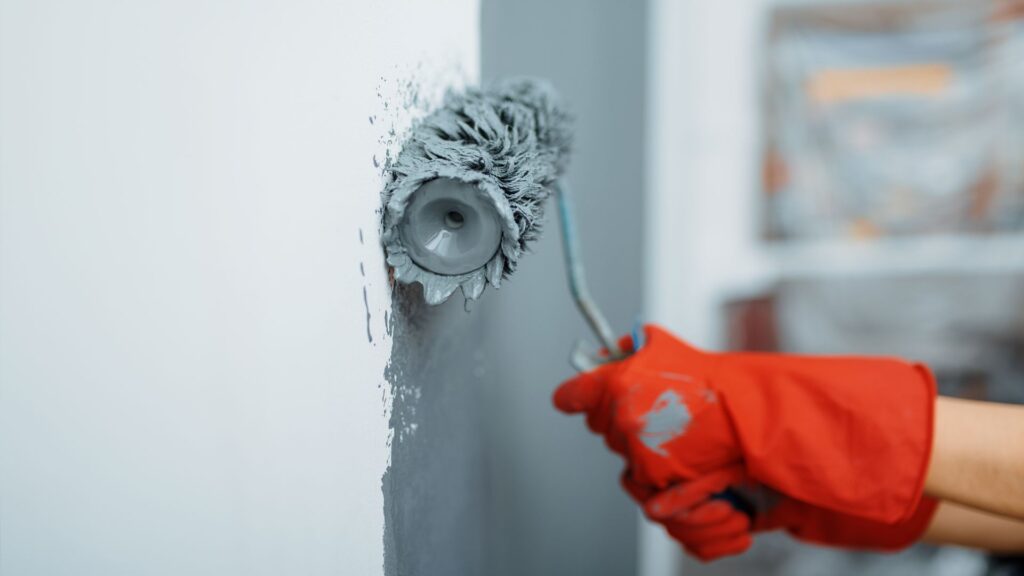
You just painted your walls. Everything looked smooth and fresh. Then weeks or months later, you notice a crack forming across the surface. Maybe the paint begins to flake or peel. It is frustrating.
Interior paint cracking is more common than most homeowners in Dallas, Texas realize. The good news is that it usually points to a fixable issue. The key is understanding why the crack formed in the first place and choosing the right repair approach so you do not repeat the same mistake.
Let’s break it down in simple terms and talk about how to fix cracked paint so the results last.
What Does Interior Paint Cracking Look Like?
Not all cracks are the same. The type of cracking tells you a lot about the root problem.
Sometimes the problem appears as hairline cracks that look like tiny fractures in the paint film. A single hairline crack might not look serious, but small cracks can spread if ignored.
Other times, the surface looks like reptile skin. That is called alligatoring. This type of cracking and flaking means the top coating has lost flexibility and proper paint adhesion.
You may also see mud cracking, where the paint splits in uneven patterns. Cracking on walls or ceilings can show up in straight lines, especially near seams in drywall or over plaster joints.
The way cracked paint looks matters because each type of cracking has different common causes.
The Most Common Causes of Paint Cracking
When we inspect homes across Dallas, we typically find a few repeat issues. Paint failure is rarely random.
Poor Surface Preparation
Poor surface preparation is one of the biggest factors behind paint cracking.
If dust, grease, or loose debris is left behind, the new coating cannot bond properly. When paint is applied over dirty surfaces before painting, adhesion suffers. Eventually, cracked paint appears.
Skipping the primer is another mistake. Primer is not just an extra step. It helps seal the surface and create proper paint adhesion between the wall and the top coat.
Applying Paint Too Thick or Too Soon
Paint can cause problems when it is rushed. If multiple layers of paint are applied without allowing each to dry correctly, the top layer can harden while the lower layer is still soft. That internal tension can cause cracking or flaking paint.
This is especially true with oil-based products over latex paint or the other way around. Old oil coatings under newer latex layers can create stress points in the paint film.
Temperature and Humidity Changes in Dallas Homes
In Dallas, temperature fluctuations and humidity changes are normal. Indoor humidity levels in kitchens, basements, and bathrooms can vary widely.
Walls and ceilings naturally expand and contract with temperature. Wood, drywall, masonry, and plaster react differently because they are different materials. This expansion and contraction, also called thermal expansion or expansion and contraction, can cause paint to crack wider over time.
When humidity levels rise and fall, paint that lacks flexibility is more likely to develop cracks over time. In more severe cases, the cracking may follow structural movement or settling.
Water Damage
Water is a major cause of flaking paint. Roof leaks, plumbing problems, or high indoor humidity can soften the coating and weaken paint adhesion.
Over time, moisture pushes the paint away from the surface, causing cracking and peeling.
Water damage should always be addressed before repainting, or the paint will fail again.
If the issue is connected to roof leaks, it may be worth having a qualified roofing contractor inspect the source before you repaint.
Poor Painting Technique
Poor painting habits also cause problems. Using the wrong brush, skipping primer, or failing to sand glossy surfaces limits adhesion.
Sometimes, paint cracking occurs simply because the wrong type of flexible paint was used for the surface.
Poor painting also includes ignoring the surfaces before painting. Skipping sanding or not allowing proper dry time can lead to cracking or flaking paint months later.
Interior vs. Exterior Factors That Affect Paint
Even though we are focused on interior paint, interior and exterior conditions are connected.
Exterior surfaces exposed to Dallas weather can introduce moisture into walls. Temperature changes outside affect indoor walls. Environmental conditions, humidity, and temperature shifts all play a role in how paint performs over time.
Paint on masonry and drywall may react differently to stress. A fracture in masonry can telegraph through to the interior coating.
How to Fix Cracked or Flaking Paint Properly
Quick fixes rarely last. Here is the right approach.
Step 1: Identify the Root Cause
Before you repaint, figure out why the paint began to crack. Look for:
- Water damage
- Structural movement
- Humidity changes
- Old oil-based paint under new layers
- Poor surface preparation
If foundation issues or major structural settling are involved, those need professional attention first.
Step 2: Remove Loose or Flaking Paint
Use a standard paint scraper or wire brush to remove all loose or flaking paint completely. Make sure to remove the loose material completely. Any remaining weak coating will cause the next paint layer to fail.
Be cautious in older homes. Sanding very old oil-based paint may release lead dust. Exposure to lead dust is a health risk, so consider professional help if you suspect old oil finishes.
Step 3: Sand and Repair
After scraping, sand the edges smooth. This helps the new coating blend evenly.
For drywall cracks, apply joint compound and reinforce larger cracks with mesh tape. Small cracks can often be repaired with spackling. If the crack is deeper than a quarter inch, investigate whether it indicates structural movement.
Allow repairs to dry fully before moving to the next step.
Step 4: Prime and Repaint
Prime the repaired areas to seal them. Primer improves paint adhesion and prevents uneven absorption.
Then apply paint in thin, even coats. Whether using acrylic paint or latex, follow manufacturer guidance. Sherwin-Williams and similar brands provide clear instructions about dry time and application.
Avoid heavy applications. Thick layers increase the risk of mud cracking.
When It Is More Than Just Paint
Sometimes what looks like a simple hairline issue is actually a fracture (geology)-style movement in the structure.
Older homes in Dallas may experience structural settling. If cracks reappear after multiple repair products and repaint attempts, it may signal foundation issues or deeper structural movement.
At that point, cosmetic repair is not enough.
Paint Problems During Remodeling Projects
During larger painting projects or full remodels, proper sequencing matters.
If you are working with an experienced interior remodeling contractor in Irving, TX, they will inspect walls or ceilings carefully before repainting.
Cracks may also show up during a full-house remodel. That is why many homeowners choose full-house remodel services in Irving, TX, to address hidden concerns behind the walls.
Bathrooms and kitchens are especially prone to humidity-related paint failure. Professional bathroom remodeling services and custom kitchen remodeling solutions often include moisture control upgrades to prevent future paint problems.
Conclusion
Interior paint cracking is not just cosmetic. It tells a story about adhesion, moisture, temperature, and structural stress. The key is not simply covering the crack but solving the root cause first.
If you are dealing with cracked paint, water damage, or recurring flaking paint in your Dallas home, Build Strong Construction and Remodeling can help diagnose the issue and fix it the right way. Contact Build Strong Construction and Remodeling today to schedule an inspection and get it fixed right the first time.