
Is The Homeowner Or Contractor Responsible For The Permit? Here’s Who Really Handles It and Why It Matters
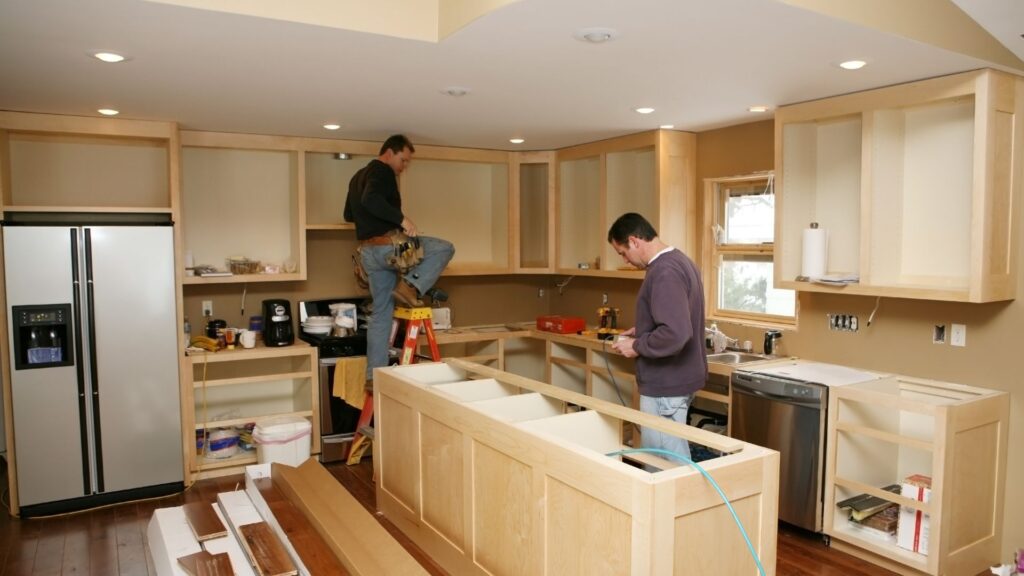
If you are planning a remodeling project in Dallas, one big question usually comes up fast: is the homeowner or contractor responsible for the permit?
It sounds simple, but the answer can affect your money, timeline, and even your legal liability. Permits are not just paperwork. They protect your property, confirm the work meets code, and help ensure the safety of your family.
Let’s clear up the confusion so you know exactly what to expect before any construction work begins.
What Is a Building Permit and Why Does It Matter?
A building permit is official approval from the local building department that allows a specific building project or repair to move forward. It confirms that the proposed work meets city regulations, construction standards, and safety codes.
In Dallas, a permit may be required for:
- Structural changes
- Roofing replacement
- Electrical or plumbing updates
- Room additions
- Major kitchen or bathroom installation
- Full interior remodeling
When a permit is issued, a city inspector will inspect the work at key stages. This helps ensure proper installation and regulatory compliance before completion.
Skipping the permit process can create a serious risk for a property owner. It can lead to fines, delays, difficulty selling the property, and being held liable if something fails.
So, Is the Homeowner or the Contractor Responsible for the Permit in Dallas?
Here is the honest answer: it depends on the agreement, but in most professional remodeling situations, the contractor is responsible for obtaining permits.
That said, the property owner ultimately carries responsibility for what happens on their property. Even if a contractor is responsible for pulling permits, the homeowner would still face problems if no permit were pulled.
In practical terms:
- A licensed contractor typically handles permit applications.
- The building permit is often pulled under the contractor’s license.
- The contractor oversees inspections and coordinates with the inspector.
- The property owner should verify that the permit was obtained.
In Dallas, most reputable contractors pull permits themselves. If someone tells you to pull a permit as the homeowner so they can avoid scrutiny, that is usually a red flag.
Why Most Contractors Pull Permits
There is a simple reason contractors pull permits – accountability.
When a licensed contractor pulls the permit, they are tying the job to:
- Their license
- Their insurance
- Their professional reputation
- Their compliance with state regulations
If a general contractor or builder refuses to pull the permit, you should ask why. Frequently, contractors state they want the homeowner to obtain the permit to avoid being responsible for pulling it themselves.
That shifts risk to you.
Whoever pulls the permit becomes the party directly connected to the city’s records. If problems arise, that person is often the first one contacted.
When a Homeowner Might Pull a Permit
There are situations where a homeowner might pull a permit personally.
For example:
- The property owner is doing the work themselves.
- There is no hired contractor involved.
- The project is small and permitted under homeowner-builder allowances.
However, even if you pull a permit, you become fully responsible for getting inspections scheduled and ensuring the work meets code. You are also responsible for meeting all permit requirements.
That includes handling documentation, paying the fee, and coordinating with the building department.
If you hire someone unlicensed to perform work while the permit is in your name, you may carry full legal liability if something goes wrong.
What Happens If No Permit Is Pulled?
This is where things can become costly.
If a permit is required but not obtained:
- The city can issue stop-work orders.
- Fines or penalties may apply.
- You may have to open walls, floors, or ceilings so an inspector can inspect the work.
- Insurance claims may be denied.
- Selling the property can become complicated.
Unpermitted structural or electrical construction projects pose safety concerns and legal risk. A city inspector can require corrections before certifying completion.
In other words, skipping permits is rarely worth the money saved upfront.
Who Is Responsible for Pulling Permits According to the Contract?
The clearest answer is found in your contract.
Before you hire any contractor, make sure your written contract clearly indicates:
- Who is responsible for obtaining permits
- Who pays the permit cost
- Who schedules inspections
- Who ensures compliance
If the contract says the contractor is responsible for obtaining permits, then the contractor is responsible for pulling and managing that process.
At Build Strong Construction & Remodeling, we believe making sure everything is compliant from day one protects both the homeowner and the builder.
Why Permit Responsibility Affects Liability
Permit responsibility is not just about paperwork. It affects liability and risk. If a contractor is responsible and pulls the permit under their license, they are formally connected to the work. That adds a layer of professional oversight.
If a property owner pulls permits while hiring someone else to perform work, the homeowner may assume more legal liability. If the work violates regulation or fails inspection, the property owner can be held liable.
Construction is an investment. Protecting that investment means choosing professionals who understand regulation and regulatory compliance.
What About Large Projects Like Full Remodels or Roofing?
For larger construction work, such as:
- Additions
- Structural modifications
- Residential roofing services
- Major interior remodels
It is standard practice that contractors pull permits.
Whether you are planning a new floor layout or exploring full house remodeling services in Irving, having a licensed contractor handle permit applications keeps everything organized and compliant.
The same applies to projects like:
- professional bathroom remodeling services
- custom kitchen remodeling solutions
- Working with an interior remodeling contractor in Irving, TX
- Roofing upgrades through residential roofing services
These projects typically involve structural, plumbing, or electrical updates that require inspection.
Having a gc or general contractor oversee the process ensures coordination between trades, the architect, if needed, and the city.
A Quick Note on License and State Oversight
While you may hear references to agencies like the CSLB in California, in Dallas, the key is verifying your contractor’s license and local registration as required.
Always check:
- Active license status
- Insurance coverage
- Experience with Dallas building department procedures
Proper licensing helps ensure proper compliance with state regulations and city requirements.
Hiring an unlicensed individual to save money often leads to more costly repairs later.
Red Flags to Watch For
If you are unsure whether permits are being handled correctly, watch for these warning signs:
- The contractor asks you to pull the permit without explanation.
- No permit number is provided.
- Work begins before approval.
- There is resistance to inspections.
- Vague answers about permit requirements.
Any of these could indicate problems. A professional contractor should be comfortable explaining why a permit is required and how it will be obtained.
What You Need to Know Before Starting Your Project
If you take away one thing, let it be this: do not assume the permit is someone else’s responsibility.
Before any repair, remodel, or building project begins in Dallas:
- Confirm whether a permit is required.
- Decide who is responsible for obtaining it.
- Put it clearly in writing.
- Verify approval before work starts.
Good contractors pull permits, schedule inspections, and ensure the project passes every required stage. That protects your property, your investment, and your peace of mind.
Conclusion
When asking if the homeowner or contractor is responsible for the permit, the safest answer in most Dallas remodeling situations is that the contractor should handle it. Still, the property owner must verify it is done. Permits protect your home, your money, and your legal standing.
Before starting any construction or remodeling work, clarify responsibility in writing and work with a licensed professional who understands local requirements. If you are planning a project, connect with Build Strong Construction & Remodeling to ensure your remodel is handled correctly from permit to completion.