
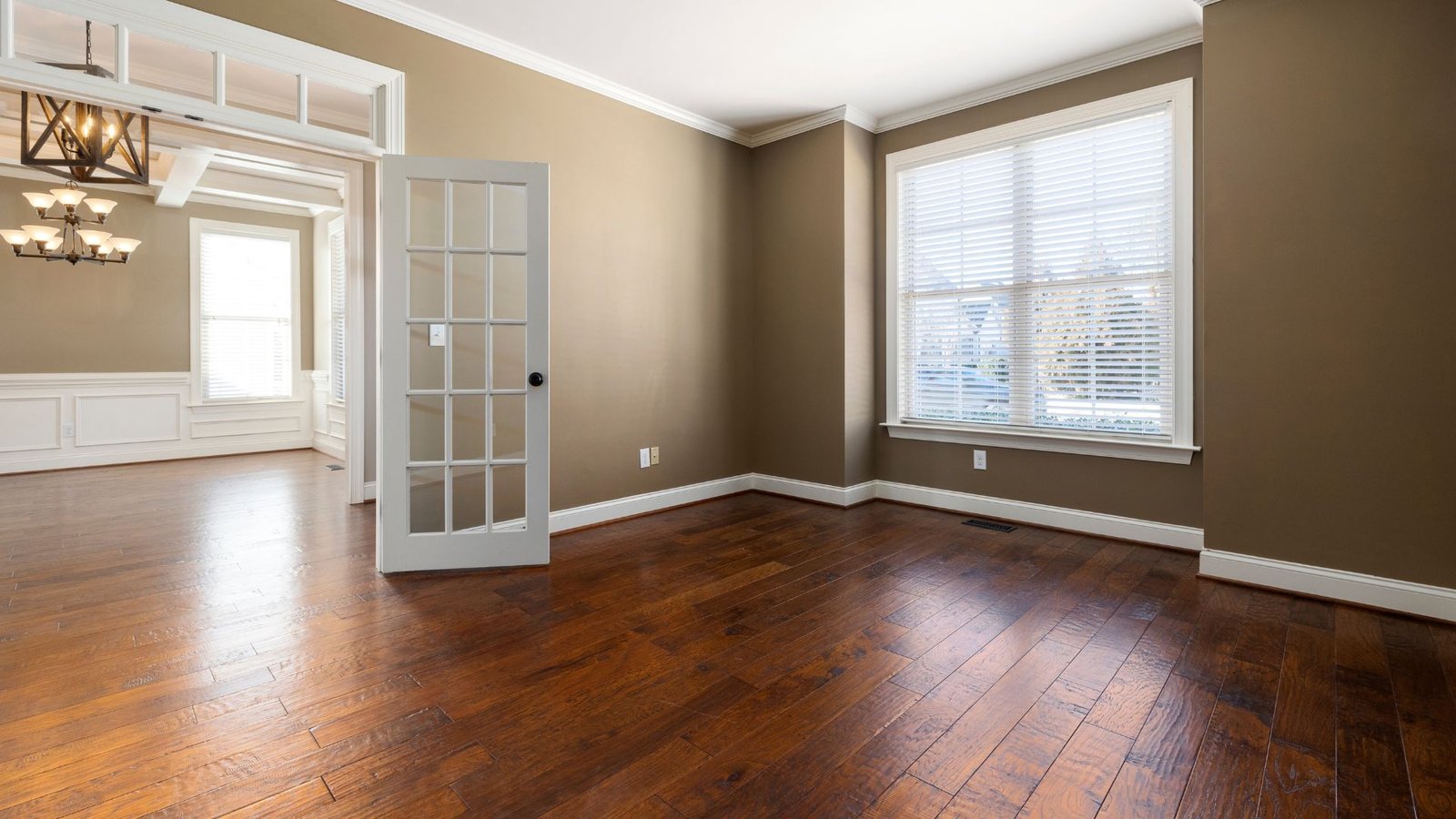
What Is a Floating Floor & How Does It Work?
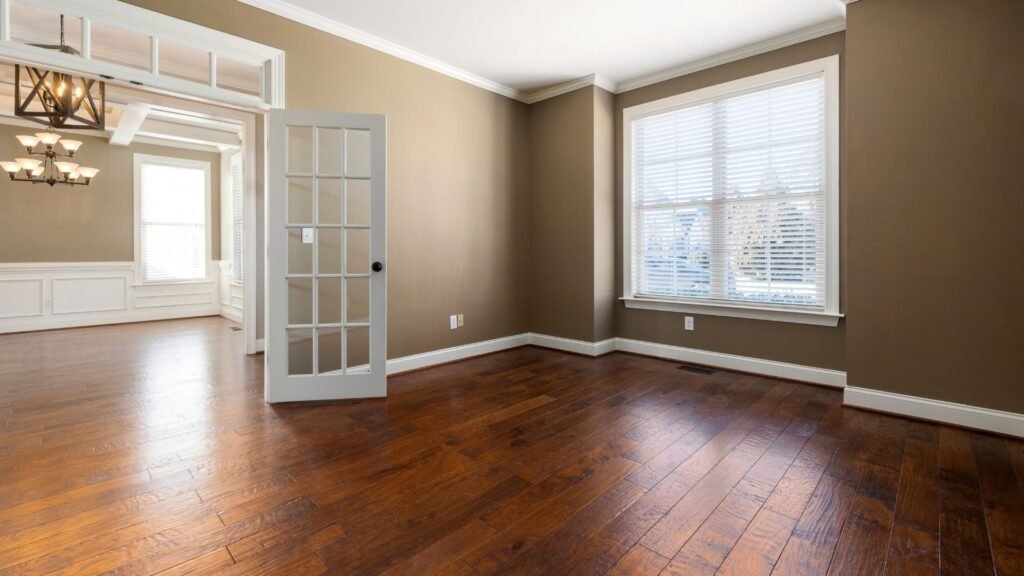
If you’ve been shopping for new flooring, you’ve probably heard the term “floating floor” thrown around. It sounds a little odd at first. Is it actually floating? Does it move when you walk on it? These are fair questions, and you’re not alone in wondering.
Let’s break it down in plain language so you can make a smarter decision for your home.
The Basic Idea Behind a Floating Floor
A floating floor is a type of flooring that is not attached directly to the subfloor beneath it. Instead of using nails, screws, or adhesive to bond it to the concrete or wood underneath, the planks or tiles lock together and rest freely on top of the subfloor.
The floor essentially “floats” as one connected surface. It holds itself in place through its own weight and the tension created by interlocking pieces. No glue, no nails – just smart construction.
Why Would Anyone Choose This Over Traditional Flooring?
Good question. Traditional flooring methods, like gluing down hardwood or nailing wood flooring strip by strip, require more labor and are much harder to reverse. A floating installation is faster, cleaner, and in many cases, easier to repair or replace later.
This approach also handles one of flooring’s biggest enemies – moisture. Wood and engineered wood naturally expand and contract as humidity levels change. A floating floor is designed to move slightly with those changes instead of buckling or cracking under pressure.
What Materials Can Be Used as Floating Floors?
This is where things get interesting. Floating installation is not limited to one type of material.
Laminate flooring is probably the most well-known floating option. Backed by organizations like the North American Laminate Flooring Association, laminate has become a go-to choice for homeowners who want the look of hardwood without the cost. Laminate planks click together with a tongue-and-groove system and sit on top of a thin underlayer.
Engineered wood is another popular choice. Unlike solid hardwood, engineered wood is built in layers, which makes it more stable and better suited to floating installation. It gives you the warmth and look of real wood flooring with added resilience.
Vinyl and luxury vinyl have exploded in popularity. These products – often made from polyvinyl chloride – are waterproof, durable, and come in plank or tile formats. They float beautifully over concrete, existing tile, or even sheet vinyl flooring in some cases.
Cork is a lesser-known but excellent floating option. Cork flooring can be installed as a floating floor over existing surfaces. Cork offers natural soundproofing and a cushioned feel underfoot.
Ceramic tile can also be installed as a floating floor in some configurations, though this is less common than the above options.
How Does It Actually Stay in Place?
The interlocking technology used in modern floating floors is genuinely impressive. The planks or tiles click into each other along their edges, forming a unified surface. The floor then expands and contracts as a whole unit rather than individual pieces pulling apart.
Around the perimeter of the room, installers leave a small gap between the floor and the wall. This gap – usually covered by baseboard or trim – gives the floor room to breathe with changes in humidity. Without this gap, the floor could buckle or warp over time.
A thin underlayment is typically placed between the subfloor and the floating surface. This layer helps with soundproofing, adds a small cushion, and protects against minor moisture from below.
What Are the Real Benefits?
- No adhesive required – The absence of glue means the floor can be taken up and reinstalled elsewhere if needed.
- Lower whole-life cost – Because repairs and replacements are easier, you often spend less over time.
- Faster installation – A professional can cover large areas quickly, reducing labor cost.
- Works over many surfaces – Floating floors can go over concrete, existing tile, and other stable subfloors without major prep work.
- DIY-friendly – Though professional results are always better, the method is more accessible for handy homeowners.
Are There Any Downsides?
Floating floors are not perfect for every situation. High-moisture environments like bathrooms or laundry rooms require careful product selection, since not all materials handle moisture equally well. A sprung floor design used in gyms or dance studios is a different type of floating system built for impact – not the same as what goes in your living room.
Some homeowners also notice a slight hollow sound when walking on floating laminate or vinyl compared to nailed-down hardwood. A quality underlayment goes a long way toward reducing that.
Frequently Asked Questions
Is a floating floor actually unstable?
No. When installed correctly, a floating floor feels solid underfoot. The interlocking system creates a unified surface that holds together well under normal foot traffic.
Can floating floors be used over radiant heat?
Many can, but you need to check the specific product. Engineered wood and certain vinyl options are designed to work with in-floor heating systems. Solid hardwood is generally not recommended for radiant heat setups.
How long does a floating floor last?
With proper care, laminate flooring and engineered wood floating floors can last 15 to 25 years. Vinyl options vary but often have similar lifespans depending on wear layer thickness.
Is a Floating Floor Right for Your Home?
A floating floor is one of the smartest, most flexible flooring choices available today. Whether you are drawn to the look of hardwood, the durability of vinyl, or the comfort of cork, floating installation gives you real options without tearing everything up. If you are ready to explore what flooring could do for your Dallas home, our flooring contractor service team at Build Strong is here to help you find the right fit. Give us a call at +1-972-802-3107 to get started.