If you’ve been scrolling through real estate news or talking to neighbors about rental income, chances are you’ve heard the term “ADU” thrown around. But what exactly is it, and why is everyone suddenly talking about it?
Let us break it down in plain terms.
What Is an ADU, Exactly?
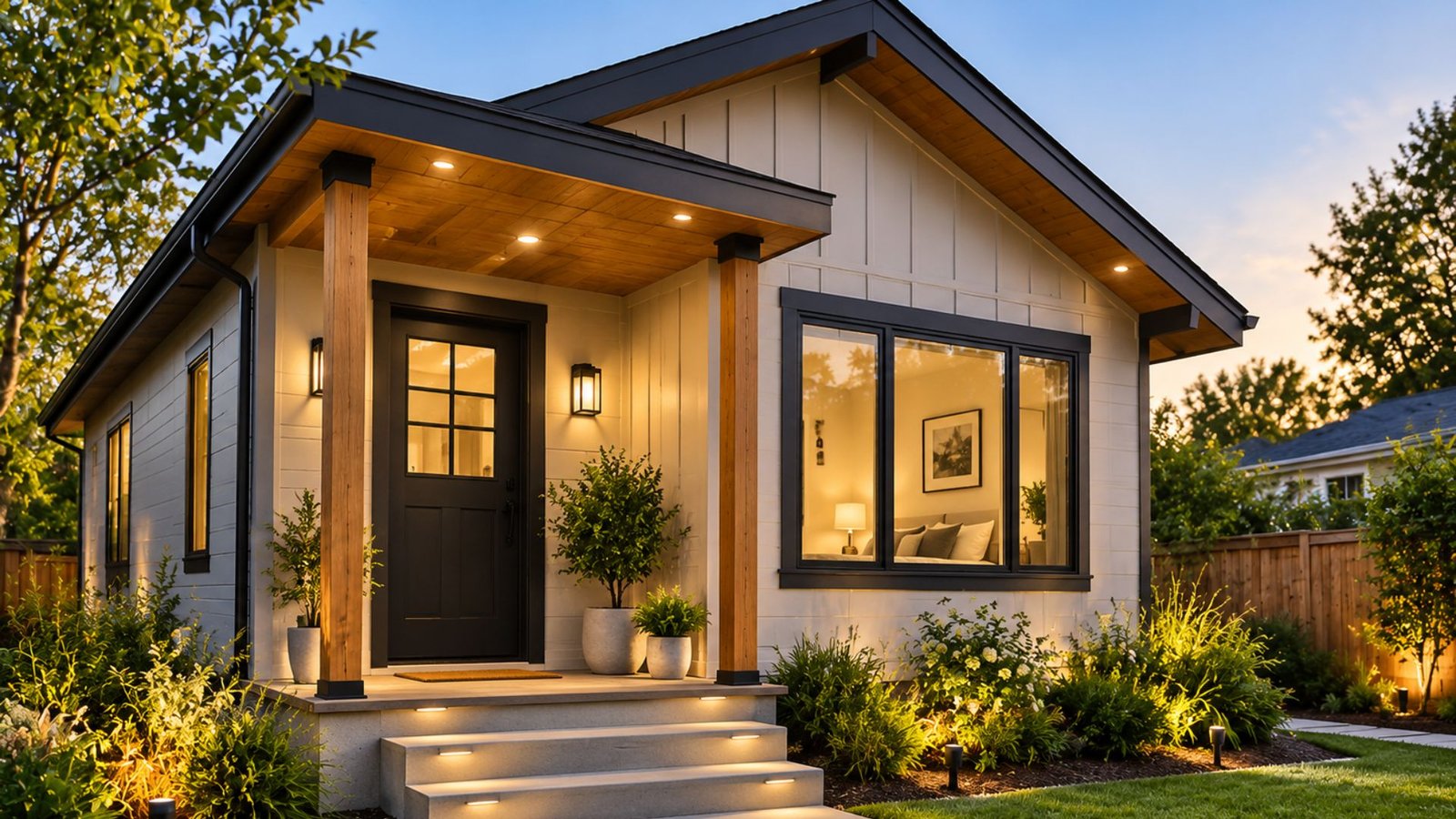
An ADU, or accessory dwelling unit, is a secondary housing unit built on the same property as a primary single-family detached home. It functions as a fully independent living space, complete with its own entrance, kitchen, bathroom, and sleeping area.
Think of it as a small apartment, cottage, or studio that shares your lot but operates on its own. Some people call it a granny flat, an in-law suite, a secondary suite, or even a backyard home. Whatever the name, the concept is the same: a separate, self-contained dwelling on residential property.
ADUs come in several forms. A detached ADU sits completely separate from the main house, often in the backyard. An attached ADU shares a wall with the primary home. A garage conversion transforms an existing residential garage into livable space. And a JADU, or junior accessory dwelling unit, is typically carved out of interior space within the home itself, like a basement or a large bedroom suite.
Why Are ADUs Gaining So Much Attention?
The rise of the tiny-house movement, growing concerns around affordable housing, and skyrocketing property prices have all pushed ADUs into the spotlight. More homeowners are realizing that their backyard, garage, or unused basement holds serious financial potential.
Cities across the country have been updating zoning laws and building codes to make it easier for homeowners to add these units. States like California have led the charge by dramatically loosening restrictions and waiving certain fees, including impact fees, that previously made construction cost-prohibitive for average homeowners.
Texas, including Dallas, has also seen growing interest in ADUs. Local zoning rules vary by city and municipality, so it is always worth checking what your specific area allows before you start planning.
What Can You Do With an ADU?
This is where things get genuinely exciting. The flexibility of an ADU is one of its biggest selling points.
- Rental income is the most common motivation. Renting out an ADU can help offset your mortgage, generate steady monthly income, or even cover a significant portion of your living costs. For homeowners in Dallas who are watching property taxes rise year after year, that extra income stream can be a real financial cushion.
- Multi-generational living is another major reason families choose to build. You can house aging parents nearby without giving up their independence, or provide young adult children with their own space while keeping the family close. Organizations like the New York State Office for People With Developmental Disabilities have even highlighted ADUs as a practical housing solution for adults with disabilities, since they allow residents to live near caregivers without sharing a home.
- Home office or studio space is increasingly popular. Rather than converting a bedroom, a detached ADU gives you a true separation between work and home life.
- Infill development is a broader urban planning benefit. By adding housing units to existing lots, ADUs help cities grow in a smarter, more efficient way without requiring new infrastructure or sprawling land development.
How Much Does It Cost to Build an ADU in Dallas?
The honest answer is: it depends. Costs vary widely based on the type of ADU, the size, the design, and the materials used.
A basic garage conversion tends to be the most budget-friendly option since the structure already exists. A full detached ADU built from the ground up will naturally cost more. Some homeowners opt for a prefabricated building or modular unit to reduce construction time and keep costs down.
For a rough idea, smaller ADU projects in Texas can start in the tens of thousands, while larger, custom-built units can reach six figures depending on finishes, utility connections, and site preparation.
It is also worth factoring in permit fees, impact fees (if applicable in your city), utility hookup costs, and any changes to your home insurance policy. Adding a separate dwelling to your property will almost certainly affect your coverage needs, so a conversation with your insurance provider should be part of your early planning process.
What You Need to Know About Zoning and Building Codes
Before breaking ground, understanding local law is non-negotiable. Zoning regulations determine whether an ADU is even permitted on your lot, and building codes govern how it must be constructed.
In Dallas, residential zoning classifications can affect setback requirements, maximum square footage, height limits, and whether the unit can be rented to non-family members. These rules exist to protect neighborhoods, manage infrastructure load, and ensure safe construction practices.
The good news is that Texas has generally been moving in a more permissive direction when it comes to ADU policy. However, navigating these regulations without professional guidance can lead to costly mistakes. Unpermitted construction creates serious problems when it comes time to sell or refinance your property.
Working with an experienced construction team that understands local regulations is one of the best investments you can make before a single nail is driven.
How an ADU Increases Your Property Value
This is the part homeowners are most curious about, and for good reason.
Adding a livable, rentable housing unit to your property increases its overall square footage and income-generating potential. Both of those factors directly influence appraised value and buyer appeal. In competitive real estate markets, a well-designed ADU can be a significant differentiator.
From a mortgage standpoint, some lenders will factor projected ADU rental income into your qualifying numbers, which can open doors for homeowners who want to buy or refinance. The investment case for building an ADU has become much stronger as housing demand in Dallas continues to grow.
The key is quality. A well-built, thoughtfully designed ADU adds real value. A poorly constructed one can create liability, code violations, and headaches that eat into any financial gains. Design matters just as much as construction.
What Makes a Good ADU Design?
A good ADU design maximizes the available space without feeling cramped. It should function comfortably as a standalone home, with smart storage solutions, efficient layouts, and durable finishes that can hold up to tenant use if you plan to rent.
Natural light, ventilation, and privacy from the main house are all important design considerations. If the unit feels like an afterthought, it will be harder to rent and will add less value to your property.
Matching or complementing the architectural style of your primary home also matters. An ADU that looks like it belongs on your property will always be more appealing than one that sticks out awkwardly.
Frequently Asked Questions
Are ADUs legal in Dallas, Texas?
Yes, ADUs are generally permitted in Dallas, though specific rules vary depending on your zoning district, lot size, and the type of unit you want to build. Always verify with the City of Dallas before starting any project.
Can I rent out my ADU?
In most cases, yes. Renting is one of the primary reasons homeowners build ADUs. However, some zoning designations may restrict short-term rentals, so check local ordinances before advertising on rental platforms.
Does building an ADU require permits?
Absolutely. Any new construction or significant conversion project requires proper permits. Skipping this step creates legal and financial risks that far outweigh any short-term savings.
How long does it take to build an ADU?
Timelines vary based on the type of ADU, permit processing times, and construction complexity. A prefabricated unit can be installed faster than a custom-built detached structure. Plan for several months from design to completion in most cases.
Will my property taxes increase after building an ADU?
Likely yes, since your property’s assessed value will increase. However, rental income from the unit typically offsets this cost over time.
Is an ADU Right for Your Property?
An ADU is one of the smartest ways to unlock more value from property you already own. Whether your goal is rental income, multi-generational living, or long-term investment, the right ADU starts with the right team. Build Strong Construction and Remodeling has the experience to bring your vision to life with craftsmanship that Dallas homeowners trust.
Ready to explore your options? Learn more about our Full House Remodel Service or call us at +1-972-802-3107 to start the conversation.