
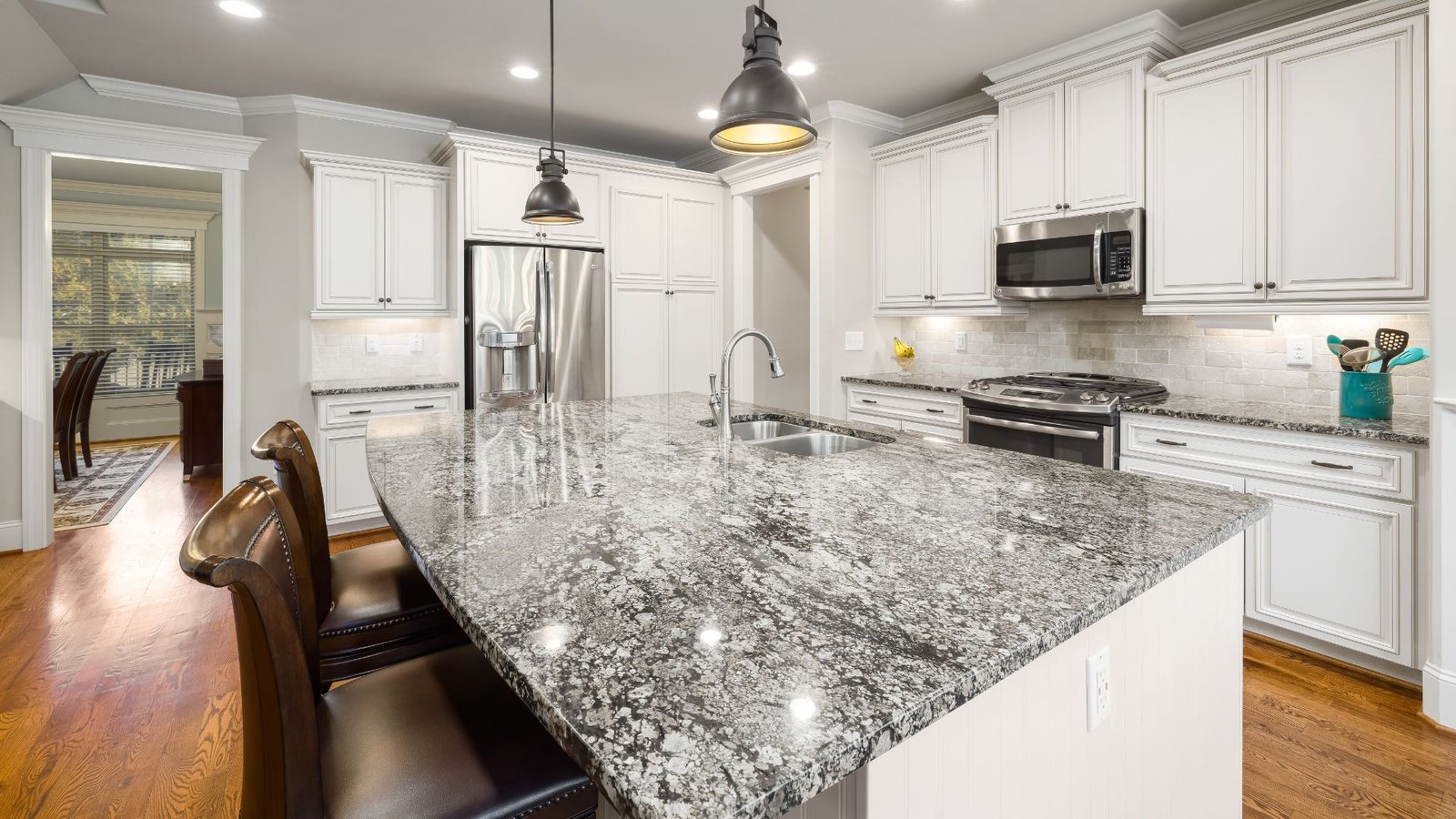
So you’ve decided it’s time to finally do something about that outdated kitchen. Maybe the cabinetry is falling apart, the countertop has seen better days, or you’re just tired of cooking around a layout that never made sense. Whatever the reason, one of the first questions homeowners ask is: how long is this actually going to take?
The honest answer is: it depends. But let’s break that down into something actually useful.
The Short Answer: Weeks, Not Days
A standard kitchen renovation doesn’t happen over a weekend. For most homes, a mid-range remodel takes anywhere from 6 to 12 weeks from the moment demolition begins. Larger or more complex projects can stretch to 4 or 5 months, especially when structural changes, custom cabinetry, or gas line work are involved.
That timeline doesn’t even include the planning phase, which can add another 2 to 6 weeks on the front end.
What Happens Before Construction Even Starts
This is the phase most homeowners underestimate. Before a single wall comes down or a refrigerator gets moved, there’s a significant amount of design work, material sourcing, and permit coordination that needs to happen.
Your contractor will work with you on layout decisions, finishes, and appliance placement. Permits for electrical wiring, plumbing, and gas work are often required, and depending on your local municipality, those approvals can take a week or two on their own.
Choosing materials like quartz countertops or custom wood cabinetry also affects timing. Some items have lead times of 3 to 6 weeks, meaning they need to be ordered before demolition even begins.
Week-by-Week: How a Kitchen Remodel Typically Unfolds
Weeks 1-2: Demolition and Rough Work
This is when things get loud and messy. Demolition clears out the old cabinetry, flooring, and appliances – including the stove, refrigerator, and pantry units. Once the space is gutted, contractors begin rough-in work for plumbing, electrical wiring, and gas lines.
Drywall repairs often follow once the mechanical work passes inspection. This phase moves quickly, but it has to be done right before anything else can move forward.
Weeks 3-5: Installations Begin
Cabinetry installation typically kicks off here. This is one of the more time-consuming parts of the process because precision matters – cabinets set the foundation for everything else, including your countertop layout.
Flooring is also installed during this window, whether that’s tile, hardwood, or engineered wood. If you’re going with tile, factor in extra time for grout to cure properly before the space gets heavy use.
Weeks 6-8: Countertops, Appliances, and Finishing
Once cabinetry is secured and flooring is in, countertop templating happens. If you’ve chosen quartz, fabrication and installation typically take 1 to 2 weeks after templating.
Appliances like the stove and refrigerator go in during this phase as well. Finish plumbing and electrical connections are completed, followed by backsplash tile work, trim, and touch-up painting.
Weeks 9-12: Final Inspections and Punch List
The final stretch involves inspections for plumbing and electrical, minor corrections, hardware installation, and a thorough walkthrough with your contractor. A good construction team won’t hand over the space until everything meets both code and your expectations.
What Can Slow Things Down
Delays happen on almost every project. Here’s what typically causes them:
- Material backorders – Quartz slabs, custom wood cabinetry, or specialty tile can have long lead times if not ordered early enough.
- Permit delays – Electrical wiring and gas approvals from the city can take longer than expected.
- Unforeseen issues – Once demolition reveals what’s behind the walls, hidden plumbing problems or outdated electrical wiring may require additional work.
- Change orders – Changing your countertop choice or cabinetry style mid-project adds both time and cost.
One thing that significantly impacts timelines is experience. Poor planning is one of the main reasons kitchen renovations run over schedule. Hiring a contractor who has a structured process from day one makes a real difference.
Do It Yourself vs. Hiring a Professional
Some homeowners consider a do-it-yourself approach to save money. For smaller tasks like painting or hardware swaps, that works fine. But for anything involving plumbing, electrical wiring, gas connections, or structural changes, professional work isn’t just recommended – it’s required by code in most jurisdictions.
A do-it-yourself kitchen remodel also tends to take two to three times longer than a professional one, simply because most homeowners can’t dedicate full days to the project.
How Build Strong Approaches Kitchen Timelines
At Build Strong Construction and Remodeling, our kitchen remodeling service is built around a clear project timeline that’s communicated to homeowners from day one. We handle design coordination, material procurement, permitting, and every phase of construction under one roof – so nothing falls through the cracks.
We’ve worked on everything from compact kitchen refreshes to full gut renovations across Dallas, and we know that realistic scheduling is what keeps projects on track and stress low.
Plan Your Kitchen Remodel Timeline
A kitchen remodel typically takes 6 to 12 weeks once construction starts, but the full process – from design through final inspection – is closer to 3 to 5 months. Understanding each phase helps you plan around it without frustration. If you’re ready to get a realistic timeline for your specific project, explore our kitchen remodeling service or call us at +1-972-802-3107 to schedule a consultation with our team.