
Hardscape vs Softscape: Choose the Right Elements for Your Yard
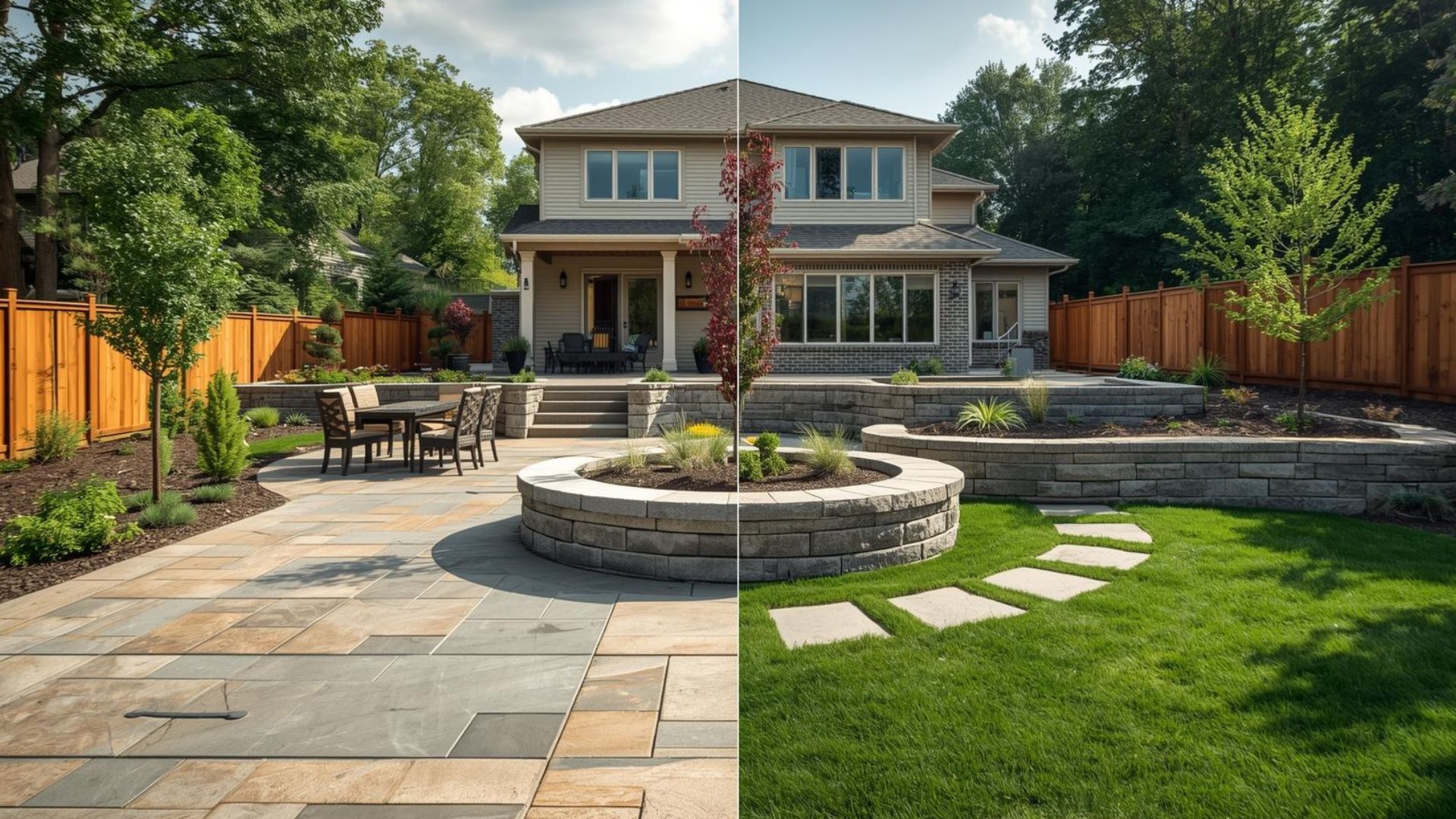
Creating a beautiful landscape isn’t just about planting a few flowers and calling it a day. It’s about understanding how different elements work together to form a well-designed outdoor space that reflects your style and meets your practical needs. If you’ve heard the terms “hardscape” and “softscape” and wondered what’s the difference, you’re not alone.
Many homeowners are confused by these landscape design components, but once you know the difference between hardscapes and softscapes, creating a cohesive and inviting yard becomes much simpler.
What Is Hardscape?
Hardscape refers to the non-living components of your landscape. These are the inanimate elements that bring structure, functionality, and long-lasting beauty to your yard. Hardscaping plays a crucial role in shaping how you use and move through your outdoor space.
Common Hardscape Elements:
- Patios made from concrete, brick, or natural stone
- Walkways and paths, often designed with permeable paving or pavers
- Driveways that add curb appeal and durability
- Retaining walls and stone walls for erosion control and aesthetics
- Gazebos, pergolas, and fire pits for outdoor living and entertaining
In short, hardscape materials bring form to your garden or overall landscape. Whether it’s a functional paver driveway or a decorative rock wall, hardscape elements provide enduring solutions that hold up year to year.
What Is Softscape?
Softscape includes all the living elements in your yard. These are the dynamic parts of your landscape that change with the seasons and grow over time.
Examples of Softscape Elements:
- Trees, shrubs, and flowering plants
- Groundcovers like Poaceae, leaf plants, and vines
- Annuals and perennials
- Grasses like a lush green lawn
- Mulch used to retain moisture and prevent erosion
Softscaping enhances the liveliness and ambiance of your yard. It’s flexible and can be changed at any time, whether you’re creating a softscape with new plant varieties, or simply adding seasonal color with flowers or shrubs.
Hardscape vs Softscape: What’s the Difference?
This is one of the most common questions in landscape design – and for good reason. While both are essential, understanding their roles helps you achieve the look and function you want.
Feature | Hardscape | Softscape
|
|---|---|---|
Definition | Non-living/inanimate elements | Living elements |
Functionality | Structure, durability, navigation | Beauty, change, and natural ambiance |
Materials | Concrete, paver, brick, stone | Trees, shrubs, soil, mulch, flowers |
Maintenance | Typically low-maintenance | Requires constant care & seasonal change |
Flexibility | Static, designed for permanence | Dynamic, can evolve with time |
A well-designed landscape achieves balance between the two. Too much hardscape can make your outdoor space feel sterile. Relying solely on softscape may result in muddy areas, erosion, or disorder during seasonal changes.
How Hardscape and Softscape Work Together
In great landscape design, hardscape and softscape elements are integrated to complement each other. The linear and symmetrical aspects of the landscaping often come from hardscaping, while softscape delivers texture and color.
Here’s how to combine them effectively:
- Use pavers or concrete to form bordered walkways that lead to flower beds.
- Install retaining walls that double as planters for shrubs or perennials.
- Surround your patio with climbing vines or groundcover for a lush, relaxed atmosphere.
- Position a water feature like a small fountain near decorative grasses or colorful blooms.
This thoughtful blending of hardscape and softscape elements to create a unified design is what gives your outdoor living areas that polished, magazine-worthy look.
Choosing the Right Elements to Create Your Beautiful Landscape
A well-designed landscape requires careful planning. The good news? Whether you favor a formal design with structured lines, or a naturalistic design that mimics nature, you can use both hardscape and softscape to create the style you envision.
How to Get Started with Your Landscape Design:
- Visualize Your Lifestyle– Do you love entertaining outdoors? Emphasize patios, fire pits, and outdoor living zones. Prefer quiet reading nooks? Think shaded corners framed by soft flowering shrubs.
- Consider Maintenance – Hardscape is generally low-maintenance, while softscape needs more attention – from fertilizing to tasks like mowing. Choose plant varieties that require less upkeep if you want to spend more time relaxing.
- Evaluate Drainage and Environment – Hardscape elements like a paver driveway or walkway help manage water runoff and provide smoother navigation. Meanwhile, softscape can absorb surface runoff and attract wildlife that enrich your space.
- Integrate for Comfort and Appeal – Use both elements to create inviting zones. A gazebo or pergola as a focal point surrounded by annual plants or evergreen softscapes offers both shade and color for all seasons.
By working with professionals who understand the integrated elements of hardscaping and softscaping, you’ll achieve a functional and relaxing and inviting outdoor design that flows naturally.
Hardscaping and Softscaping Tips to Keep in Mind
- Ensure consistent use of material choices throughout the layout for visual harmony.
- Use raised-bed gardening to add layers and structure using both plant life and retaining walls.
- Choose permeable paving for environment-friendly walkways that reduce runoff.
- Maintain balance and order with alternating hardscape and softscape zones.
- Think about different designs for your garden, especially in different areas of your yard like the backyard vs. front yard.
Talk to Experienced Landscape Designers
Planning your dream yard isn’t just about what looks good today. It’s about creating an entire outdoor lifestyle that evolves with your needs and the seasons.
Whether you’re dreaming of a stone walkway leading to a cozy patio, or a vibrant garden with layers of softscape elements, the key is to balance durability with life.
For expert help, consider working with experienced hardscape contractors in Irving, TX to make sure your vision is executed beautifully and professionally.
Final Thoughts: Know the Difference, Create the Balance
Understanding the differences between the two – hardscape vs softscape – is the cornerstone of any successful landscaping project. Knowing how to combine inanimate and living elements with purpose lets you create an overall design that not only looks great but functions well throughout the years.
Your entire outdoor experience depends on this balance – one that provides curb appeal, supports the natural environment, and boosts property value.
By thoughtfully blending hardscape and softscape elements, your yard can become a sanctuary that delivers beauty, relaxation, and utility in equal measure. Start by visualizing what you love – then build strong from there. Reach out today.