
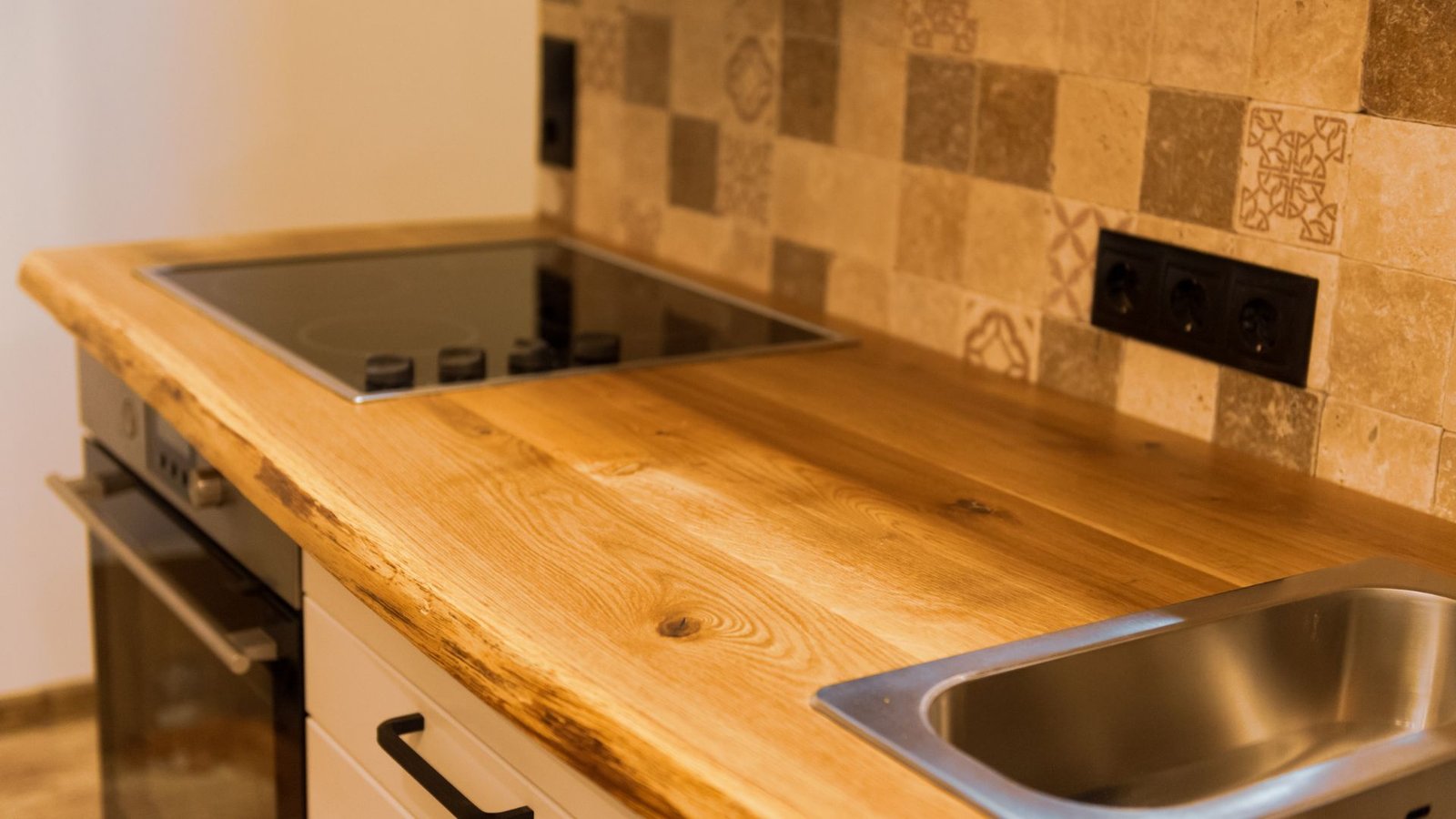
There is something genuinely beautiful about walking into a kitchen and seeing a butcher block countertop. The warm wood grain, the natural texture, the way it makes a space feel lived-in and intentional – it is hard not to be drawn to it.
But before you commit, you need to know what you are actually signing up for. Butcher block is not the right fit for every kitchen, and understanding both sides of the equation will save you from a decision you will regret six months later.
What Exactly Is a Butcher Block Countertop?
A butcher block countertop is made from thick strips of wood that are glued together, usually end-grain or edge-grain style, to create a solid surface. It gets its name from the heavy-duty cutting boards used in professional butcher shops – and for good reason. The material is tough, functional, and built to handle real kitchen work.
Common wood species used include maple, walnut, cherry, and oak. Each has its own character, color, and level of hardness. Maple tends to be the most popular for its durability and lighter tone, while walnut offers a richer, darker look that pairs beautifully with certain cabinetry styles.
The Real Pros of Butcher Block Countertops
It Doubles as a Cutting Board
One of the most practical advantages of butcher block is that your entire countertop becomes a functional cutting board. You can chop vegetables, slice bread, and prep meals without pulling out a separate board every time. This is a genuine convenience that stone surfaces like granite or quartz simply cannot offer.
It Is Warmer and More Forgiving
If you have ever stood at a granite countertop for a long stretch of time, you know how cold and unforgiving the surface feels. Wood feels warmer and more forgiving to the touch. It is also gentler on dishes – a dropped glass has a better chance of surviving on wood than on stone.
You Can Sand Out the Damage
This is a big one. When butcher block gets scratched, gouged, or stained, you can actually fix it. A little sandpaper and some fresh oil can help your countertop look almost new again. Granite and quartz do not give you that option – once they chip or stain, the damage is often permanent or expensive to repair.
It Adds Character Over Time
Butcher block develops a patina as it ages. Every knife mark and every scratch tells a story. For homeowners who love that lived-in, rustic aesthetic, this aging process is part of the appeal rather than a downside.
The Cost Is Often Lower
Compared to premium granite or quartz, butcher block countertops can be a more budget-friendly option, especially if you are working with a tighter kitchen remodeling budget. You still get a high-end look without paying high-end stone prices across every surface.
The Real Cons of Butcher Block Countertops
Moisture Is Your Biggest Enemy
Wood and water are not friends. Without proper waterproofing and consistent maintenance, moisture can seep into the grain and cause warping, cracking, and even mold growth beneath the surface. The area around your sink is particularly vulnerable and requires extra attention.
It Requires Ongoing Maintenance
Unlike quartz, butcher block does not let you install it and forget about it. You need to oil the surface regularly – some experts recommend doing this monthly during the first year. Protective finishes can create a hard, protective coat that helps, but the upkeep is real. If you are not someone who enjoys maintenance routines, this could become a frustration.
Bacteria Can Be a Concern
There is some debate in the food safety world about wood surfaces and bacteria. An unsealed or poorly maintained butcher block can harbor bacteria in its cuts and cracks, especially around raw meat prep areas. Proper sealing and regular cleaning are non-negotiable if food safety matters to you – and it should.
It Does Not Hold Up Well to Heat
Direct heat from a hot pan placed on a wood surface can scorch or discolor it quickly. Unlike stone countertops, butcher block requires trivets and hot pads as a consistent habit, not just a good idea.
It Can Scratch and Dent Visibly
Yes, you can sand them out. But that does mean accepting a countertop that shows wear more openly than granite or other uniform surfaces. If you want something pristine at all times, wood may test your patience.
Is Butcher Block Right for Your Kitchen?
Butcher block tends to work best in kitchens where the homeowner wants warmth, character, and functionality over a high-gloss, zero-maintenance aesthetic. It pairs especially well with painted cabinetry, farmhouse-style designs, and spaces that lean into a natural, organic look.
It is worth considering a hybrid approach – using butcher block on an island or prep zone while pairing it with quartz or granite on the perimeter countertops. This gives you the beauty and function of wood where it matters most, without overcommitting to the maintenance demands.
The Bottom Line on Butcher Block Countertops
Butcher block countertops offer genuine warmth, real practicality, and a character that stone simply cannot replicate. But they ask something in return – consistent care, smart waterproofing habits, and a tolerance for natural wear. If you are planning a kitchen remodel and want expert guidance on materials, layout, and what actually holds up in daily life, our kitchen remodeling service is a great place to start. Call us at +1-972-802-3107 to talk through your options.